Odd Switch Short VI: Co-Gain Magnetic Paragraph Axis
Whenever any content creator releases something in pairs, the audience should always assume there’s some sort of deeper thematic connection between the two parts. While the least astute among us will have immediately jumped at that sentence to point out the connection between this and Odd Switch Short V being posted on the exact same day is that both the Co-Gain Magnetic Paragraph Axis and Kailh Mix-7s are “odd switches”, I promise you that there is a much deeper connection that makes these apt for a double header Sunday like this one. I’ll now rhetorically deaden that build up for you by pointing out that these Co-Gain switches and the Mix-7 switches are actually polar opposites of one another despite both very clearly being ‘odd’ in their own right. While the Kailh Mix-7s had basically everything known about their mechanism, the contextual intrigue behind them was obvious, Kailh’s motivations in designing a switch as such were transparent, and so on, absolutely next to none of those ideas exist here in the Co-Gain Magnetic Paragraph Axis switches. So if there’s really nothing much to describe about their mechanism, the contextual intrigue behind them, or even Co-Gain’s motivation in making these very specific switches, then I’m sure all of you are wondering what there is even here to write about. Believe it or not, it’s the fact that there’s “nothing much to describe about the mechanism” of the Co-Gain Magnetic Paragraph Axis switches that makes them worth writing about. Seriously – I was scared off of a full length review of these switches because, among the lack of contextual details surrounding them, I can’t actually describe to you how these tactiles work.
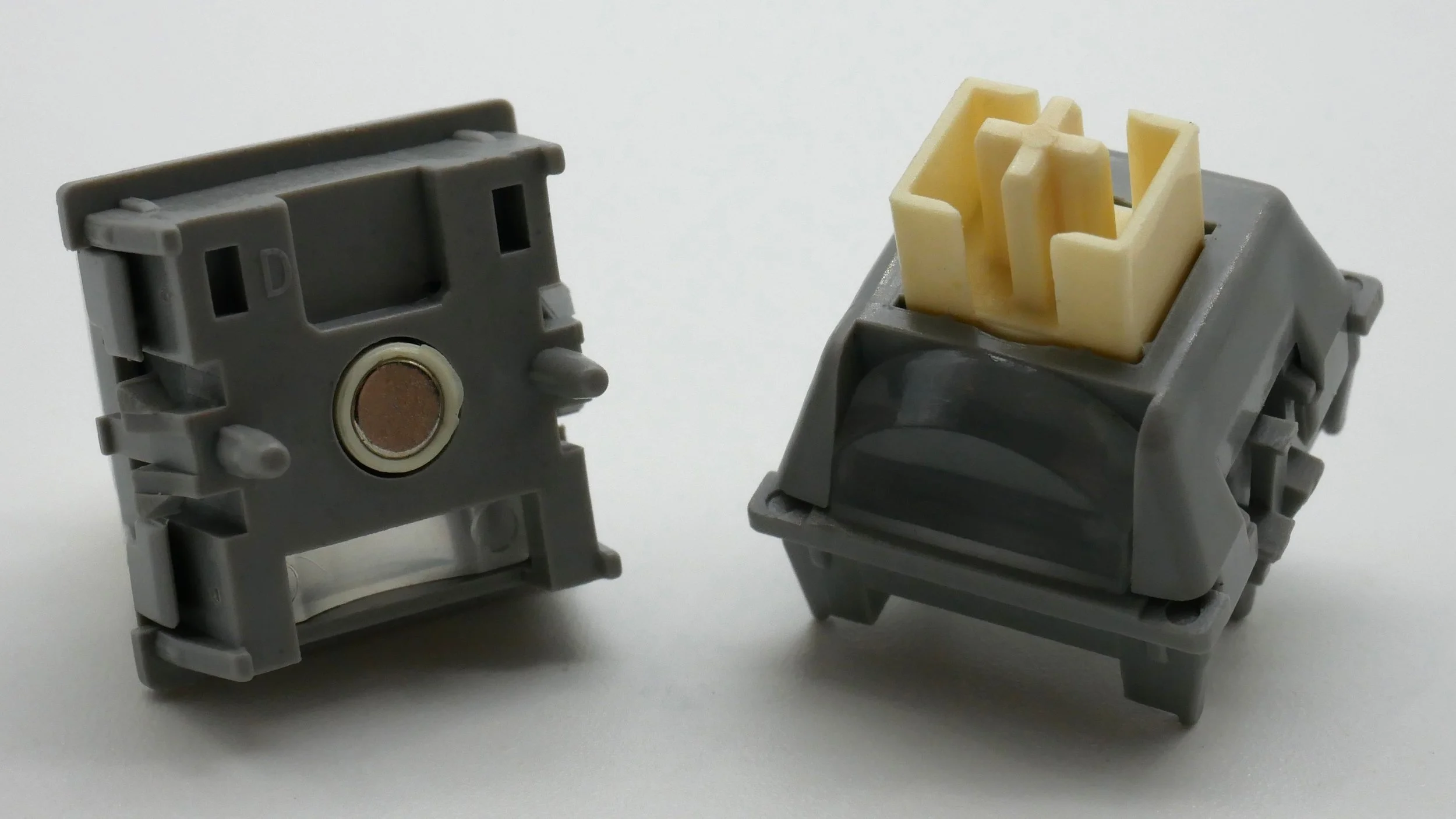
Figure 1: Genuinely terrifying, these switches.
When testing them out in hand, it’s very evident that the Co-Gain Magnetic Paragraph Axis switches feel tactile. Despite their beige and grey colorway invoking memories of the Teton Cream linear switches that eluded OG switch collectors for years at a time, the Magnetic Paragraph Axis switches punch with a brief, but wide and arching type of tactility that fills the entirety of the downstroke without being overly forceful. However, tactility like this is incredibly uncommon amidst magnetic switches, (and these especially are uncommonly designed magnetic switches,) so they definitely warranted a deeper look when I first got them in towards the very beginning of this year. Made by Co-Gain/XUDA, the very small manufacturer largely known for their optical switches and all around non-conducting switch mechanisms for the DareU family of switches, these stood out as being among the first non-DareU branded tactiles that Co-Gain/XUDA has produced in either HE or optical footprints. Looking at the switches themselves, their general construction was also… strange – they have a complex, multi-planar sort of attachment mechanism between the top and bottom housings, a protruding magnetic stem that articulates into and out of the bottom housings with every press, and ever so slightly warped proportions between their parts as compared to those of the standard switch design in the MX footprint. Given the uniqueness of their design mixed with their rare tactile feeling for the mechanism, I really had felt that they may be invoking some neat form of tactility that I hadn’t seen before. And while I have now learned that to be very true in a monkey’s paw sort of sense, it was then I first opened them to check out this mechanism that I was shocked to see quite literally no obvious tactile mechanism. There’s no latch, lever, or button that the stems are catching on, there’s no outcroppings anywhere that any movable parts are colliding against, nor even hiccup or hitch in the spring. There’s just nothing other than standard linear components to the eyes. Clearly, then, that tactility that I felt in hand must have been a hallucination right?
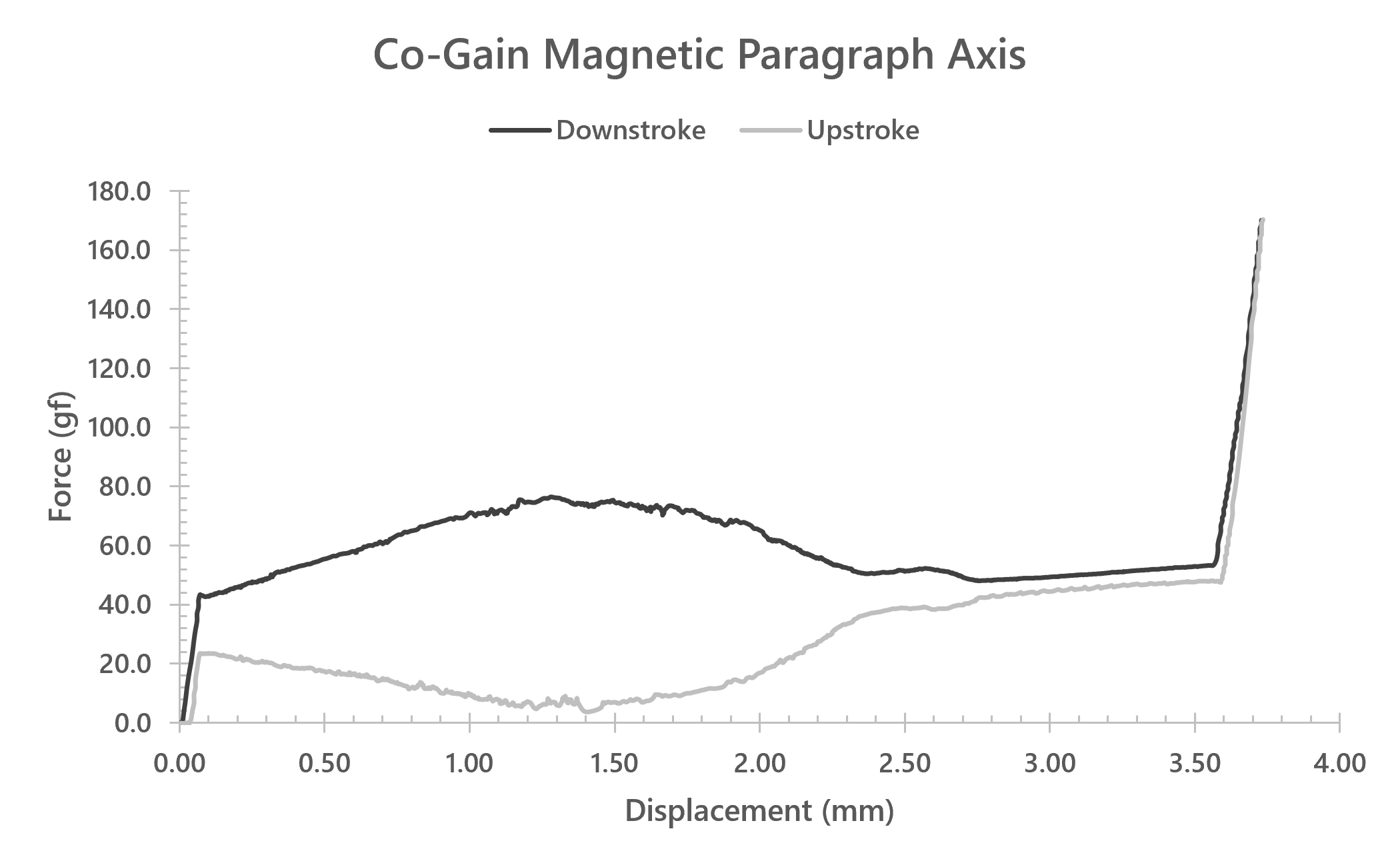
Figure 2: Very much a not linear force curve of the stock Co-Gain Magnetic Paragraph Axis switches.
The force curves don’t lie – it definitely wasn’t just in my head. In fact I’m not sure I’ve seen a force curve that was that evidently tactile in a very long time. Feeling dumber than all hell that I couldn’t figure out what it was that was causing these switches to feel this way, I reached back out to SwitchOddities who had just sent them to me a week earlier to see if he could come up with a clear understanding of what was going on. He also had absolutely no idea. I even recall having sat in a call with him for almost an hour watching him pick through each and every single part of the switch and mashing bits and pieces together in all forms to try and figure out what was causing the tactility and not a single attempt yielded any more ideas than I could muster up. After having let it stump us for more than half a year and knowing full well we weren’t likely to just stumble our way into an answer, we figured it would at least be fun to ask mandarbmax what he thought of this mechanism at Keycon 2026 last month. You know, the overly enthusiastic vintage switch collector who was literally having a talk at that very Keycon about tactile mechanisms in switches seen across all of keyboard history. I think both SwitchOddities and I would have imagined that if anyone were to have caught the subtle nuances underpinning the tactile bumps in the Co-Gain Magnetic Paragraph Axis switches that it would have been him. After having tried them out and took them apart under the same intrigue that both of previous had, I think the exact words that he landed on when describing this mechanism was “magical nonsense”, and so I’m sure you can take the contextual clue in that he too was stumped by what was causing these switches to feel that way. What I have not shared with you, though, is that all three of us more or less came to the same best guess conclusions as to what could be causing the tactility, even if we truly don’t have any clue at all. And so that is why I chose to break out the Co-Gain Magnetic Paragraph Axis switches into this short, strange article. Let’s get these out onto a tray.
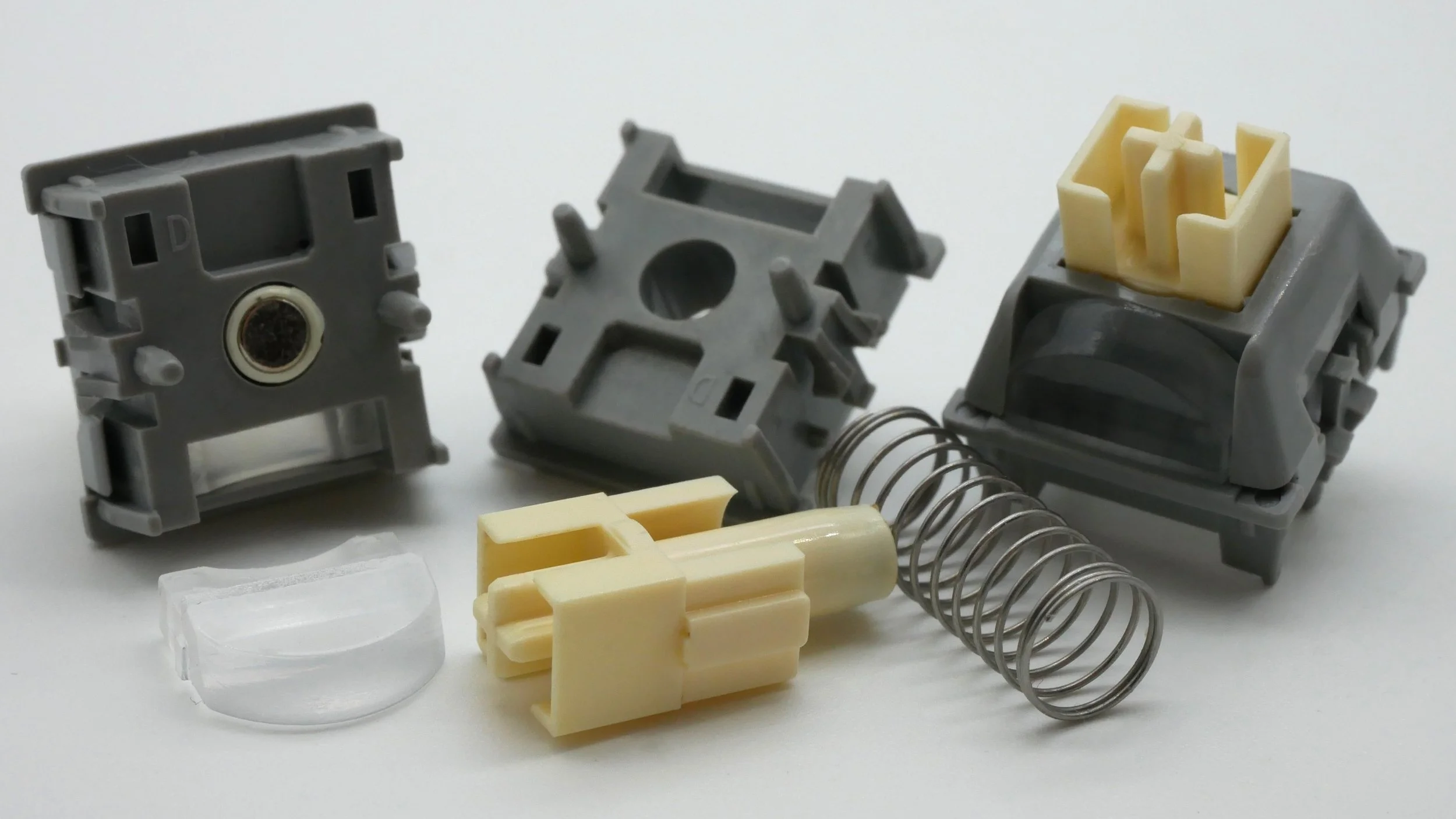
Figure 3: Nice.
Looking at the top housings in a couple of different directions and both inside and out, I want to note that there is a significant amount of infrastructure that certainly looks like it could do something but doesn’t interact with the stems at all. This is especially noticeable in the top side of the interior where there is an entire blocked off mechanism that looks like it could fit a leaf, a click bar, or some sort of optical crystal though is otherwise unused here in these switches.
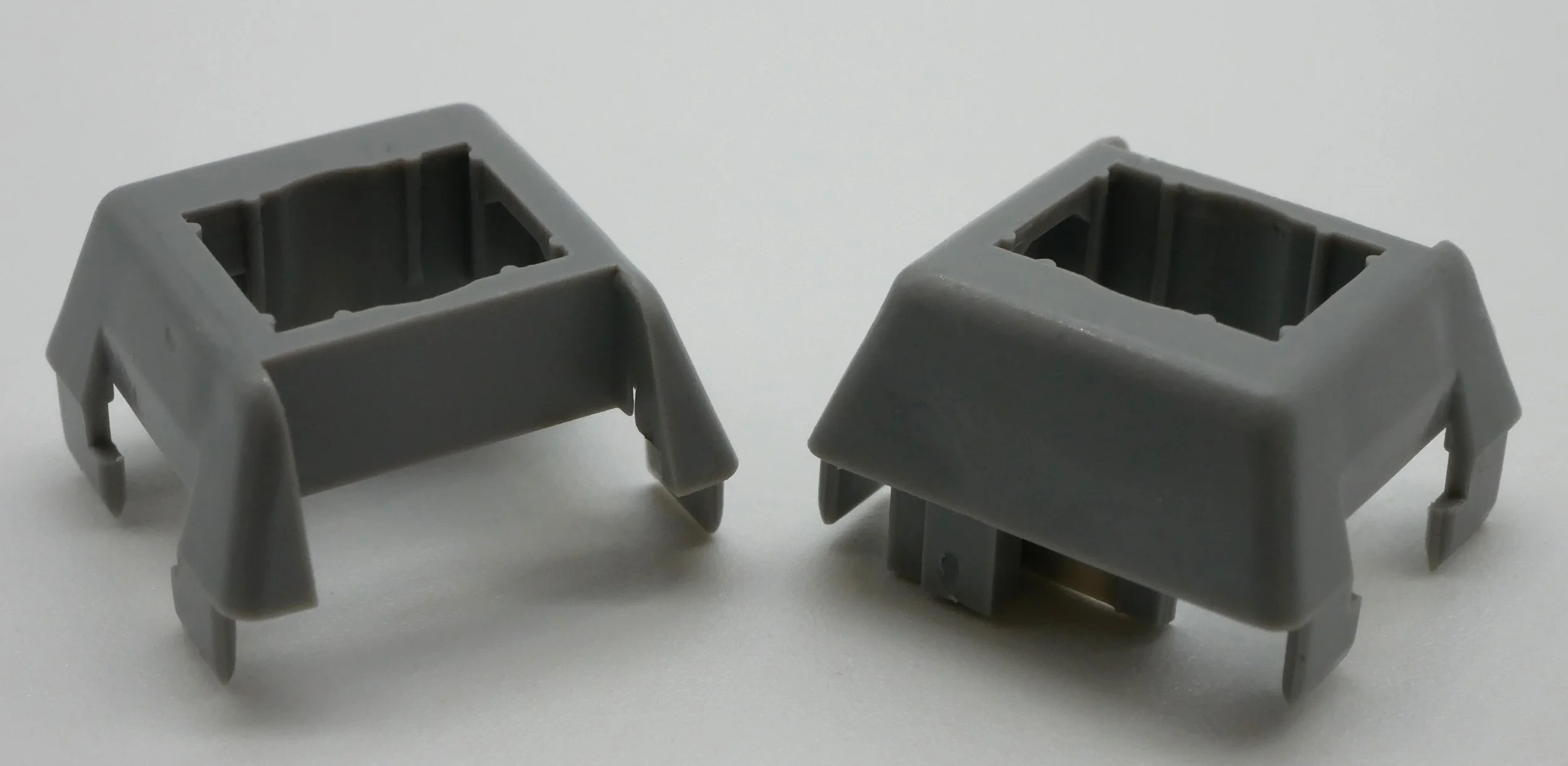
Figure 4: Exterior of the Co-Gain Magnetic Paragraph Axis top housings showing a front-facing slot for an LED diffuser and half of the unorthodox bottom housing attachment pins as described above.
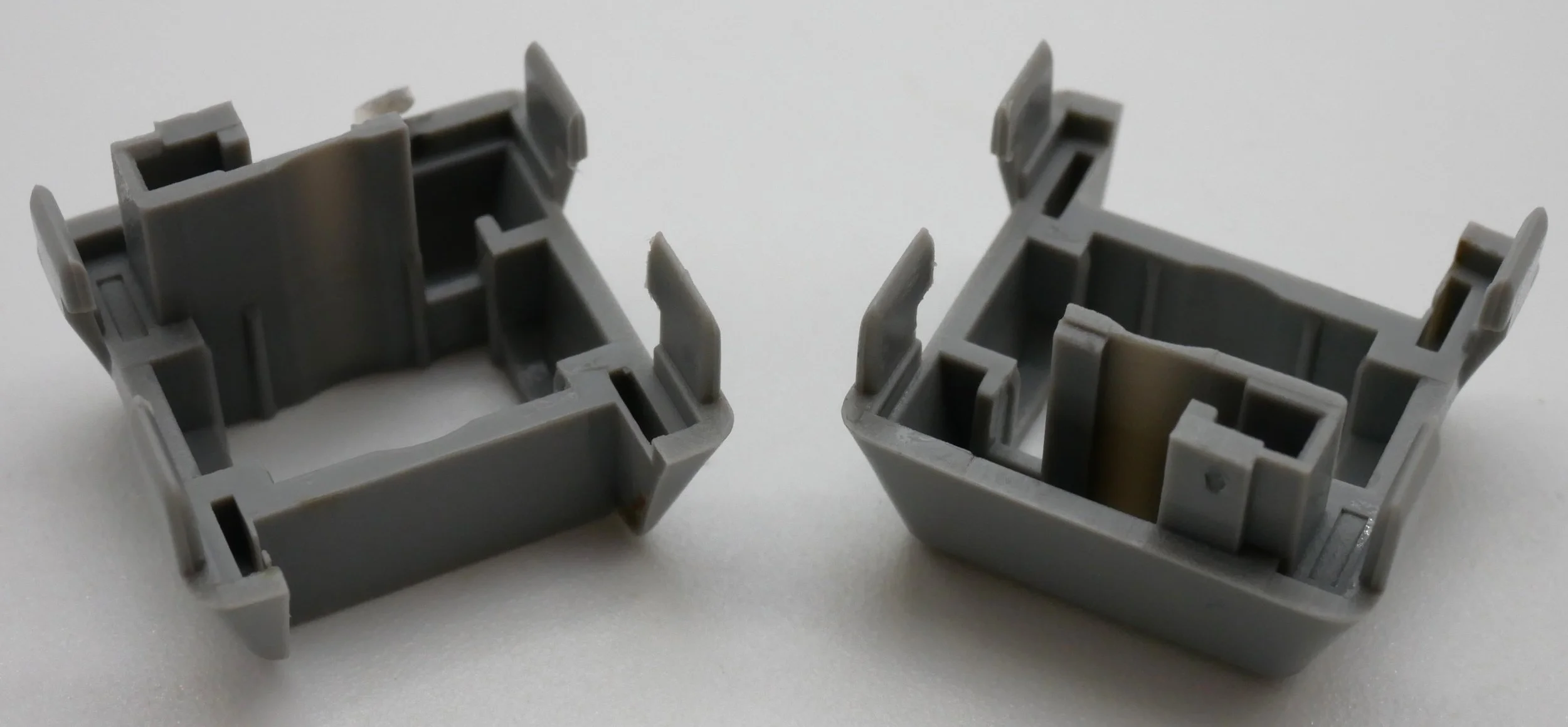
Figure 5: Interior of the Co-Gain Magnetic Paragraph Axis top housings showing a lot of vestigial or otherwise unused design quirks and features. I genuinely have no idea what the large structure opposite of the LED diffuser slot is supposed to even be for.
As described above, there’s nothing present on the walls in any direction where the stems would interface with the housings of these switches that should give them any degree of tactility. While some users may look to the thin, rounded rails located vertically on the North and South sides of the housings as something which could cause the stems to feel a certain way, its worth noting that these are merely guider rails that don’t cause any tactility and have been seen in a large number of other switches. As well, before moving onto the bottom housings of these switches, take a look at what the sides of these switches look like when the top and bottom housing attachment pins meet.
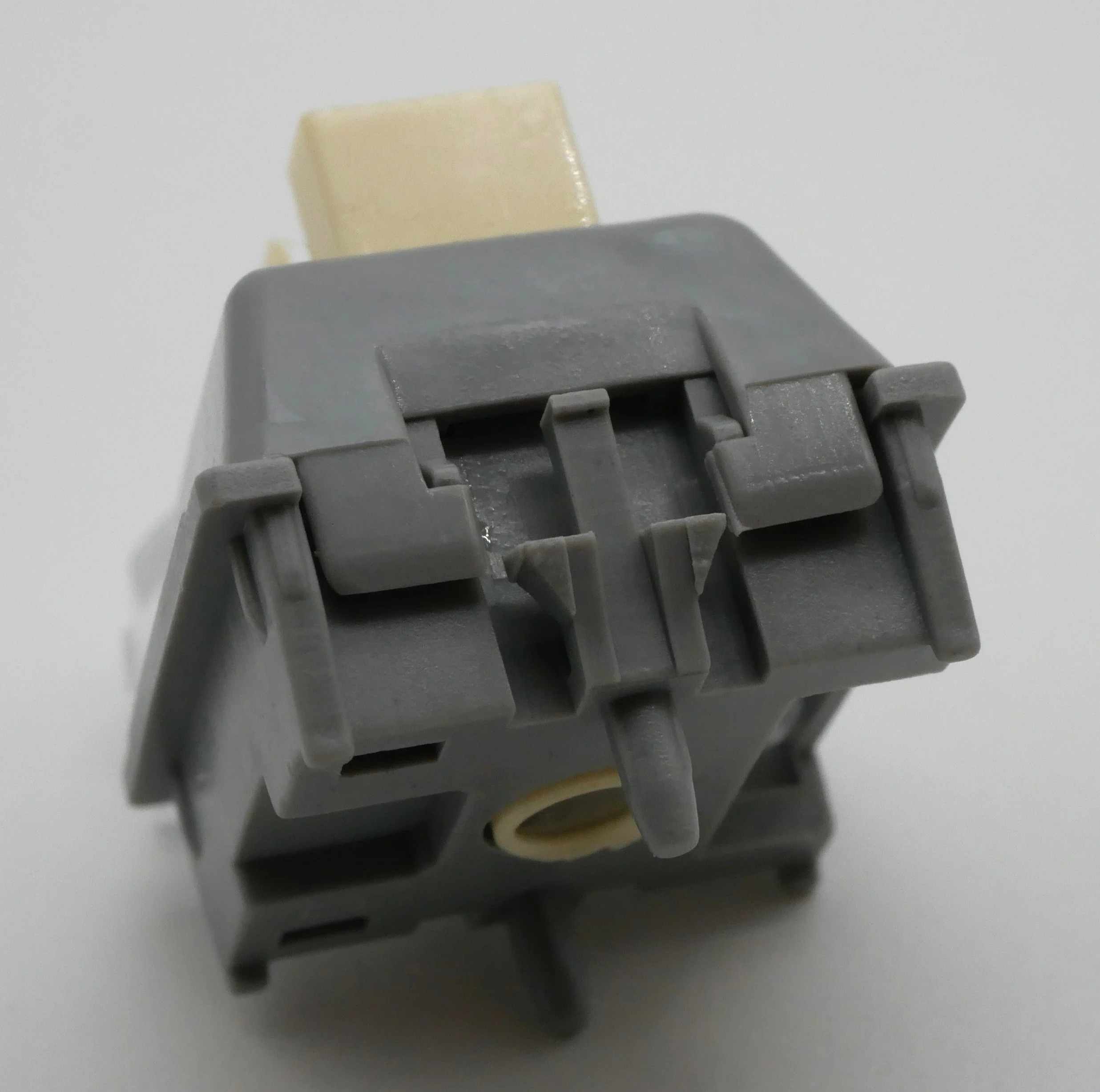
Figure 6: Side view of a complete Co-Gain Magnetic Paragraph Axis switch showing a four pin attachment style but with a more decorated, fancifully sharp looking portion on the bottom housings in between the top housing attachment clips.
As we move into similarly structured views of the bottom housing interior and exterior of these switches, I again want to stress a complete lack of features which clearly could cause a tactile mechanism in a switch. There’s no bumps, levers, leaves, click bars, or anything at all that interfaces with the stem obviously as it is pressed in or released. The only feature that will likely catch readers’ eyes are the vertical ribbing lines on the interior of stem/bottom housing hole. Again, however, these don’t appear to undulate in size along their length nor have any discernible change in thickness that would cause the stem to behave differently in some parts of the downstroke than others.
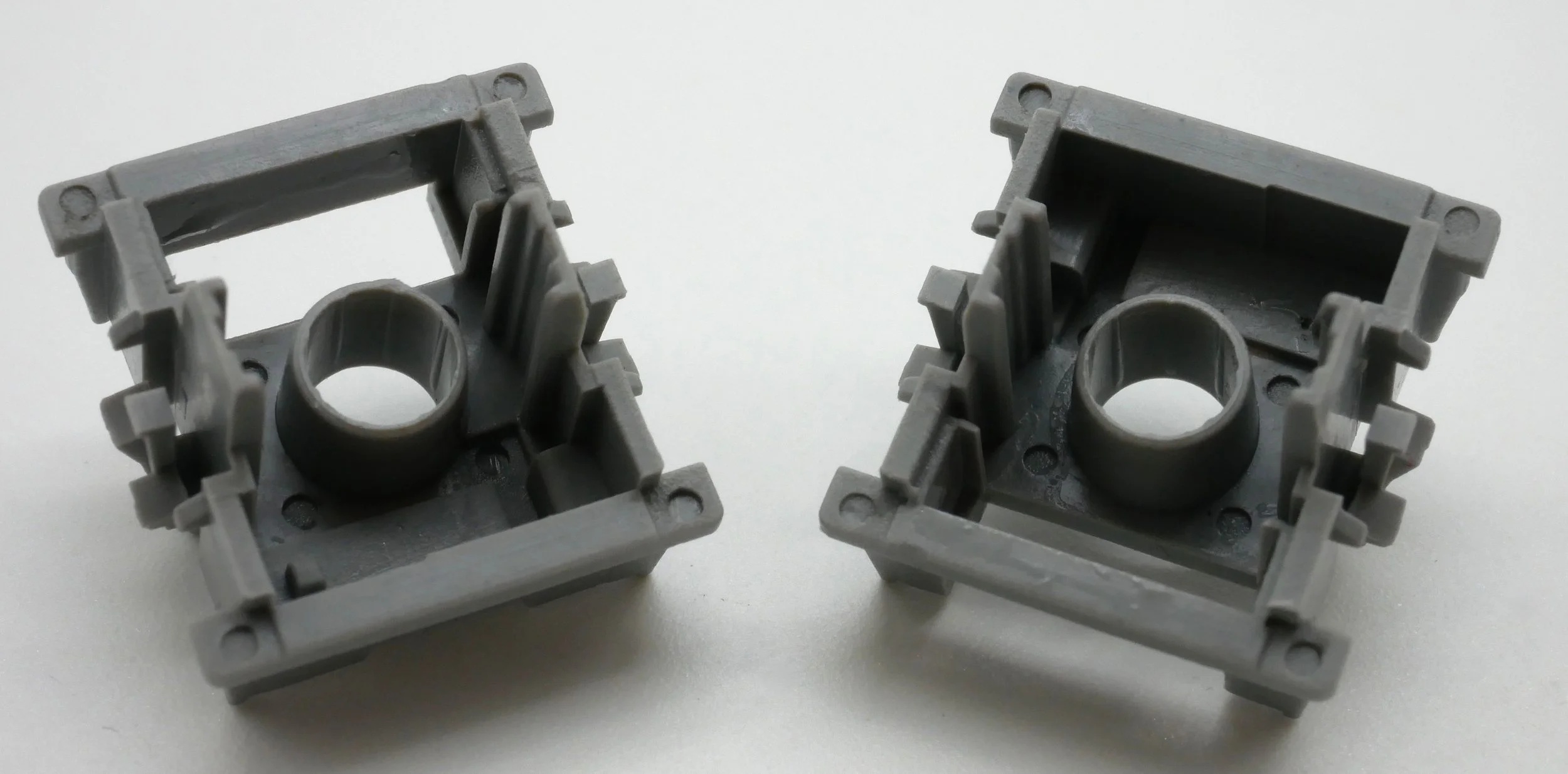
Figure 7: Interior of the Co-Gain Magnetic Paragraph Axis switch bottom housings showing a large number of grooves, holes, and spots where mechanisms certainly could go in these switches, though very much do not. Also note the vertical ribbing inside of the hole where the stem pokes in and out of when pressing the switch.
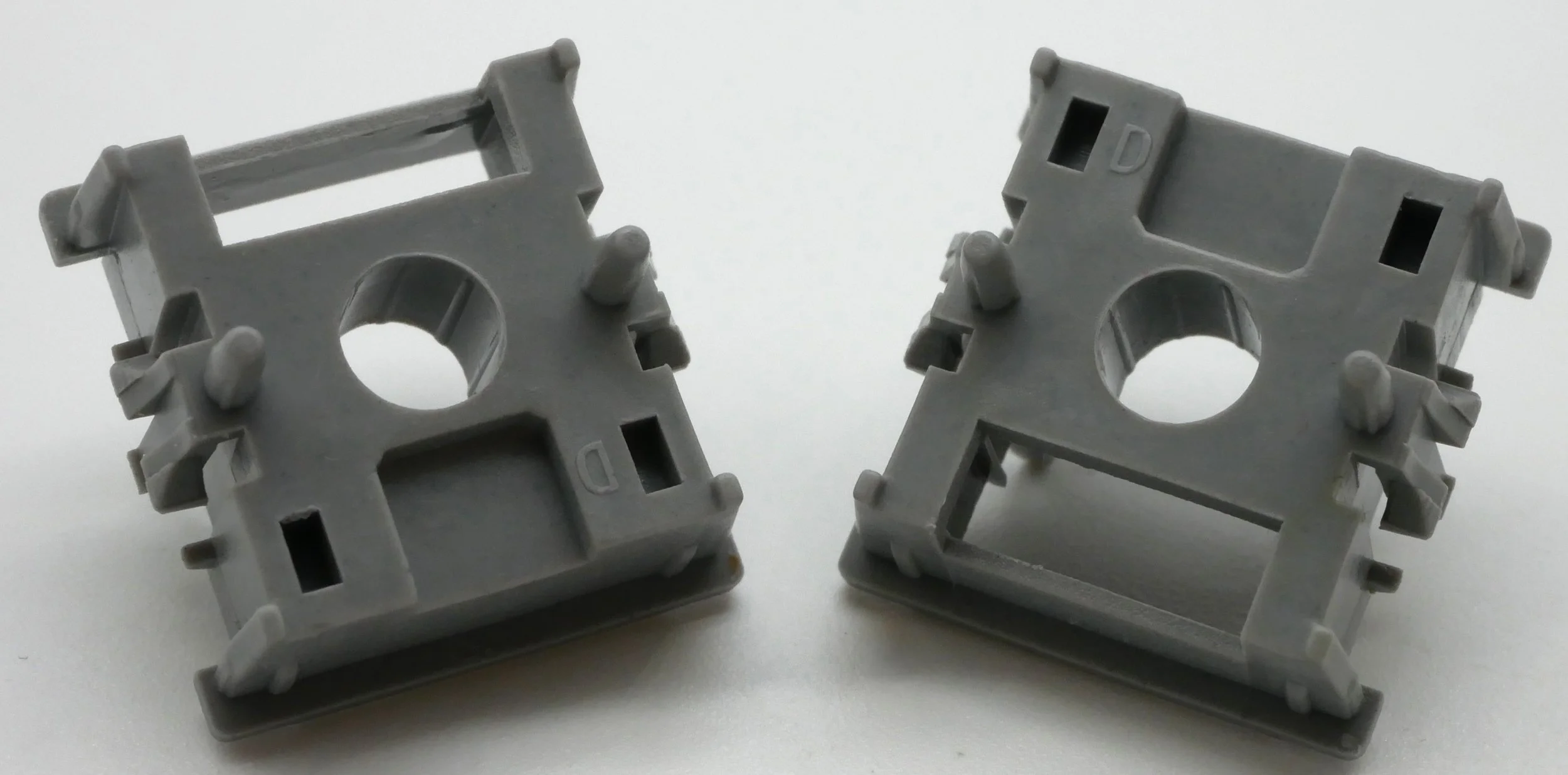
Figure 8: Exterior of the Co-Gain Magnetic Paragraph Axis switch bottom housings showing a relatively normal looking exterior with PCB mounting pins and mold markings all the same.
Now having seen almost all of the pieces and parts of the Co-Gain Magnetic Paragraph Axis switches laid out before you like the three of us, the best explanation that any one of us were able to come up with is that the tactility is occurring likely because of some combination of the stems being slightly bowed out in diameter along their and there being a very subtle constriction point through the bottom housings that causes the stems to “squeeze” through the bottom holes and increase the force required to push them through in a tactile feedback-like response. There are many smaller details, though, that make me confused as to how that could be the possible mechanism including, but not limited to:
- If you disassemble the switch and put just the stem (without a spring) through the bottom housings either the correct way or from the outside towards the inside, it only barely has a feeling at all – it’s only when the spring is involved that the feeling is somewhat noticeable.
- The effect still works with other large gauge springs from other Hall Effect switches, indicating that it is not related to specifically the springs of the Co-Gain Magnetic Paragraph Axis switches.
- If you put the stems on top of their springs and in the bottom housings like normal, but then turn the stem 90 degrees such that the slider rails on the stems are perpendicular to the guider rails in the bottom housings, the tactile feeling disappears.
- The addition of the top housing to the switch amplifies the tactile feeling such that the switch actually feels tactile though there is no features in the top housings that clearly would cause this to occur. (Without the top housings the feeling is like < 25% strength.)
Before you consider asking too, no there’s not any magnets embedded secretly anywhere in the bottom or top housings that we could find either.
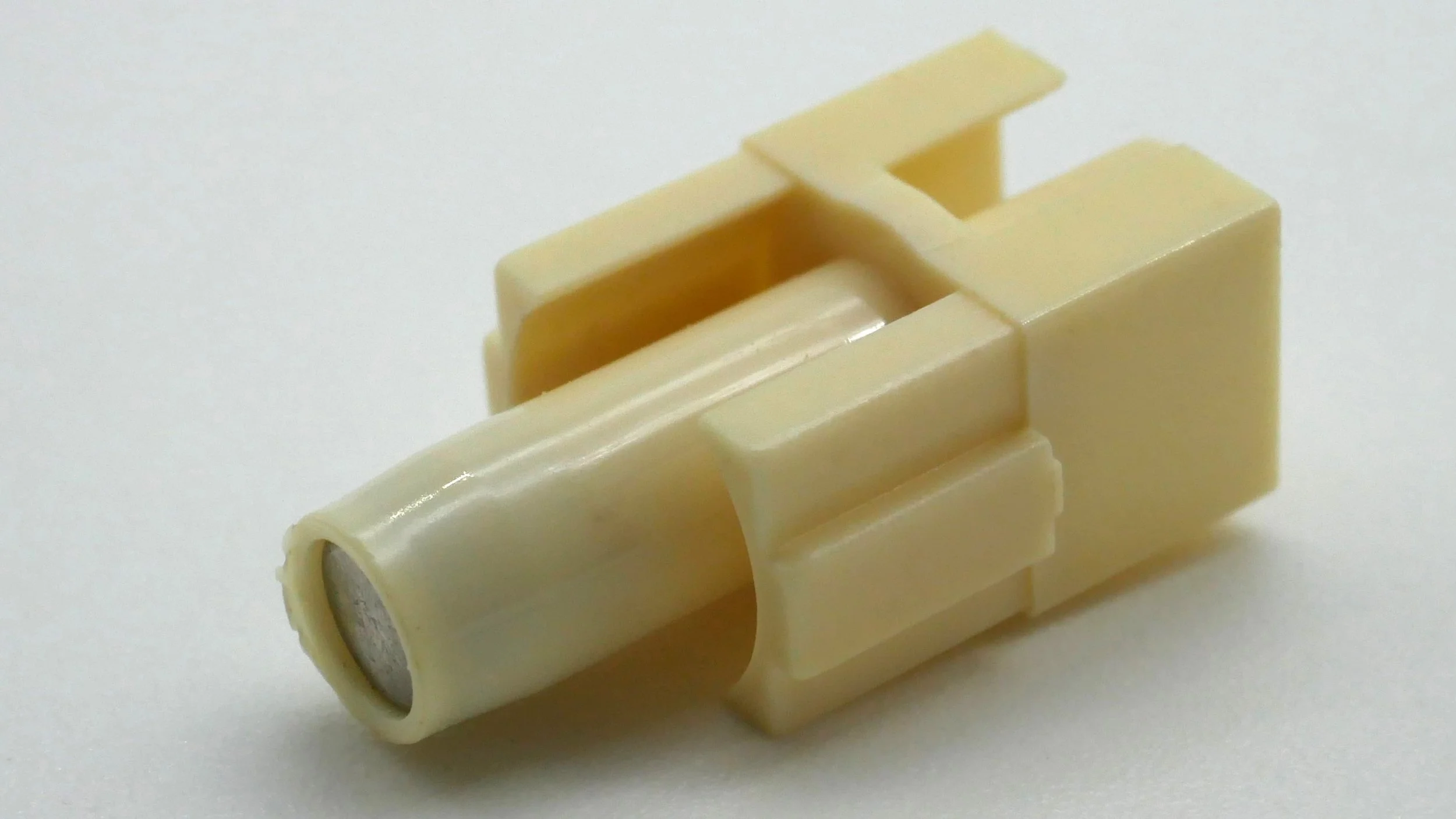
Figure 9: I could certainly swear that that center pole of a stem for the Co-Gain Magnetic Paragraph Axis switch bows out a bit part way down, though I can say my own mental well is sufficiently poisoned as to that idea. That ever so slight tiny change in diameter is what we all believe is causing the degree of tactility seen in the force curve above…
Well, there you have it. With what little pomp and circumstance that I could roll out for these enigmatic tactile Hall Effect switches, I can now proudly proclaim my confusion about how the Co-Gain Magnetic Paragraph Axis switches work with all of you. These have to be the first, if not the only modern switches I’ve ever encountered to date that have completely stumped me as to how their mechanism works and I really was hoping revisiting them again for this article would have given be something. Alas, it did not. I can wrap my head around complex concepts in switches like magnetism and the Hall Effect just fine, and I’ve even taken more complex courses throughout college such as quantum mechanics, polymer physics, and thermodynamics, but yet it’s the smooth-walled tactility of these switches that I just can’t quite seem to crack. Perhaps mandarbmax said it better than I could have ever thought to describe them in referring to these switches as “magical nonsense”.