HMX Frog Switch Review
As someone who is also guilty of scrolling Reddit during my lunch breaks at work, I too saw the post hit popular by way of r/Wikipedia a handful of weeks ago discussing the grammatical concept of the “Prophetic Future Tense” and I’ve not been able to get it out my head. You know, that written tense wherein future events that have yet to occur are so certain to eventually occur that they’re talked about as if they did happen in the past tense… but in the future. Don’t worry, the linked Wikipedia article hardly did a good job of explaining this at all in the cited Bible verses that came with it, leaving me stranded to the comment section for the takes and feelings on the matter by armchair grammar experts. One such comment, which cited ‘A Guide to Biblical Hebrew Syntax’, recontextualized these quotes as definitely being able to be described in that manner, but more properly referred to in academia as the “rhetorical future” tense, something which has been stuck in mind in the most wholly of unproductive ways. For one, it led me to writing about it as an introduction to this week’s switch review. Another much more fun and interesting way to go about the rhetorical future tense unproductively is to spend decent portions of the work week trying to squeeze it into conversations by describing the steps following solutions to problems we’re having that I have yet to actually fix as if they actually occurred. While it can and certainly has come across a tiny bit arrogant to presuppose a solution to a problem and then pivot off of that assumed solution if you don’t deliver it well, more clear deliveries of such really do leave people thrown off with the sheer confidence in your plan of action that has yet to be taken. And so since I’ve had quite literally nothing else going on in my life in the last two weeks except figuring out how to actually cleanly deliver these syntactically loaded double downs to all of my coworkers, I figured I would also torture you all with it, dear readers. Consider trying it out for yourself if you get a bit bored at work next week. It will be really fun when you started pitching all of your answers to problems in such fashion.
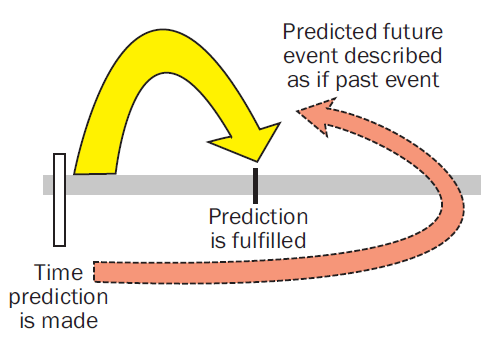
Figure 1: I'm sure grammar expert will come out of the weeds to inform me that my last sentence actually isn't technically in rhetorical future tense, but I'm trying my best.
Switch Background
As I’ve spent the last week trying to wrap my mind around the concept of fully completed concepts that are certain and yet concretely in the future, and in turn collided that with my regularly scheduled thoughts about switches, I’ve come to realize that a lot of the predictions made regarding switches over the years also seem to fit under the umbrella of this “rhetorical future” tense quite a bit. Despite none of us being able to predict the future with any serious capability, it always seems as if the strange ideas we have about switches are always presupposing some truth about the community in the future. Predictions such as “When < this switch company here > started making Hall Effect switches, they took over the market” or “When companies began fighting for space in the keyboard market, they began differentiating themselves along aesthetics or by pushing for modular switches” are easy examples of such. And I’ve come to realize that a lot of presupposed guesses about the future of mechanical keyboard switches all seem to be similarly flawed down one line of thinking – they always assume the switch market is as big or bigger than it is today in the far flung future. Nobody, me included, ever seemed to openly predict that the mechanical keyboard switch would slow down at any point in the future. Or if anyone did, they certainly wouldn’t have predicted that it would slow to the rate that it seemingly is today. While I have briefly mentioned this phenomena a few times over the last handful of months of reviews, I’m officially here to say that the western mechanical keyboard switch market has slowed down dramatically in recent weeks and months. Whereas I used to have to chase a dozen different US vendors in order to keep up with new switches and every type of new, unique concept released, it really just seems like the only vendors that are pushing releases en masse are ones such as Unikeys or Swagkeys – eastern based, western facing companies. Previous market topping release machines such as Dangkeebs, Cannonkeys, Novelkeys, Divinikey, and so on all have slowed their roll quite a bit in recent months and whether its by way of current US economic situations or just a change in people’s interest over time, they just aren’t releasing switches like they used to. And setting aside the fact that I’ve genuinely wanted to review the HMX Frogs for some time but keep getting sidetracked by switches with more substantial stories every other week, this desert of releases has had me reaching a bit deeper into the bag of switches to review than normal in order to find something. After all, the HMX Frogs being almost 10 months old as of the time of me writing this is among the longest delay from the release of a switch to a full length review as I’ve had in many, many years.
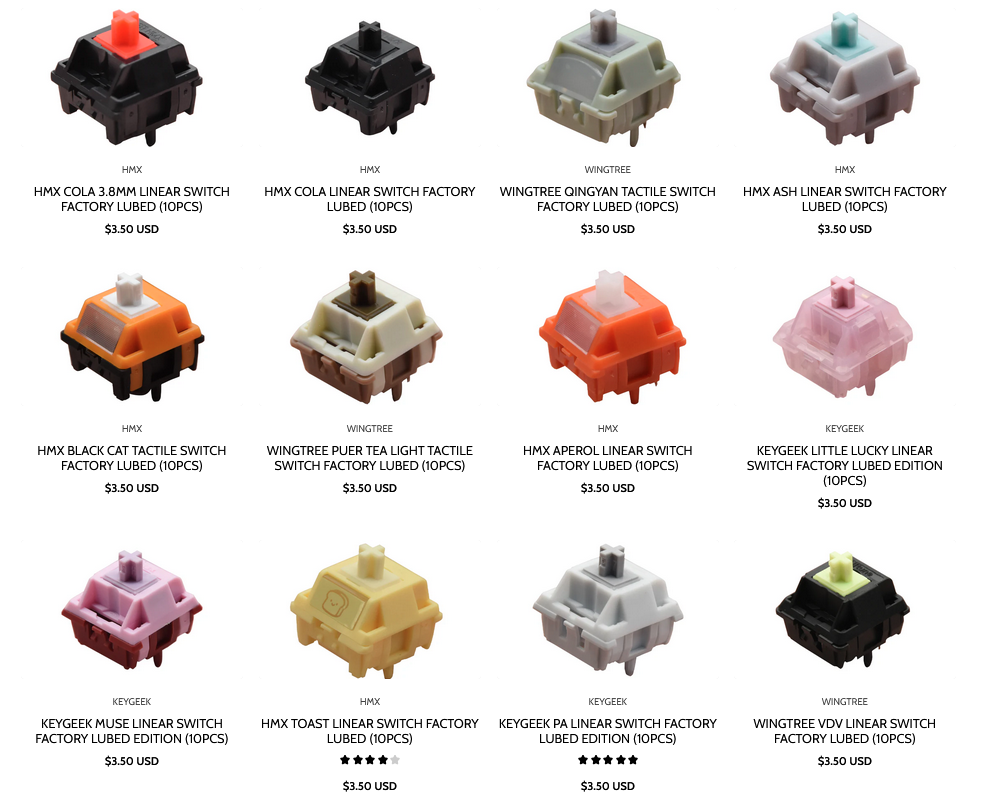
Figure 2: And even those companies like Unikeys are being selective, largely supporting new releases of only the newest manufacturers like HMX, Keygeek, and Wingtree.
While I did try and make it clear that I was really bogged down in recent months by historically neat and context laden switches to review, don’t think that the HMX Frogs are short on a story or relevant details on account of me taking so long to review them. On the contrary, I think that they’re somewhat historically notable as they were (and will forever be) HMX’s first tactile switch that they pushed out to the community. However, one detail as such and no broader surrounding theme or substantial marketing push outside of Kinetic Labs’ few weeks of introductory social media posting doesn’t make for much of a detailed switch background. In fact, without mass marketing or large, overwhelming community hype for certain switch releases and brands like just a couple of years ago, a lot of switches moving forward are going to stop having deep histories to them despite being around for some time. The only way that I’ll be able to piece them into the larger story that is modern mechanical keyboard switches is one that is heavily contextualized to the other switches that came before and after them. And in spite of having been out for nearly a year as of the time of writing, it really wasn’t until just a handful of weeks ago and well over a half year of release that there were other switches released that really contextualized the HMX Frogs amidst everything – other HMX tactiles. While one of my example presuppositions above focused on how manufacturers would certainly distinguish themselves based on aesthetics or modularity in the far flung future, it really does seem that this unprecedented future of slower releases has companies like HMX distinguishing themselves in the good old fashioned way with a wide array of switches that feel differently. Unlike KTT and HMX linears which try and stratify themselves by way of specific material choices for their housings, or Gateron that divides up similar styles of offerings across different price ranges, HMX is making their small of array of a bit over a dozen tactiles to date different in their tactility. (Yes, I do know that I still need to get around to writing that article.) While the Frogs and their early-out-of-the-gate tactility that unfurls in a nearly full stroke downhill slide have been contemporaneously matched by releases like the HMX Firecrackers, variants of this tactility have been released with lengthened stem poles and shorter travels like the HMX Snowfalls, and even entirely different lighter tactiles with small, centered tactile bumps like the HMX Longjing S have been released as well. That smaller, tighter tactility of the Longjing S’s can also be subdivided as well with switches such as the HMX Yamatake, Bleed, and Bruise all being of the same general style but with subtly different forces and stem travels to fulfill many tactile niches. Alongside the releases of these dozen or so HMX tactiles in recent months, the HMX Frogs stand out less as historical landmarks but as among the stronger, more conventionally attractive tactile switches to headline HMX’s foray into the tactile switch world.
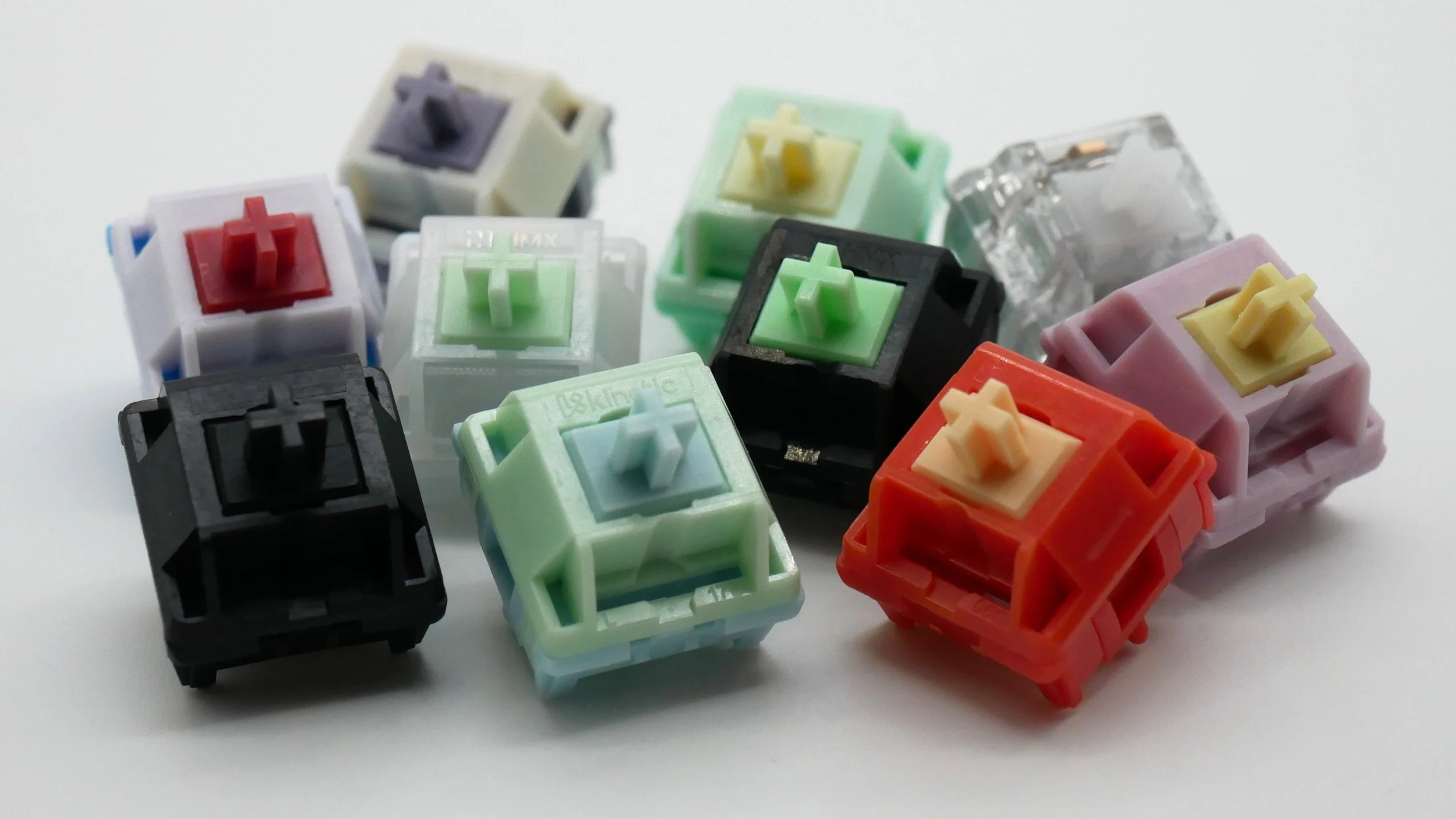
Figure 3: A selection of HMX's tactiles as of the time of writing this review including the HMX Yamatake, (Akko) Cilantro, Firecracker, Jade, Longjing S, K01, Bleed, Bruise, and Frog.
With the HMX Frogs hardly solidifying much of a historical retelling here and the tiniest bit of a contextual agglomeration with a handful of other recent tactiles, it really does prompt some larger concerns about the future of switches when the markets have slowed in the fashion that they have. In 2026 Gateron seems perfectly willing to duke it out with TTC in the Hall Effect switch space for some reason, with the former seemingly forgetting that they had one of the most sought after runs of custom, premium MX-style switches for years and the latter letting a highly grossing, aesthetically rich line of Lunar New Year switches seemingly shrivel year over year since their inception. Cherry has completely folded up their traditional Auerbach facility and has seemingly been rapidly assimilating with the Chinese switch manufacturing Borg by producing switches that are more heterogeneous with Outemu than homogeneous amongst themselves. And even new manufacturers like Wingtree and WEKT – which have produced a range of switches about as varied and “deep” as previously new and exciting brand SP Star – seem to be all the rage instead of previous contemporary giants like KTT, HMX, and LICHICX, or by extension virtually ancient modern giants like Durock/JWK and Tecsee. Amidst all of this, the amount of switches from any one of these manufacturers finally making their way towards me over here is decreasing… and by a lot. While I don’t imagine that this change in pace nor tone will grind switch content and reviews to a halt this coming year, do expect that the offerings discussed here in the next few months will feel a bit less headliner-worthy than they have in recent years. Or when switches like the Frogs have little story to them that they get converted into utilitarian markers of differentiation from one brand’s attempt to stay relevant from the rest. Or when the new switches eventually dried up from being able to sustain an every-other-week writing method I’ll have moved on to writing about other older switches or keyboard concepts that fascinate me. (This rhetorical future shit is a lot harder to pull off than you’d think and I’m kicking myself for choosing this as the editorial throughline for this background.)
Returning back to the here and now in a bid to stave off rhetorically existential spirals, the HMX Frog switches were first released sometime around late March/early April 2025 as a Kinetic Labs and HMX tactile switch collaboration. While a continuation of a long line of Kinetic Labs’ ‘Animal Family’ of switches which have included over a half dozen entries across all types of switches and manufacturers over the last handful of years, the Frogs were HMX’s first tactile switch to be produced. Coming out with marketing surrounding their medium strength tactility, a 55gf bottom out, and HMX’s factory lubrication, their release pricing of $0.52 per switch was fairly strong and gained a lot of initial up front interest from the community at large. However, as 2025 progressed through a range of incredibly strong, competitively unique and never before seen tactile switches such as the Gateron Lanes and Sillyworks x Gateron Type Rs, to name a couple, the broader community interest shrunk quite a bit despite their first of its kind nature for HMX, a company still very well thought of by the community at large. While the majority of Kinetic Labs’ ‘Animal Family’ switches have been solely sourced by them for at least a couple of years until their backing manufacturer moves along or stops being as interested in the designs they have created, the long term future of the HMX Frogs is both unstated and unknown. It’s presumed these will continue to be available for some number of years into the future until HMX itself goes the way of other manufacturers before them.
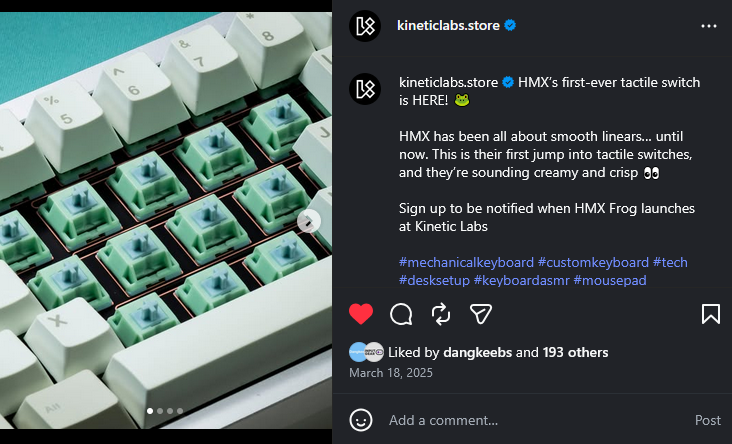
Figure 4: Kinetic Labs' debut announcement for their collaboration HMX Frogs on Instagram.
Frog Performance
Appearance
At the highest level, the HMX Frog Switches come in a two-part colorway with soft, baby blue stems and matching bottom housings that are separated by a tonally matched light green color that makes for a combined effort that isn’t quite what comes to my mind first when thinking of a frog. And yet, when I ponder it a bit I do feel like it kind of is representatives of what a cartoonish frog might be colored like depending on the animation style. Definitely a kid’s style cartoon frog and not a Michigan J. Frog kind of animation. Despite these shades of green and blue being common colors to see in switches and the thousands of different switches that have been released over the years, I feel somewhat surprised in saying that I think these are in fact unique looking switches and thus should be fairly easily recognizable in a crowd of any other set of switches. If it isn’t plainly obvious from a distance, though, the ‘kinetic’ nameplates of these switches makes them more than readily apparent as HMX Frogs. While made by HMX, the design and aesthetic collaboration with Kinetic Labs has yielded some details that are surprisingly different than that of other HMX switches which I’ve reviewed here previously on the site, such as the HMX Volume 0-T switches. Many of these unique details, though, occur at the part and sub-part levels and may be found discussed in the paragraphs and photos below.
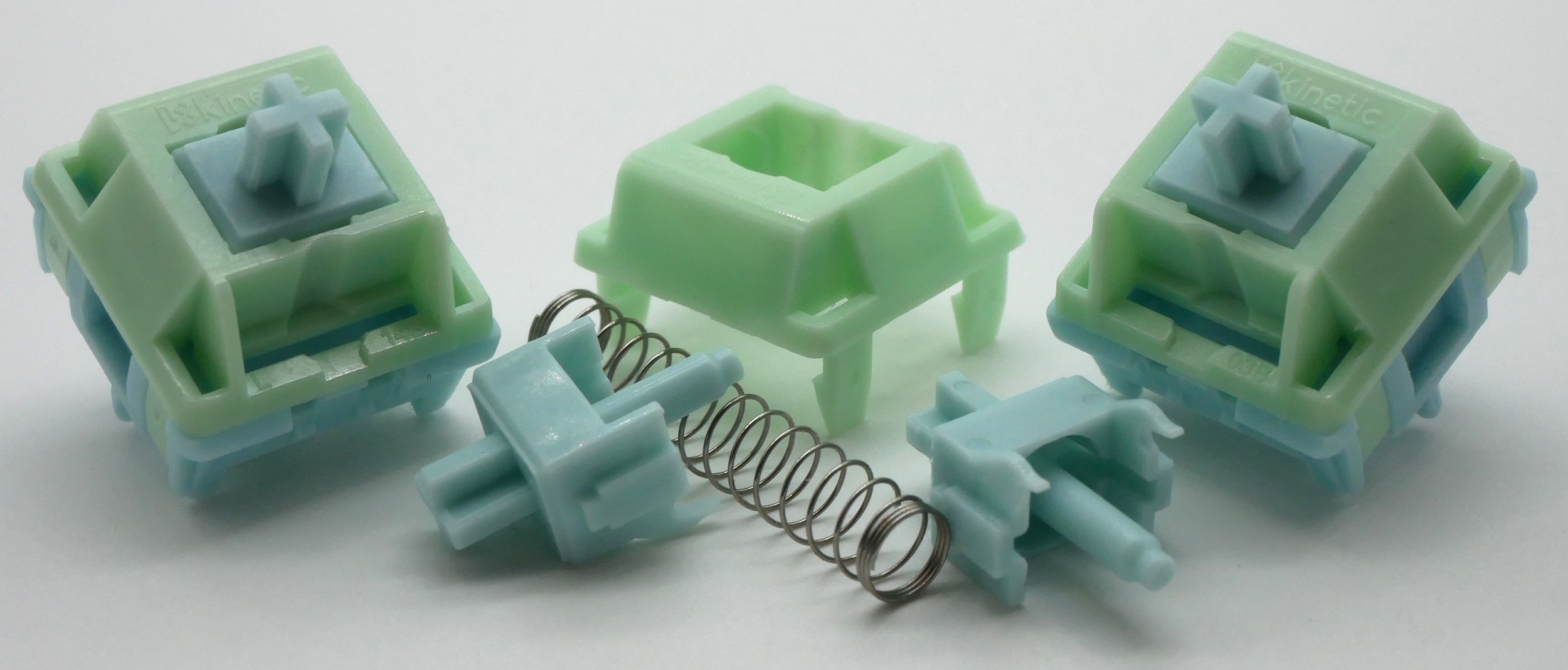
Figure 5: HMX Frog switches and their components.
Looking first to the light green top housings of the HMX Frog switches, we’re greeted with the greatest number of details that make these unique amongst HMX-made switch parts. While some readers may jump to assume that the custom, “kinetic” nameplate is unique, it’s actually not even the first nor second vendor-specific nameplate collaboration HMX has done before. With both Akko and Geonworks getting custom ‘Akko’ and ‘Geon’ nameplates for their switches, respectively, the Kinetic Labs collaboration with the HMX Frogs are not unique in this fashion. Nor are they unique, for that matter, as a result of their two part mold markings on the outer edge lips of the long, rectangular LED/diode slot that they have. While uncommon amidst all HMX switches to have ever been produced the left-hand single capital letter and right-hand three digit mixed type mold marking has also previously been documented on the top housings of the similarly green Akko Cilantro switches. Unlike the Cilantros, though, there is a surprising third mold marking on the insides of the top housings of the HMX Frogs. Located on the right-hand edge of the housing, this mold marking can be seen in the form of a single capital letter embossed within the half-width rectangular indent in the housing. Outside of these specific features, however, the HMX Frog top housings are otherwise fairly commonplace and have details that are more or less spoken for in the images below.
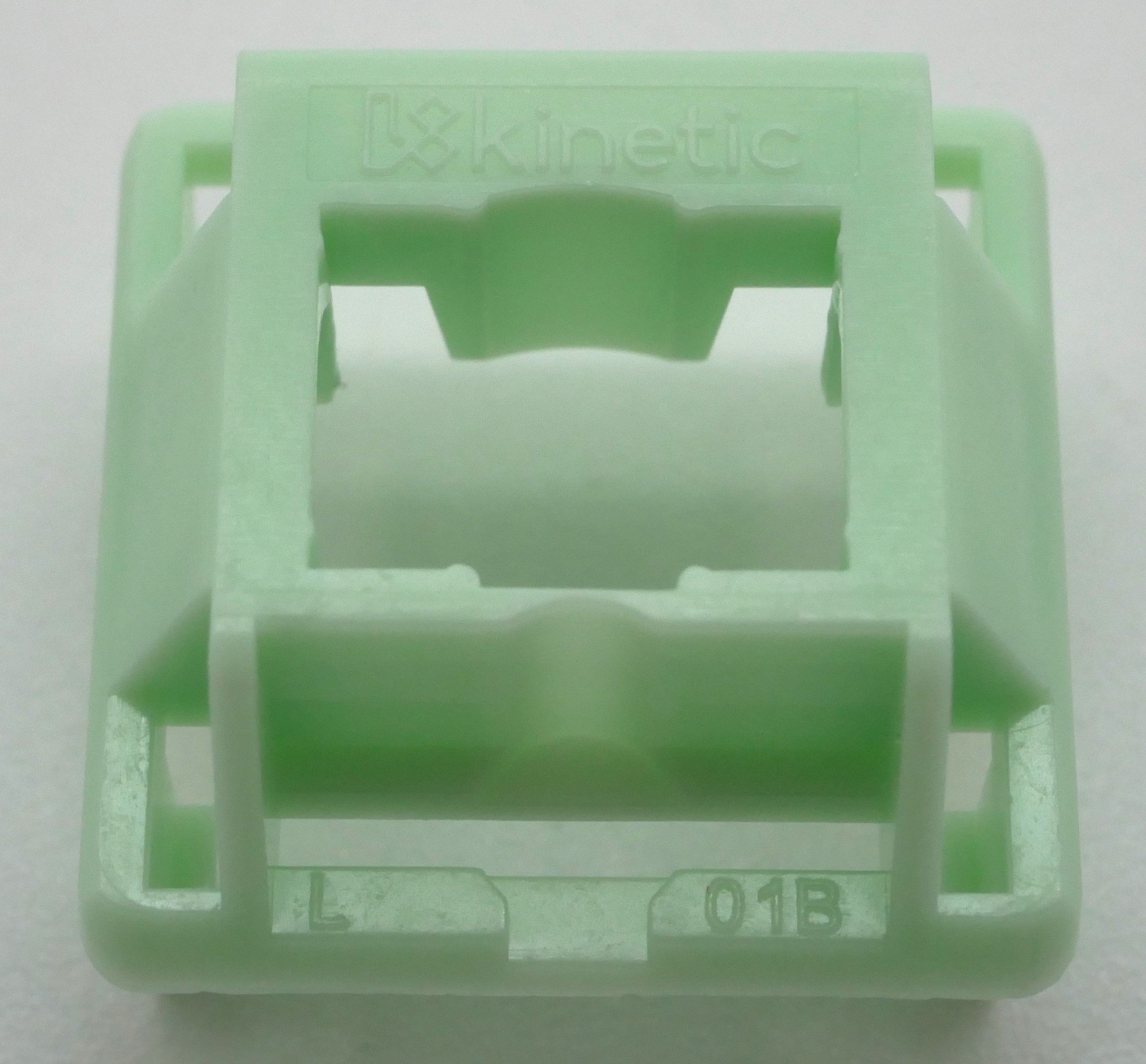
Figure 6: HMX Frog top housing externals showing customized 'kinetic' nameplate, long rectangular LED/diode slot, and multiple mold markings on the outer edges of that slot.
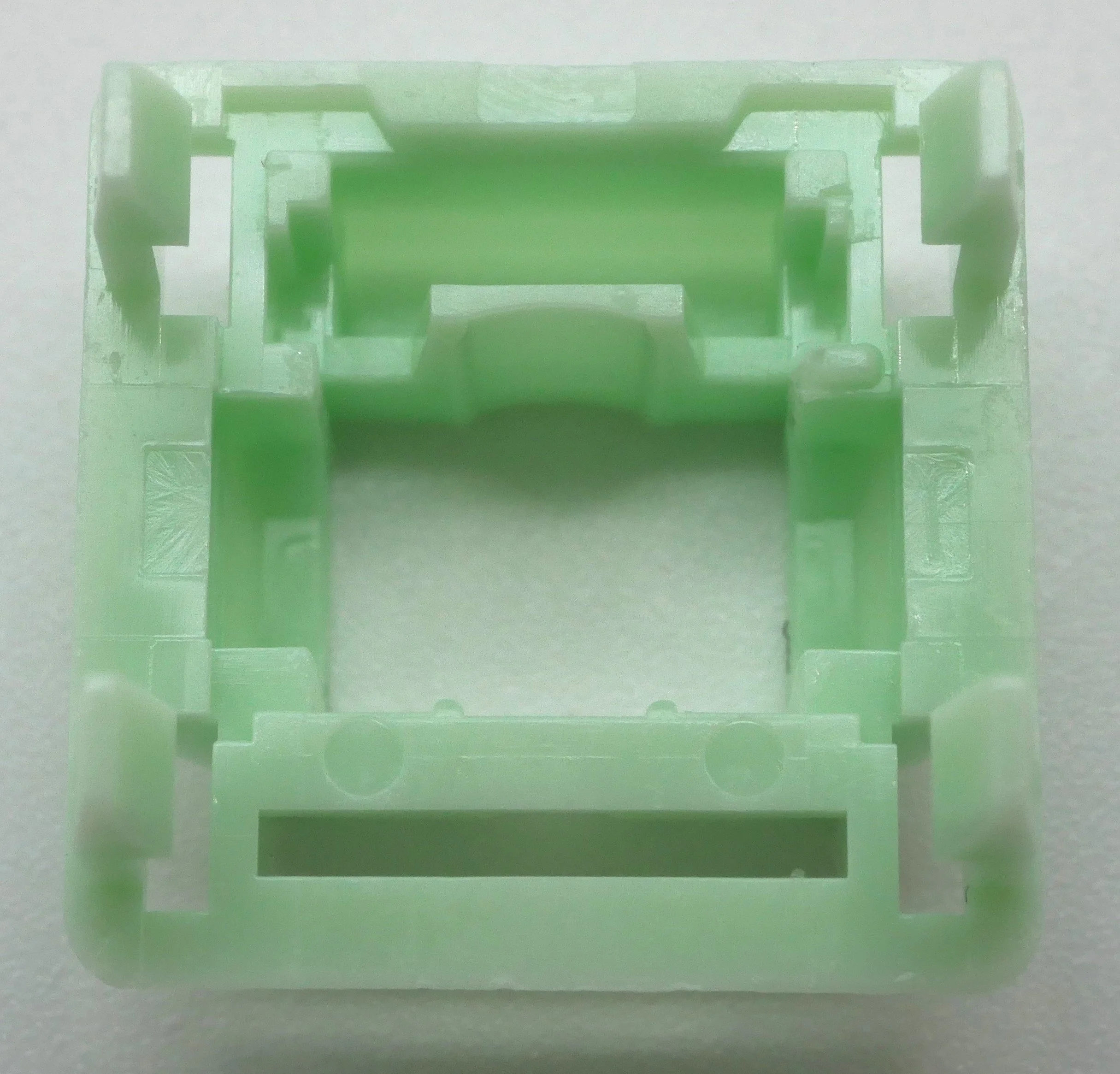
Figure 7: HMX Frog top housing internals showing features in line with other HMX-made top housings as well as an inverted, single capital letter marking on the right-hand edge of the housing.
Moving next to the pale, baby blue stems of the HMX Frog switches, we encounter a handful of details that are neither unexpected nor necessarily unique among HMX nor HMX tactile switches released previously. With a ‘high and tight’ style stem that features a pronounced center pole length relative to shortened slider rails, it’s evident that this stem is meant to ground out into the bottom housings sooner than a conventional 4.00 mm travel distance – something also made clear by the 13.46 mm total stem length and even more so evident by the 3.620 mm stem travel distance seen in the force curves of the Frogs in later sections of this review. Beyond these features, the HMX Frog stems are fairly traditional, packing squared off slider rails, mold ejector circles on the front plate of the stems, and trace amounts of evenly dispersed factory lubing across all sides of the stems.
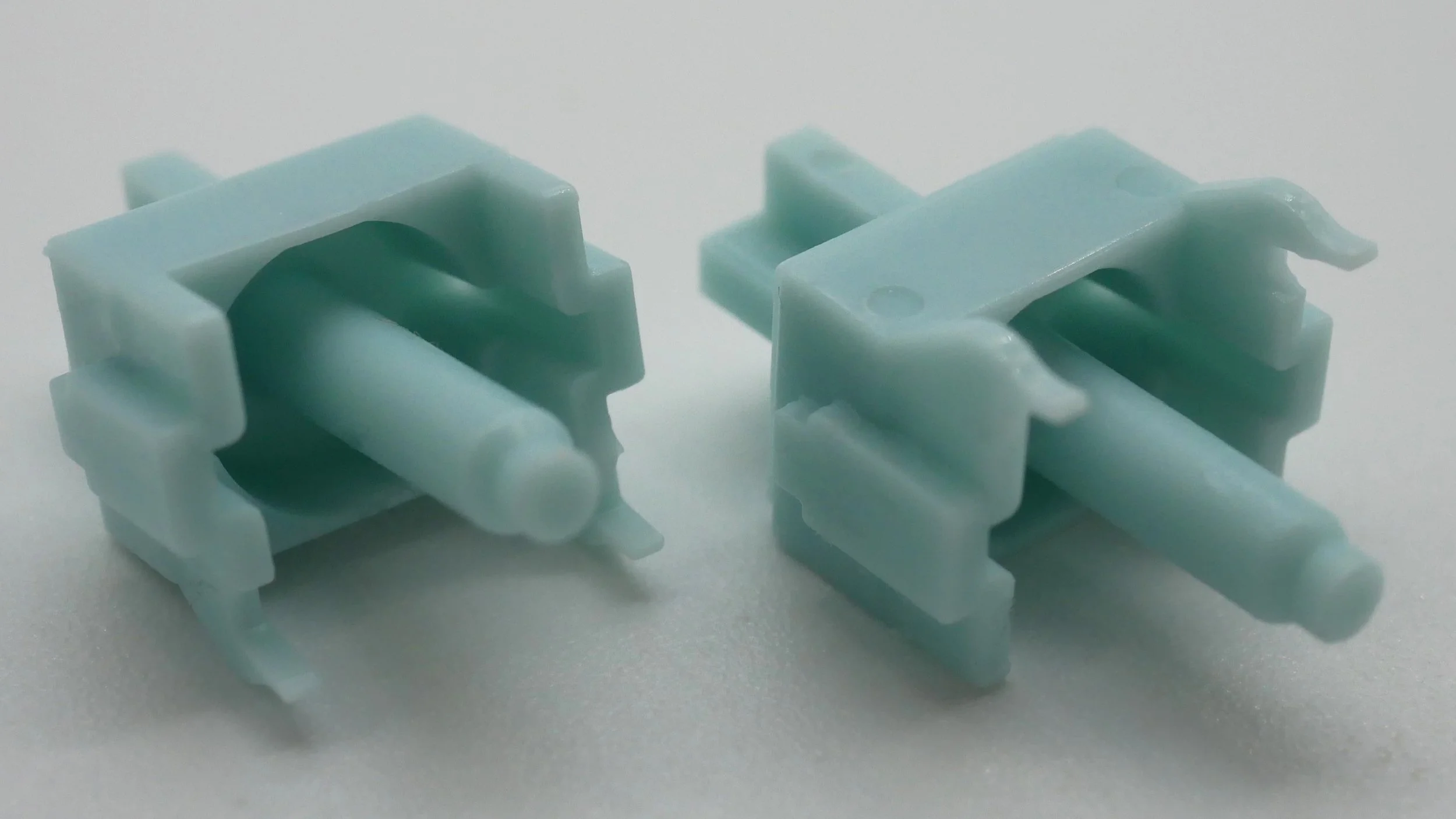
Figure 8: HMX Frog stem front and backs showing non-tapered slider rails, lengthened, tiered center pole, and front plate mold ejector circles.
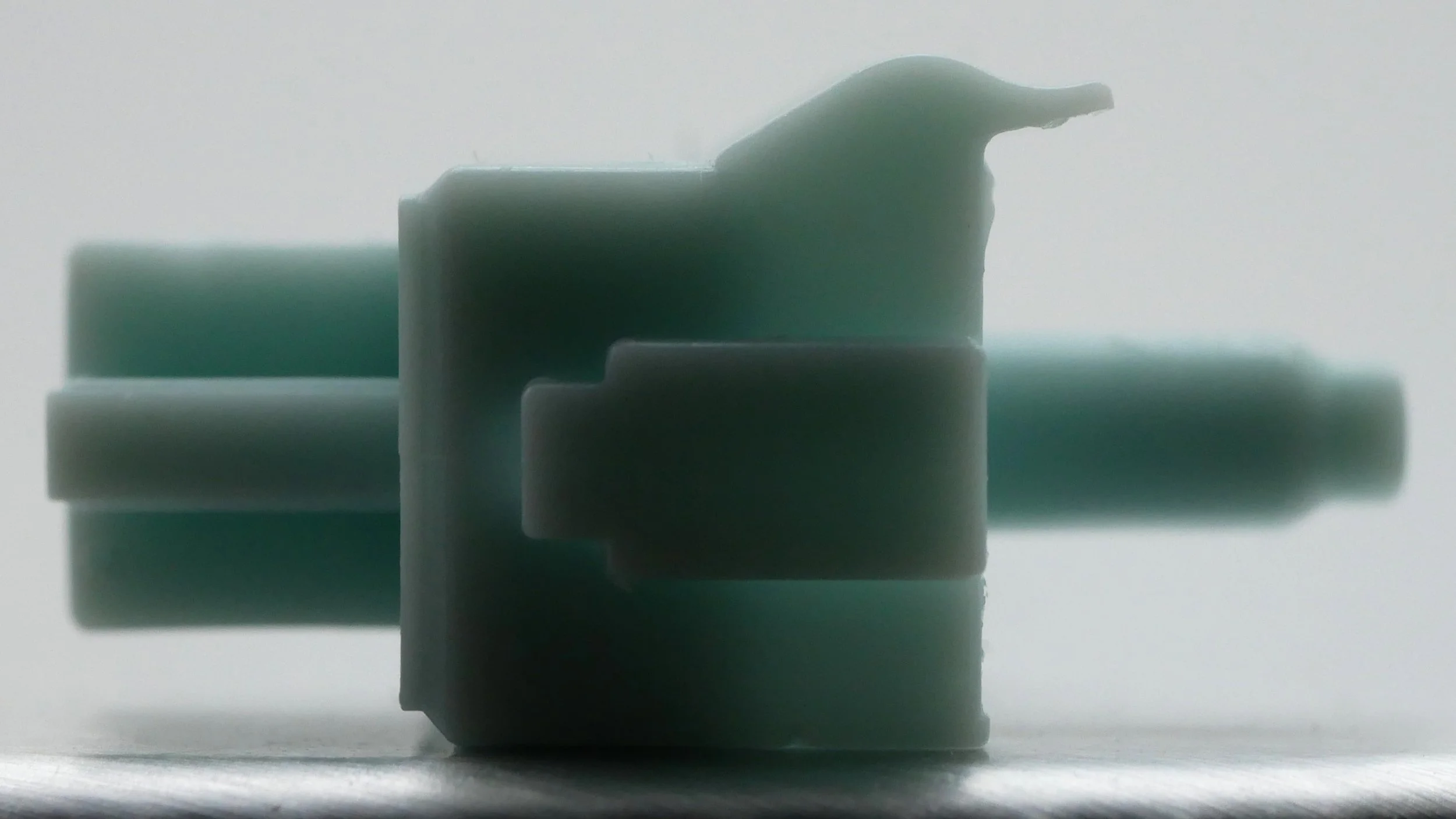
Figure 9: Side profile of the HMX Frog stems emphasizing the tactile bumps on their stem legs.
Finally arriving at the also pale, baby blue bottom housings of the HMX Frog switches, a lot of details are encountered that strongly overlap with other HMX-made switches such as those of the Akko Cilantro switches. These matching internal features include details such as a wide, medium sized south side spring collar, padding at the base of straight, untextured slider rails, and small amounts of factory lubing evenly spread about the housing. While at first glance these may almost appear to be identical, measurements taken between various portions of the Frog and Cilantro housings actually show them to be quite a bit different, and believably far enough apart to not be just due to production tolerances or even mold degradation between when the two were manufactured. Without having deeply inspected too many other HMX tactiles, it’s probably likely that these were largely based on a common set of tactile leaf supporting molds that HMX owns. (Or maybe they were stolen from KTT depending on what you think of the rumors about their supposed connection…) Externally the HMX Frog housings come only in five pin/PCB mount variety and feature a small, inverted numerical mold marking centered between the two metal PCB pins. Another feature which differentiates these from the similarly shaped and sized HMX-made Akko Cilantro bottom housings, as well, is their different ‘L’ and ‘Inverted L’ markings seen to the south side of the PCB mounting pins. Here in the Frogs, these markings are an ‘L’ and an inverted ‘L3’ on a matte finish different than the rest of the housings instead of being all one texture.
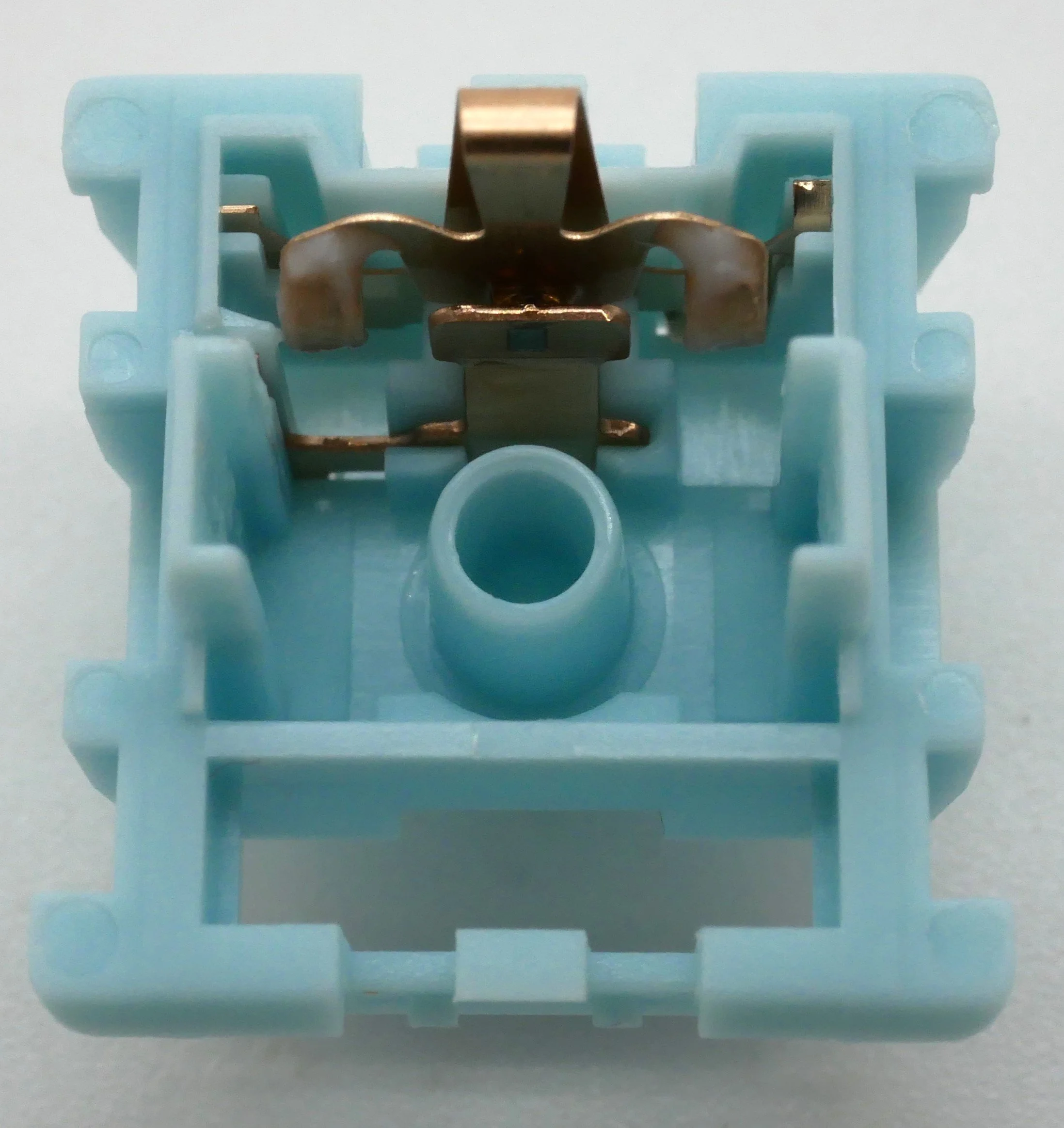
Figure 10: HMX Frog bottom housing interiors showing medium sized south side spring collar, plain guider rails, and trace amounts of factory lubing on the leaves where they contact the stem legs.
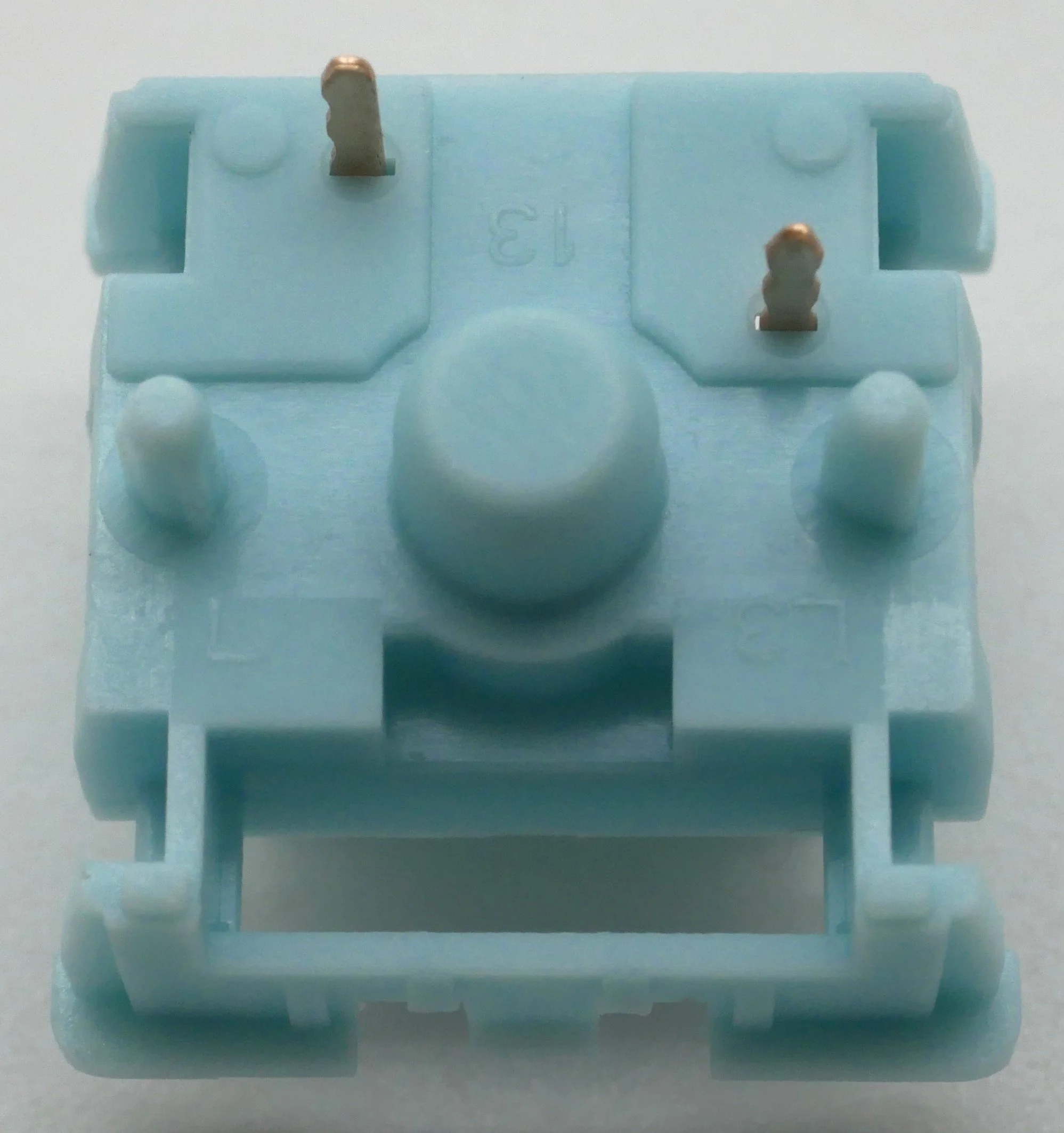
Figure 11: HMX Frog bottom housing exterior showing PCB mounting pins, inverted numerical mold marking between the metal PCB pins, and then two mold markings in the lower corners beneath the PCB mounting pins.
Push Feel
If I were a manufacturer that was seeking to break their way into the modern tactile switch market, I honestly would probably end up starting with something very similar to what HMX did here with the Frogs. While the truly teeth rattlingly aggressive tactility of the COVID era community bloom isn’t nearly as sought after anymore, people do still tend to enjoy tactiles that get running right out of the gate with noticeable feedback, an interesting bump size, and then round it all out with something interesting once the bump is over – a lack of linear region, a strange feeling bottom out, or just something else entirely. Here, the HMX Frogs start out with a mostly flat but ever so slightly snappy medium strength tactile bump that peaks at the start and unfurls, rolling throughout what feels like the remainder of their donwstrokes. The slight post-bump linear region that can be seen in their force curve below is almost entirely unnoticed during this back end of the tactile bump as the stem almost feels like it gets sucked directly into a slightly punchier, almost a bit sharp bottom out onto their stem pole ~3.6 mm. With a higher, more practical typing speed that isn’t just trying to savor each fraction of the downstroke, the Frogs become almost a one-two combo of punches that is the tactile bump jab and then the bottom out alternative hand. While this combo does tend to drift apart and feel less uniform with even faster typing speeds, it doesn’t drift nearly as far as some other modern day tactiles. While this all makes for a tactile that is perhaps a bit simplistic by the standards of tactile switches produced throughout 2025, and also a tad bit historically formulaic on behalf of HMX, it makes for a tactility that I think the majority of users would enjoy. Some minor issues are present here in the strokes of the Frogs that somewhat do attract from the feeling, such as spotty factory lubing and some switch to switch variation at all points throughout the stroke as a result of this spottiness, but on the whole they are still fairly well lubed and smooth therein. I should note, though, that this spotty lube feeling is especially noticeable at the stem/leaf interface where some switches pick up occasional squeaky or weirdly textured tactile bumps in some downstrokes
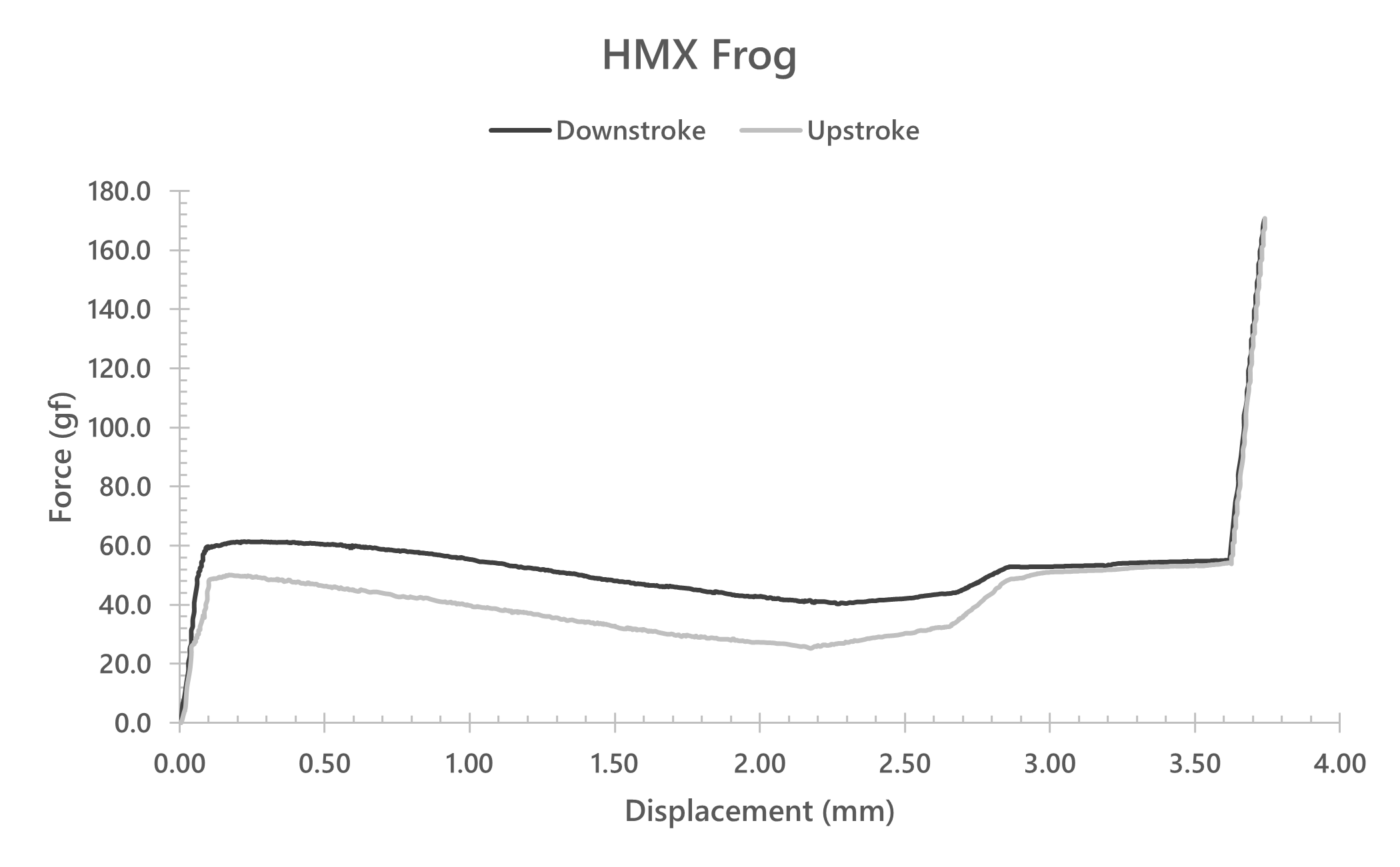
Figure 12: Force curve diagram for the stock HMX Frog switch.
Sound
While the HMX Frogs have a tactility that can fairly easily be described as a one-two punch underneath the fingertips, their sound profile hits the ears in an entirely different, more uniform fashion. Despite there actually being a subtly deep, almost bassy snap to the tactile bump itself when the switch is repeatedly only half-cocked for testing, at any sort of normal typing speeds bottom outs become almost inevitable and the sound that comes with them leads to that tactile bump snap melting into the background of the sound profile of these switches. Thus, under any reasonable typing speeds, the majority of the sound profile of the HMX Frogs is one of a rounded, yet still pointy and somewhat jab-like bottom out. Coming in somewhere between tapping a substantial pen on an equally substantial desk and the sound of a stapler stapling papers together, the bottom out sound of the Frogs is fairly loud, pointy on the ears, and with enough heft to make them not come across as thin, hollow, or even prickly. Outside of these two (or really one and a half) features of the Frog’s sound profile, though, there’s really not much else that strikes the ear. The average switch has a solid factory lubing jobs that makes the majority of the batch free from scratch sounds and consistently smooth throughout downstrokes and upstrokes. However, while the factory lubing is good at making the switches sound consistently smooth and scratch free, it does fail a bit at making the switches consistently uniform in their bottom out sounds. With about the same frequency of inconsistency as noted above in the push feeling section, the HMX Frogs also have switches that have bottom out sounds that come across significantly more dampened due to inconsistent factory lubing. When uncovered, this leads to switches sounding almost “dead” or silent tactile-like by comparison to the rest of the Frogs. While not drastic enough to force interested enthusiasts to buy double the amount of switches to find one set of evenly sounding Frogs, it is still potentially noticeable enough for some users to consider when selecting them for a build.
Wobble
Despite their modest spring weights, the HMX Frog switches have extremely little stem wobble in both N/S and E/W directions. Additionally, this metric is fairly consistent across the batch of switches that I received. While I’m sure there’ll be someone out there that could or would complain about such, no reasonable keyboard enthusiast (a bit of an oxymoron, I know) could really have an issue with these switches for wobble.
Measurements
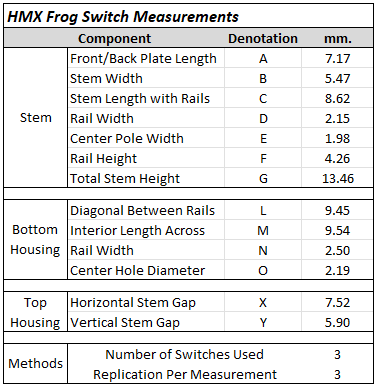
If you’re into this level of detail about your switches, you should know that I have a switch measurement sheet that logs all of this data, as well as many other cool features which can be found under the ‘Archive’ tab at the top of this page or by clicking on the card above. Known as the ‘Measurement Sheet’, this sheet typically gets updated weekly and aims to take physical measurements of various switch components to compare mold designs on a brand-by-brand basis as well as provide a rough frankenswitching estimation sheet for combining various stems and top housings.
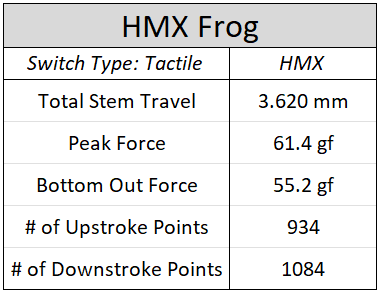
Figure 14: Numerical details regarding the force curve for the stock HMX Frog switches.
Have you ever wanted to be bombarded with more switch data than you’ve ever seen at any point in your life before? Consider checking out the ‘Force Curve Repository’ hosted on my GitHub that contains all force curves that I take both within and outside of these full-length reviews. In addition to having these graphs above, I have various other versions of the graphs, raw data, and my processed data all available for over 1500 different switches for you to use however you see fit. Check it out via the ‘Archive’ tab at the top of this page or by clicking any of the force curve cards above.
Break In
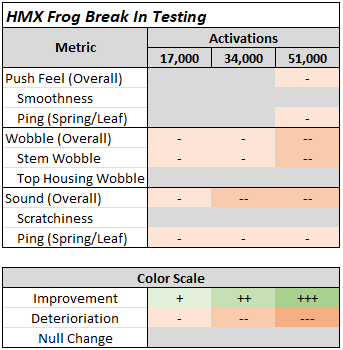
Break In Notes
17,000 Actuations
- Even after only 17,000 actuations, the HMX Frog switches begin to noticeably change as a presumed result of factory lube migration. This is most apparent in this batch of switches through their sounds as more and more switches begin to pick up stem leg/leaf ping that is apparent every time the switch is actuated.
- In addition to factory lube migration, there is a slight increase in both N/S and E/W direction stem wobbles of the HMX Frog switches broken in to 17,000 actuations.
34,000 Actuations
- At 34,000 actuations the noted changes in stem leg/leaf ping are further exacerbated in the HMX Frog switches, leaving those that are affected fairly drastically different sounding than stock or even the 17,000 actuation batches of switches. This is definitely to a degree that one would notice these differences between switches in board.
51,000 Actuations
- After 51,000 actuations, the HMX Frogs’ factory lube migration even begins to affect their push feeling, with switches also physically feeling scratchier and more consistently textured throughout their tactile bumps than the smoother, more effortless feeling of the stock switches.
- There is a final, subtle increase in N/S and E/W direction stem wobble in the HMX Frogs again after being broken in to 51,000 actuations.
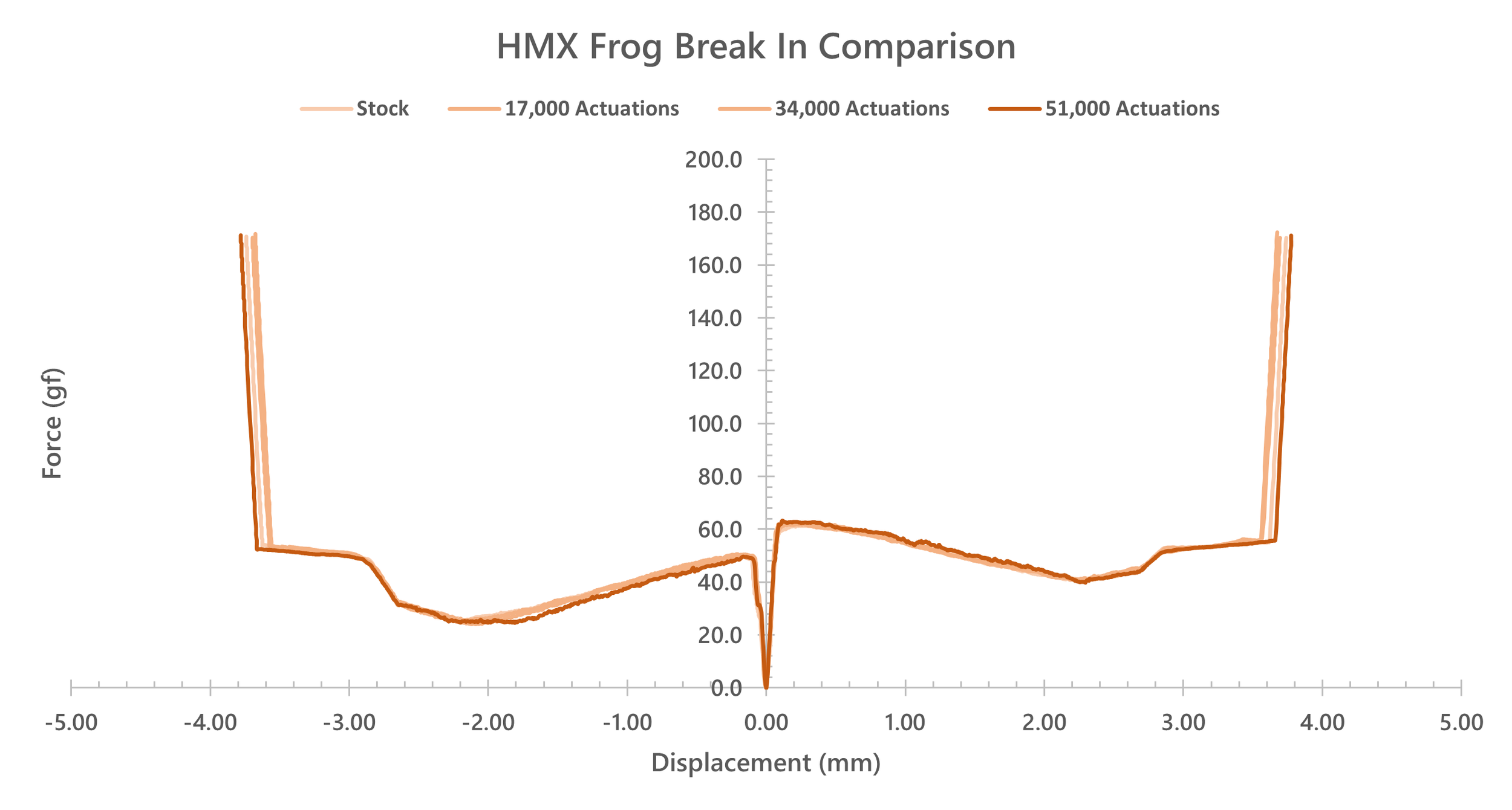
Figure 16: Comparative force curve diagram showing no substantial, consistent change in the force curves of the HMX Frog switches throughout the break in process.
Comparison Notes to Other Notable Tactile Switches
Note – These are not aimed at being comprehensive comparisons between all factors of these switches as this would simply be too long for this writeup. These are little notes of interest I generated when comparing these switches to the HMX Frog switches side by side.
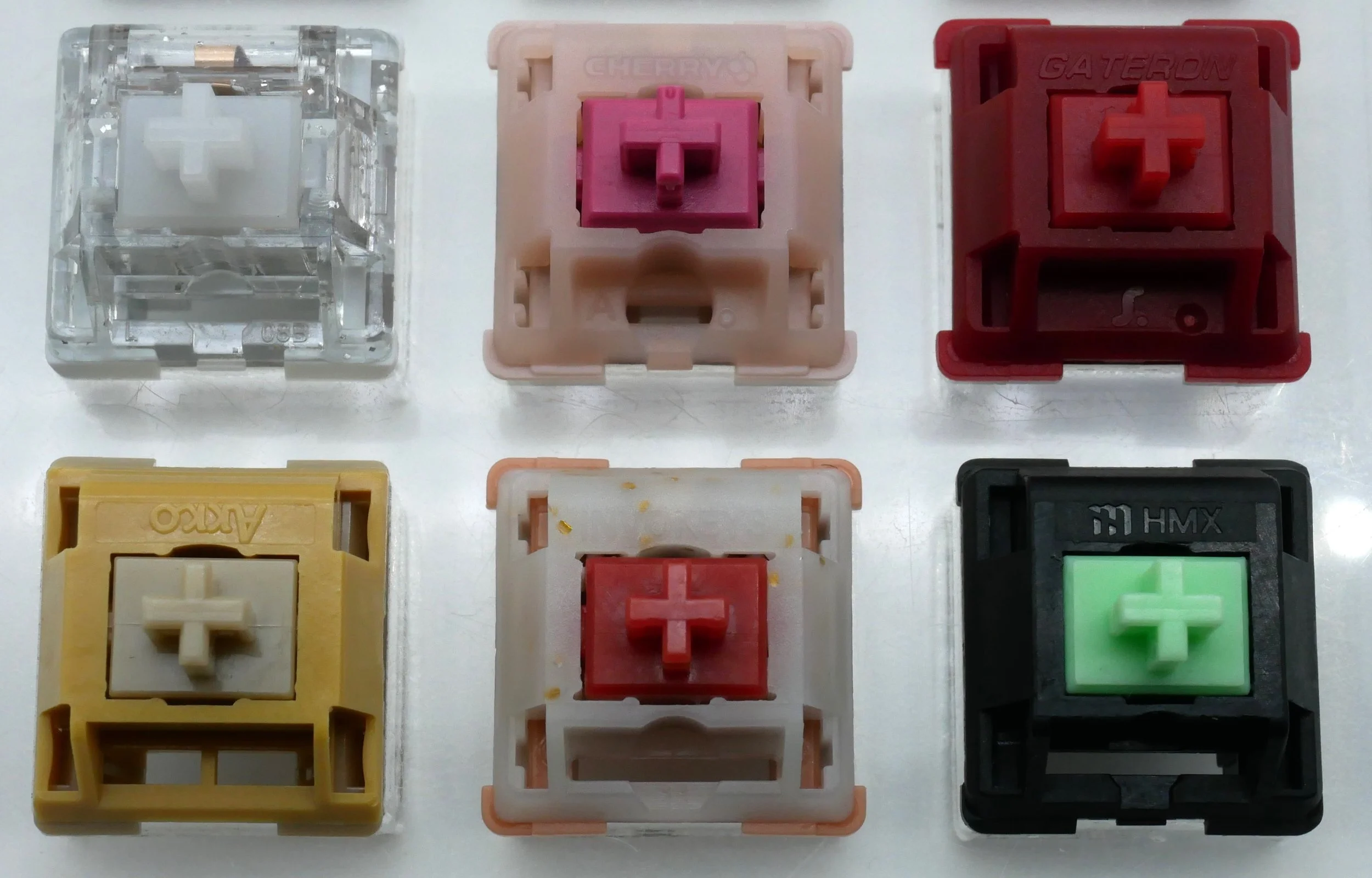
Figure 17: Switches for comparison. (L-R, Top-Bot: HMX Snowfall, Cherry MX Petal, Sillyworks x Gateron Type R, Akko Bittersweet, Invokeys Goji Reserve, and HMX Longjing S)
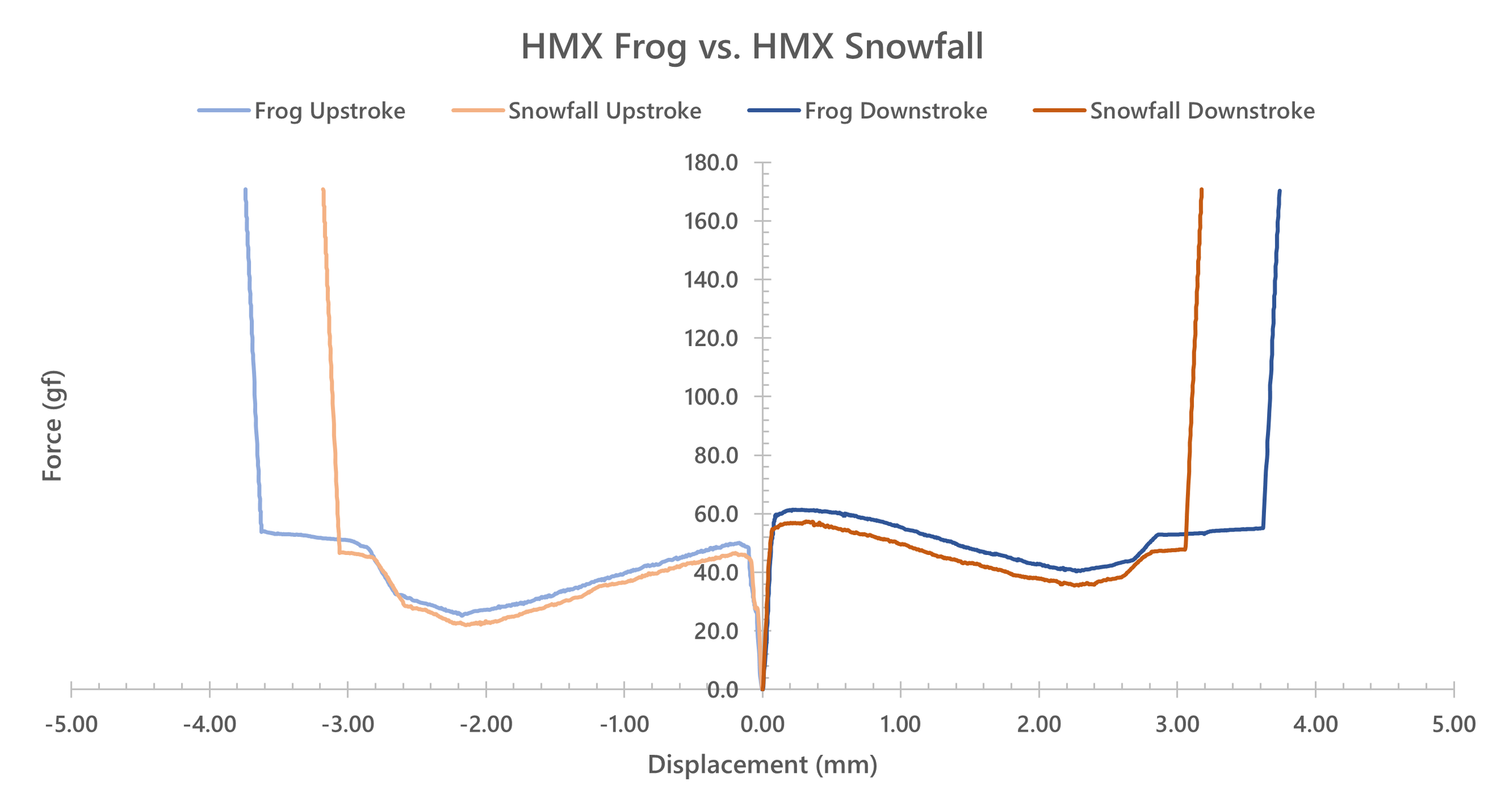
HMX Snowfall
- There is a fairly similar amount (or really lack of) stem wobble in both N/S and E/W directions of both the Snowfalls and the Frogs, though I could swear the HMX Frogs are just the tiniest bit better than the Snowfalls on this metric.
- Despite having extremely similar tactility and overall strokes as one another, the HMX Snowfalls are quite noticeably sharper and more pointed at their bottom out than the Frogs which gives them more of a ‘bottom heavy’ feeling to their overall presence than the Frogs.
- While the HMX Frogs are quieter than the Snowfalls on account of not having as aggressive of a stem pole bottom out, they are a bit more inconsistent at the point of bottom out as a result of their factory lubing than the Snowfalls. This is very likely a clear example of just how much HMX’s factory lubing techniques have improved over the course of the past 10 or so months between when these two switches were released.
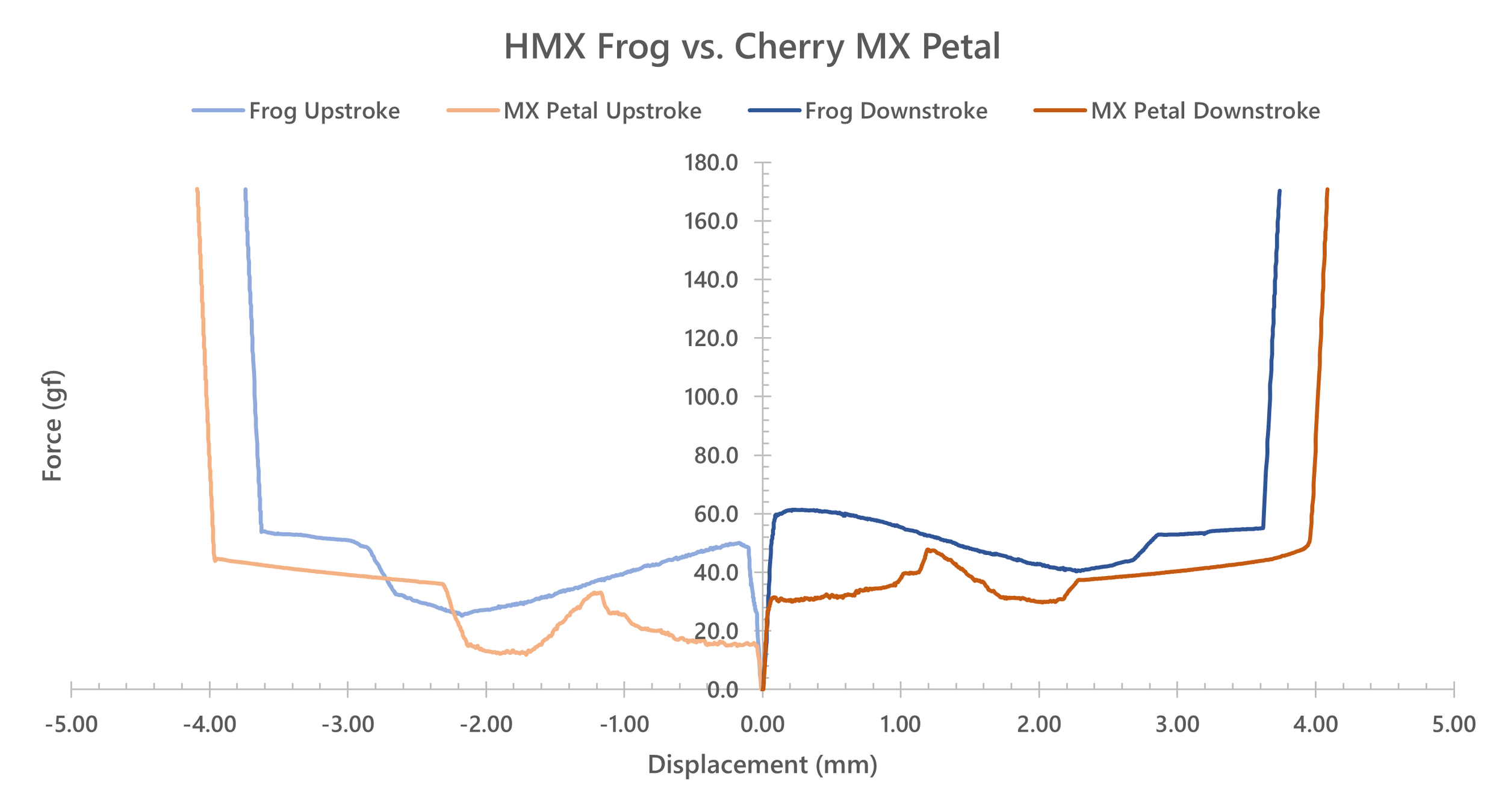
Cherry MX Petal
- There is significantly less N/S and E/W direction stem wobble in the HMX Frog switches than in the Cherry MX Petals, even in spite of the MX Petals being manufactured on Cherry’s MX2A platform.
- In terms of push feeling, these two tactiles are extremely diametrically opposed, with the MX Petals having a quick, centered-in-downstroke ‘blip’ of a tactile bump whereas the HMX Frogs have a larger, more winding, and overall stronger tactile bump that punches right out of the gate. Even the bottom outs are different here, with the shortened stem travel of the HMX Frogs giving them a punchier, more firm feeling than softer, more dampened bottom outs of the MX Petals.
- The overall sound of the HMX Frog switches may be a bit louder than the Cherry MX Petals, though it is on average more clean and crisp sounding. Whereas the HMX Frogs largely suffer from switch to switch inconsistencies in tone caused by differences in factory lubing, the MX Petals are more consistent and consistently suffer from scratch throughout their strokes.
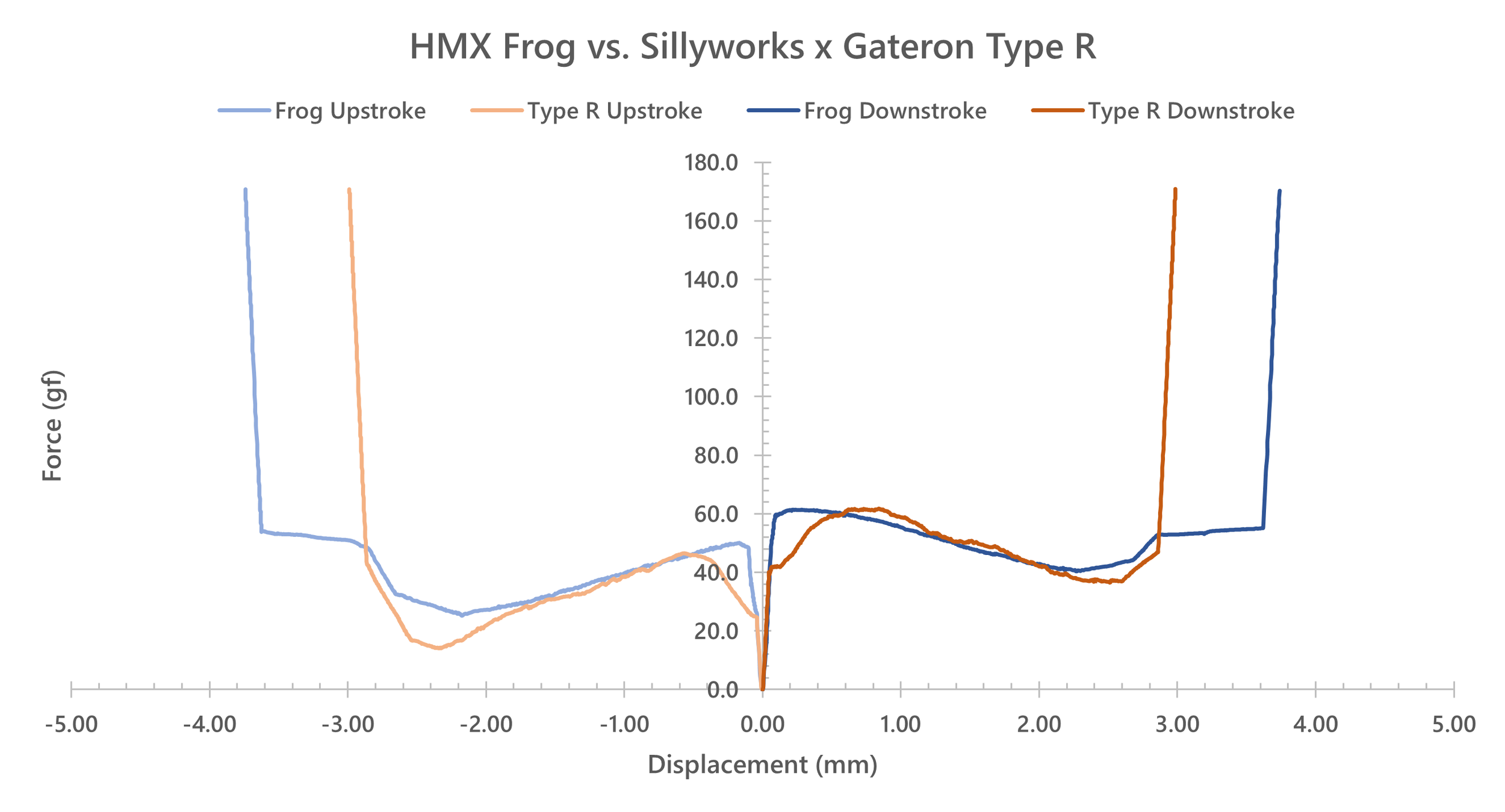
Sillyworks x Gateron Type R
- While these two switches are comparable insofar that they both have tactile bumps that punch towards the top end of their downstrokes, the fact that the Type R’s bump ramps up to its peak as can be seen in the comparative force curve below makes them feel slightly more hefty and punchy than the HMX Frogs despite having relatively similar peak tactile forces.
- Additionally, the Type Rs are both audibly louder and physically harsher feeling at their bottom out than the HMX Frogs – something both likely due to the even shorter stem travel distance as well as the more abrupt change in force of the Type R’s than in the HMX Frogs.
- Despite being among Gateron’s better premium switches produced throughout 2025, the Sillyworks x Gateron Type R switches have more stem wobble in both N/S and E/W directions than the HMX Frogs.
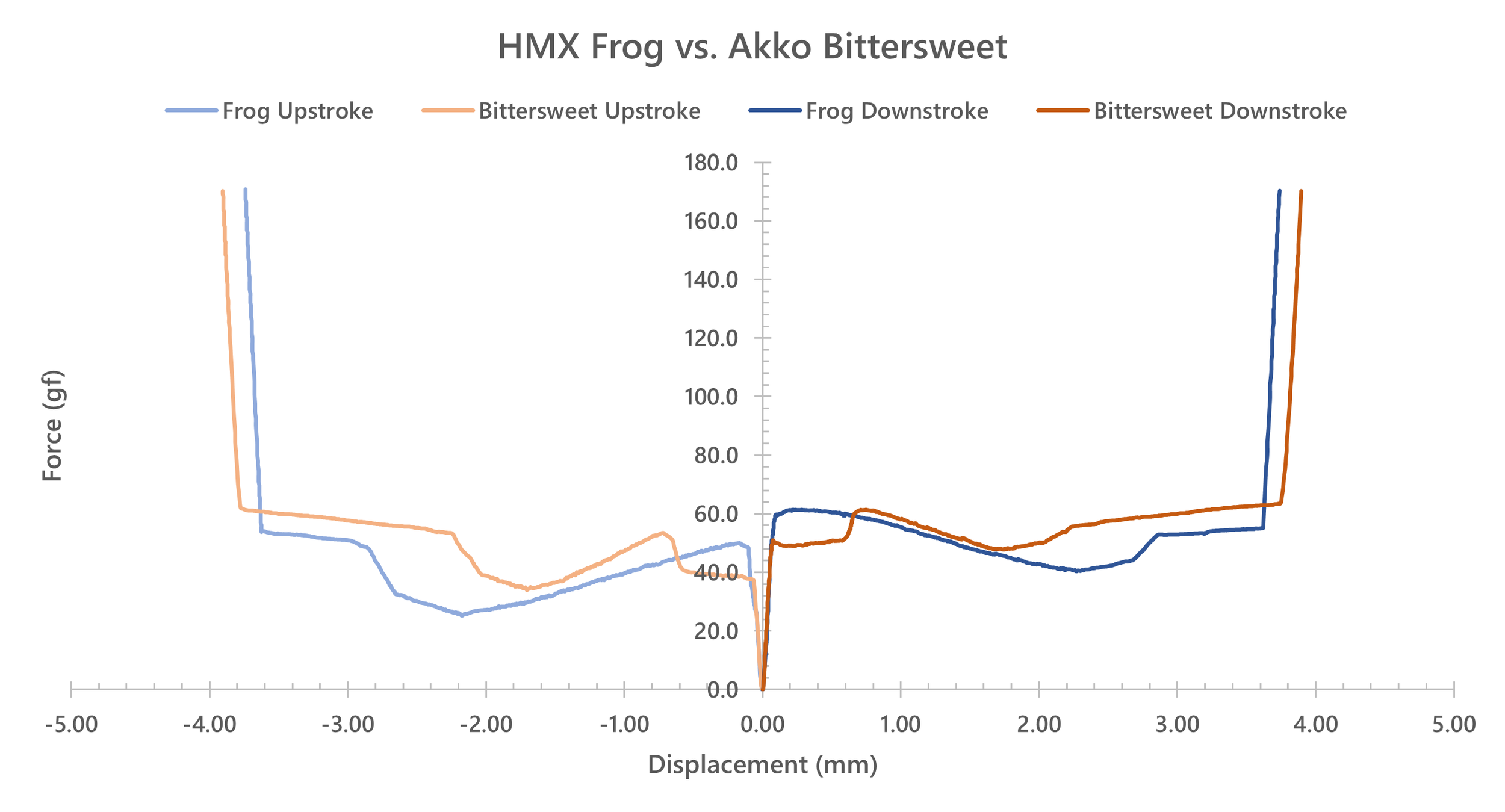
Akko Bittersweet
- Much like with the Type R comparison above, while the Akko Bittersweet and HMX Frog switches have very similar overall peak tactile strength as one another, the differences in how they get to that peak tactile strength makes them feel substantially different. The Frogs just feel wider, larger, and more overwhelming than the comparatively smaller, softer tactility of the Bittersweets.
- There is less stem wobble in the N/S and E/W directions of the HMX Frog switches than there is in the Akko Bittersweets.
- Comparing the sound profiles of these two switches, the HMX Frogs are louder, more well rounded in their tones, and more free of errant noises like scratch than the Akko Bittersweet switches. However, the Akko Bittersweets do not really suffer from the same switch-by-switch inconsistencies as a result of their factory lubing unlike the Frogs.
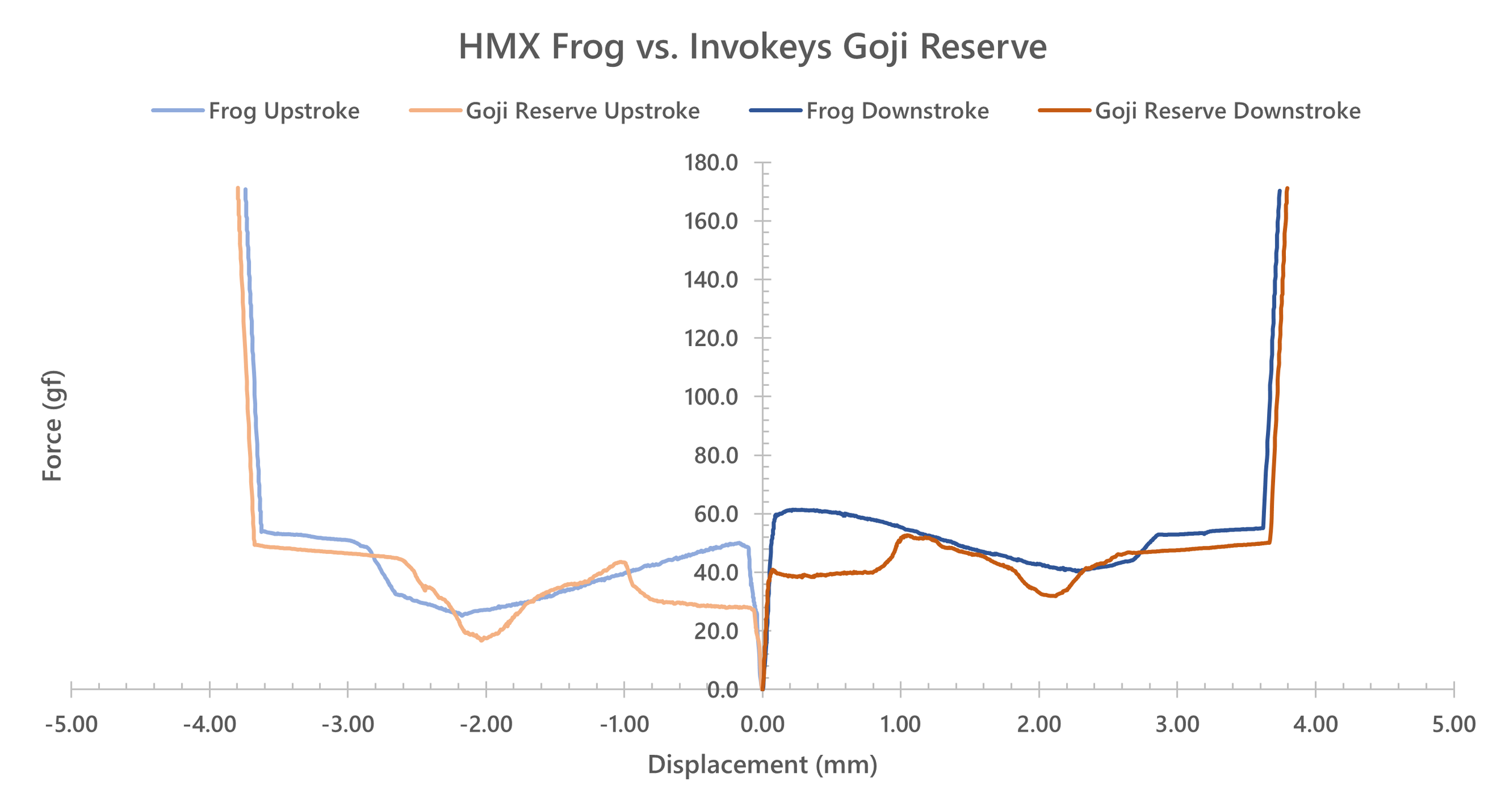
Invokeys Goji Reserve
- While the Invokeys Goji Reserve’s bottom outs are ever so slightly more muted and less sharp than the HMX Frog switches, surprisingly the bottom outs of the Goji Reserves feel the most similar to the Frogs of any of the switches on this comparison list.
- Of all of the switches on this list, the Goji Reserves are about the furthest from the HMX Frogs in terms of their overall sound profiles. Ever so slightly scratchy in their tones with a slight shuffling tone, the Goji Reserves are quieter, subdued, and significantly more dampened at both of their housing collisions than the louder and more punchy sounding HMX Frogs.
- There is quite a bit less stem wobble in the HMX Frog switches than there is in the Invokeys Goji Reserve switches.
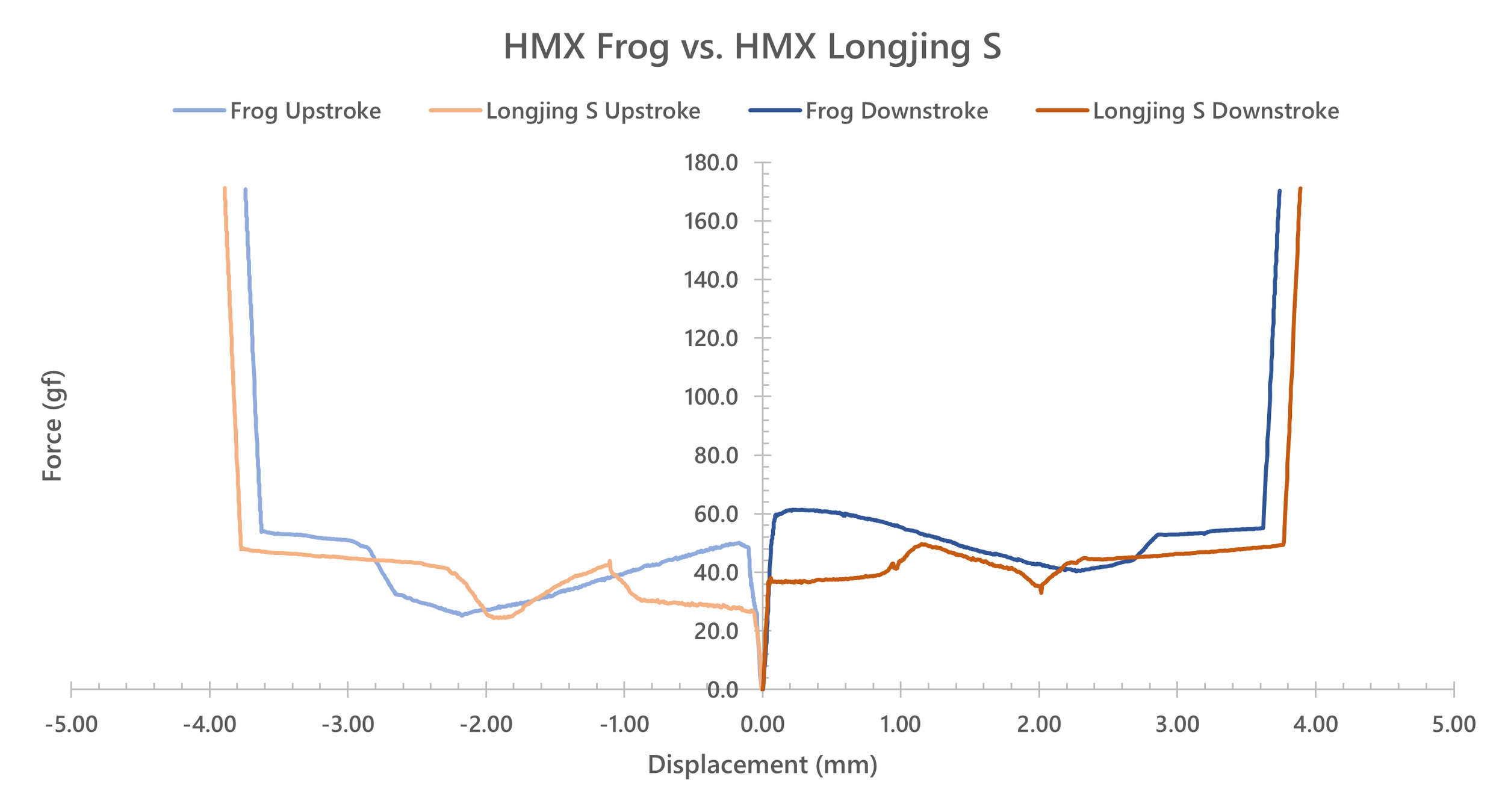
HMX Longjing S
- The tactile bump of the Longjing S switches, much like the Cherry MX Petals and Akko Bittersweets above, is one that is much more small, subtle, and soft feeling than the larger, more strong tactile bumps of the HMX Frogs.
- Likely as a result of the lighter spring weight used in the HMX Longjing S switches not being able to as firmly hold the stems into the top housings when at rest, the Longjing S switches have slightly more stem wobble in both N/S and E/W directions than the HMX Frog switches.
- Despite having been released nearly a full year apart from one another, and with all the room for HMX to improve their factory lubing processes in between, both the Longjing S and Frog switches both suffer from inconsistent bottom out sounds as a result of this. Whereas the inconsistencies in the HMX Frogs causes some of them to deaden, the affected Lonjing S switches sound ‘tacky’ or ‘sticky’ through some strokes.
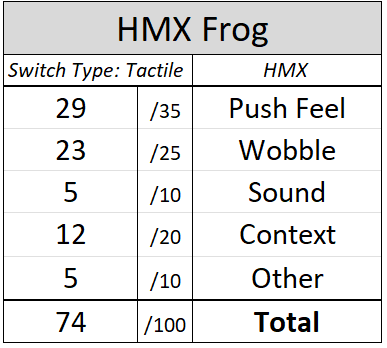
Scores and Statistics
Note – These scores are not necessarily completely indicative of the nuanced review above. If you’ve skipped straight to this section, I can only recommend that you at least glance at the other sections above in order to get a stronger idea of my opinion about these switches.
Push Feel
Starting at the very top of the downstroke with a medium-strong, ~62 gf tactile peak, the HMX Frogs very quickly unfurl throughout their shortened travel distance to land into a pointed and somewhat rounded stem pole bottom out that gives these switches a one-two punch combo of hits. While the factory lubing in the HMX Frogs does a solid job of keeping the switches scratch free across the board, some inconsistencies present do make the tactile stem leg/leaf interfaces in some switches feeling more textured than others at times.
Wobble
There is extremely little N/S and E/W direction stem wobble in the HMX Frogs with absolutely no reasonable keyboard enthusiast being likely to have an issue with such.
Sound
On the whole, the HMX Frogs are medium-loud volume tactiles whose sound is almost entirely their stapler-like rounded and pointy bottom outs. While the tactile bumps, themselves, do have a bit of a bassy snap sound to them, any normal typing speeds see users completely blow past this and effectively melt these sounds into the backdrop of the stem pole bottom outs sounds. It should also be noted that some factory lube inconsistencies are noticeable in the sound of the HMX Frogs as well, with some switches having ‘deadened’ bottom outs fresh out of the box.
Context
Priced at $0.52 per switch as part of the continued ‘Animal Family’ of releases with Kinetic Labs, the HMX Frogs had a strong backing as HMX’s first tactile switch but were not nearly as overwhelmingly received as Kinetic Lab’s other previous releases on account of an incredibly competitive and uniquely interesting tactile switch market in 2025 when these were released.
Other
While notable as being HMX’s first tactile switches ever, in time these have moved a bit into the shadows of more contemporary medium-strong HMX tactiles like the Cilantros and Firecrackers.
Statistics
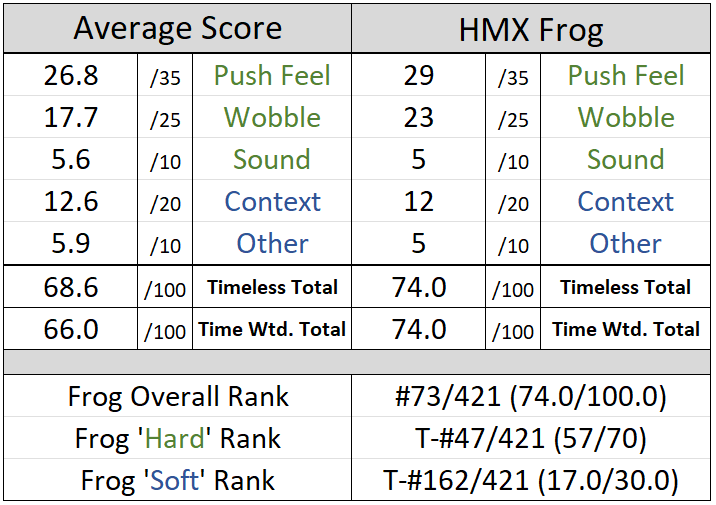
If you are looking at this statistics section and wondering what the heck ‘Timeless’ and ‘Time Weighted’ scoring is, consider checking out my short article titled ‘A Scorecard Time Change’. As a result of scoring becoming a bit anachronistic over the years, switches are now ranked in this statistics table using a “time weighted total” as opposed to their day-of scoring as discussed in that article. If you’d also like to learn about what ‘hard’ versus ‘soft’ ranks refer to specifically, I’d encourage you to head on over to my GitHub linked in the table above or at the links in the top right hand of this website to check out my database of scorecards as well as the ‘Composite Score Sheet’ which has a full listing of the rankings for each and every switch I’ve ranked thus far.
Final Conclusions
While it did ultimately take quite a bit longer to get around to than I had initially planned, at this end of the review I am pretty glad I did sink the time into reviewing the HMX Frog switches eventually. On the whole, and completely devoid of the broader context they exist in, they’re decently strong first time tactile switches from a manufacturer like HMX that had not up until the point of release of these switches ventured out that far. The Frogs hit a lot of the broader appeal points sought after by users by having a medium-strong tactile bump that hits right out of the gate, a noticeable but not overly aggressive nor sharp bottom out, and fairly good factory lubing throughout the batch. Like all good first attempts by most manufacturers, though, these switches aren’t without their faults. In addition to breaking in quite a fair bit worse than other HMX switches that they’ve made in the months following the release of the Frogs, the inconsistencies in factory lubing from switch to switch do give a bit of a pause, whether its noticed in the feeling of the stem leg/leaf roughness or audibly heard in the deadened bottom outs of some switches. Folding in the content surrounding these and the fact that they were not only HMX’s first foray into tactile switches but also a continuation of Kinetic Labs’ Animal Family of switches, all of which is done at a fairly reasonable price point as well, tells an especially intriguing yet brief tale. The success of these, while largely limited to close to their release, definitely seems to have been well received enough for HMX to continue into tactility as well with over a dozen different releases spanning quite a few niches of tactile switches being taken on by them throughout the tail end of 2025. However, with the competition posed by these more contemporary HMX releases that are close analogues of the HMX Frogs, such as the Cilantros and Firecrackers, as well as the competitive landscape of tactile switches that persisted throughout 2025, the Frogs ultimately have not ended up nearly as popular or as sought after as I would have assumed they would be when I first saw their announcement. So despite me reaching quite far back into the past for a switch review by my standards, and picking over a couple of more attention catching, community-discussed switches in doing so, the chance to see how far HMX has progressed with their tactiles in seeing how it all started with the HMX Frogs was well worth the stretch. It certainly does make me ponder a bit as to what the HMX Frogs might have turned out like if the 2025 tactile switch market had ended up differently and if the trajectory we’re heading towards with slowed western markets into 2026 was pointed elsewhere as well.
Sponsors/Affiliates
Mechbox UK
- A wonderful UK based operation which sells singles to switches that I’ve used above in my comparisons for collectors and the curious alike. Matt has gone out of his way to help me build out big parts of my collection, and buying something using this link supports him as well as my content!
KeebCats UK
- A switch peripheral company based out of the UK which sells everything switch adjacent you could ask for, they’ve been a huge help recently with my film and lube supply for personal builds, and they want to extend that help to you too. Use code ‘GOAT’ for 10% off your order when you check them out!
proto[Typist] Keyboards
- An all-things keyboard vendor based out of the UK, proto[Typist] is a regular stocker of everything from switches to the latest keyboard and keycap groupbuys. While I’ve bought things from the many times in the past, they also are a sponsor of my work and allow me to get some of the great switches I write about!
Divinikey
- Not only do they stock just about everything related to keyboards and switches, but they’re super friendly and ship out pretty quick too. Divinikey has been a huge help to me and my builds over the last year or two of doing reviews and they’ll definitely hook you up. Use code ‘GOAT’ for 5% off your order when you check them out!
ZealPC
- Do they really need any introduction? Zeal and crew kicked off the custom switch scene many years ago with their iconic Zealios switches and the story of switches today couldn’t be told without them. Use code ‘GOAT’ (or click the link above) for 5% off your order when you check them out!
MechMods UK
- A rising vendor based in the UK, Ryan and crew have been a pleasure to work with and have nearly everything you’d need to build your first or fourteenth keyboard. Go build your latest or greatest one right now with them by using code ‘GOAT’ at checkout for a 5% discount!
Dangkeebs
- A longtime supporter of the website and the collection, Dangkeebs has quite possibly the widest variety of switches of any vendor out there. Not only is their switch selection large, but it rotates and is constantly adding new stuff too. You’re going to need 5% off your order with my affiliate to save off the cost of all those switches!
SwitchOddities
- The brainchild of one my most adventurous proxies, SwitchOddities is a place where you can try out all the fancy, strange, and eastern-exclusive switches that I flex on my maildays with. Follow my affiliate code and use code ‘GOAT’ at checkout to save 5% on some of the most interesting switches you’ll ever try!
Cannonkeys
- Does anybody not know of Cannonkeys at this point? One of the largest vendors in North America with keyboards, switches, keycaps, and literally everything you could ever want for a keyboard always in stock and with an incredibly dedicated and loving crew. Follow my affiliate link above in their name to support both them and I when you buy yourself some switches!
Kinetic Labs
- One of the most well-rounded keyboard vendors out there, Christian and crew have been supporters of all my switch and switch-adjacent needs for some years now. I’m honored to have them as an affiliate and think you should check them out using my affiliate link above to support both them and I when you check out their awesome products!
Keebhut
- Want to try out some switch brands that fly under most vendor’s radars? Keebhut is always seeking out that next latest and greatest and has been super helpful in hooking me up with new brands over the past year. They are all about sharing that love as well, and want to give you 5% off your next order with them when you use code ‘GOAT’ at checkout!
Kailh
- No, you’re not mistaken – this is actually that Kailh that manufactures switches. As one of the longest running manufacturers in the hobby, they have a massive variety of switches available over on their website at any point in time. I’m lucky to be affiliated with them now, and so consider using my affiliate link above when ordering some Kailh switches to support me!
Keebz N Cables
- Australia and Oceania’s very own is now a part of the sponsor list here and I couldn’t be happier to add this long time supporter of the collection to it. They’ve always got an amazing selection of switches (and other keyboard parts) in stock and they want to share the love that they’ve shown me with you all too! Use code ‘thegoat’ for 5% off your first order when you visit!