Gravastar UFO Purple Switch Review
Those of you who follow me over at Instagram and (the social media company formerly known as) Twitter will likely have saw what would have been this very review’s announcement slot get commandeered by a brief delay to this weekend because of a french drain that I was in the process of installing in my back yard. It wasn’t an illness, nor was it a delay due to some unforeseen act of God, but rather just a significantly more laborious and effort requiring home maintenance endeavor than I could have ever possibly anticipated in the weeks and months leading up to such. While this convenient opportunity to push the review back to this date did ultimately end up helping me out twice over as I would have had to bounce a review around Keycon here coming up next weekend, I truly didn’t plan for the french drain to be the reason for my delay at all and I truly had no idea what I was in for. Have you ever dug a french drain before? How about one that is 50 feet long, with less than 5 feet of lateral space to do so, in solid clay ground, and while ripping around and through a previously failed system that was put in the very place you are digging by the previous owner? Tossing a couple of tons of river rock off of and back onto that drain as well as buying a couple more tons to haul, unload, and put into that drain, it turn out, is not just something one does for a couple of hours each work day and then casually comes inside to work on switch reviews or content at night. Instead, it results in incredibly long, 8-hour plus manual labor days punctuated by long nights of sore backs, destroyed arms, and just kind of laying there in bed, wallowing in the dread and anxiety of all the manual labor that had to be done the next day. Thankfully, though, I can report that as of the time of publishing this review it is entirely completed with almost every single part of it cleaned up, thrown away, or put back in its rightful place shovel full by shovel full. It didn’t even cost me any of my sanity either, for what it’s worth, as I hardly had any left ot begin with!
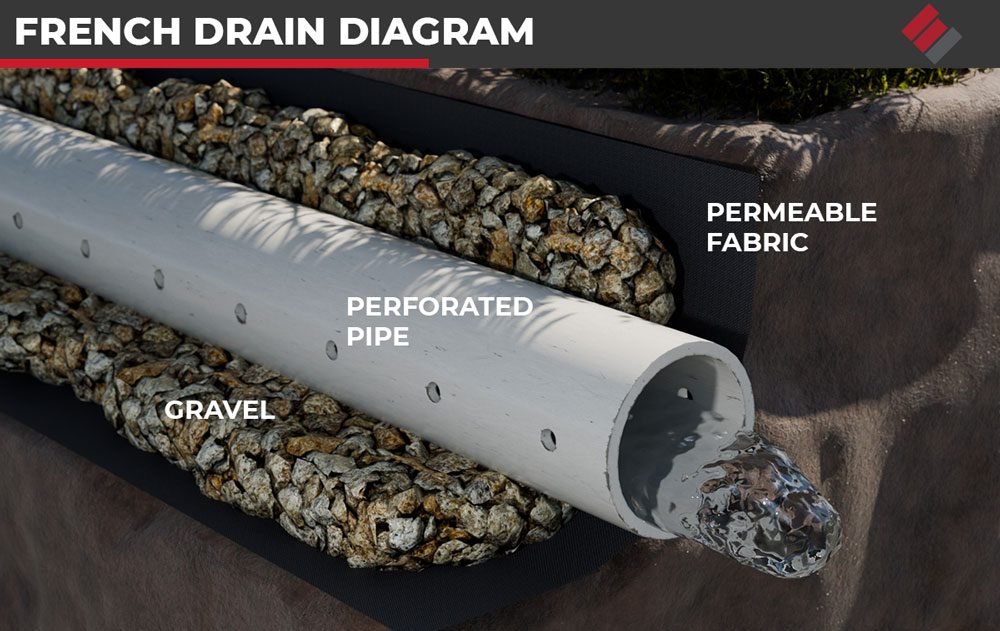
Figure 1: A great diagram for those of you who aren't homeowners, have proper downspouts, or just don't live in places with weird house design choices like I do!
Switch Background
As I’m sure I’ve said before at least one time over on this website, one of the most underrated features of modern mechanical keyboard switches is their overall aesthetic and just how far the aesthetic envelope has been pushed in recent years. Long gone are the days of switches being just ROYGBIV-colored stems inside of full black nylon housings – these days switches are liable to come in any color, shape, size, and even with special one-off markings and ultra high detailed logos or images at nearly any price point from mild to wild. While I am of course a bit biased on this take because I personally love and collect switches, I have really come to find the classic argument posed regarding the pointlessness of aesthetics in switches that “they don’t really matter because nobody is going to see them once they are in a keyboard build anyhow” kind of funny. Switches are as much a product to be ogled at online, consumed and collected like the rest of custom keyboard parts, and appreciated all the same. Sure, you may not see their specific colorway, patterns, or designs beneath a set of classic GMK WoB keycaps, but it couldn’t possibly feel any cooler than it does right now to pull a keycap off of any given keyboard and show off your favorite special set of switches to someone. To this end, I’ve chosen quite a few switches over the years to review specifically because of their aesthetic appearance and novelty within the MX footprint and hardly their physical performance at all. Such examples include unique looking switches such as the Huano Hi/Fi linears, TTC’s OG Tigers, the triangular Gateron Magnetic Jade Delta Darks, the entire gold flake laden Invokeys Goji lineup of switches, Diamond Avalons, and quite a few others too. While companies like Invokeys and manufacturers like TTC have really done well to push the limitations of their aesthetic design and visual capabilities within their switches, it really has all been accomplished within the somewhat limiting constraints of the MX footprint. Irrespective of whatever convoluted printing process is used, or whatever special material inclusions are pushed into the switch housings at random, the switches themselves still have to fit inside a roughly 14-mm wide square, have to have a pair of external metal PCB pins that fit into a circuit board, and an even larger space left open inside of the switch to house the remaining twisted metal that comprises those leaves. While there have been some exceptions to these rules that have pushed these vague but still very real limitations in switch designs over the years, these still are generally the rule rather than the exception. Any desire to step outside of the appearance limitations of these requirements almost necessitates a move to non-conducting switch technologies that don’t rely on metal PCB leaves.
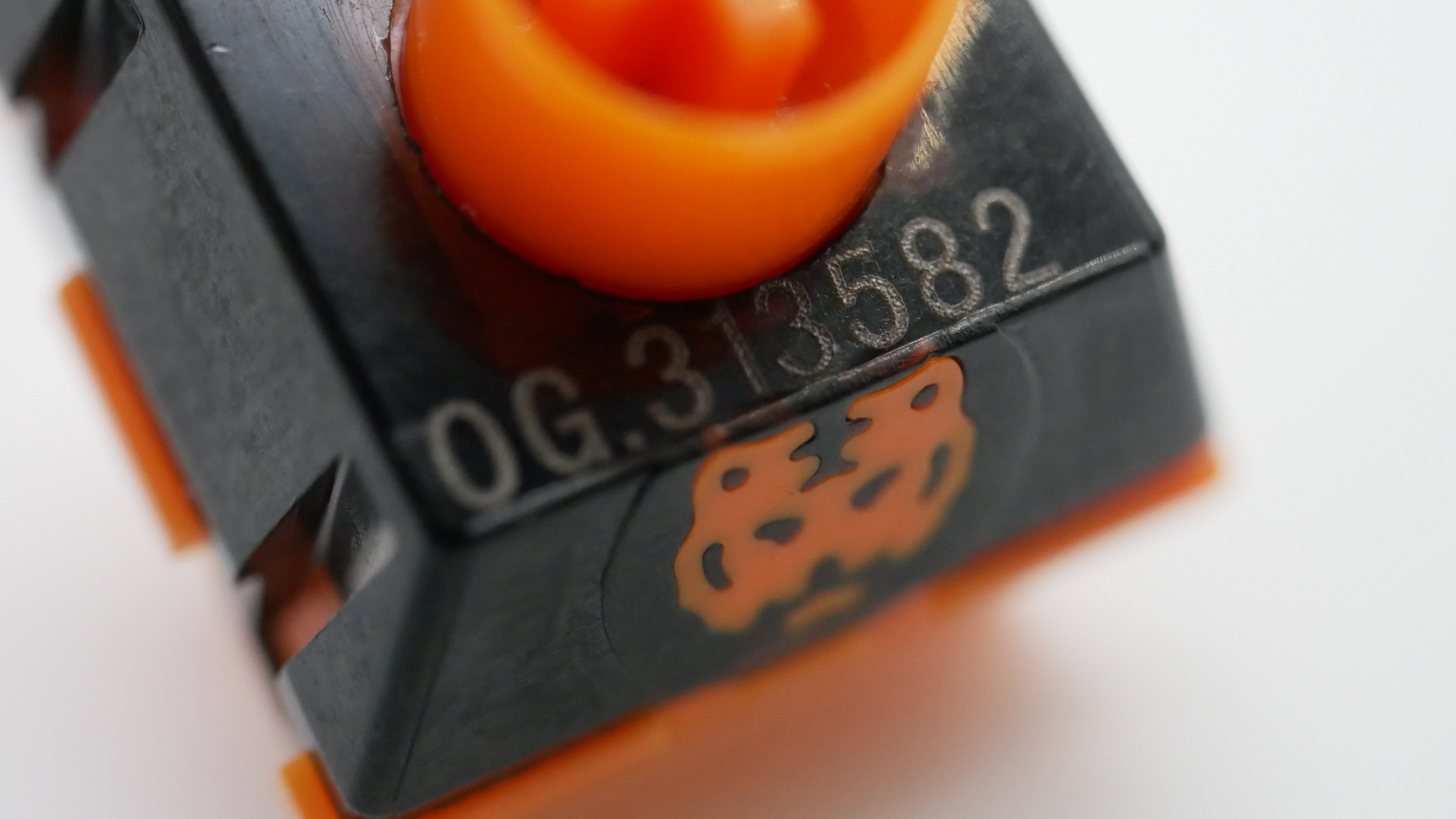
Figure 2: I know that the TTC OG Tigers are effectively ancient news by this point in time, but the original OG serial numbering and inlaid color-matched tiger logo still genuinely blows me away to this day.
While far from just a pursuit of aesthetic nuance and novel separation from the bulk of the modern MX switch crowd, many manufacturers and brands have begun pushing this envelope and moving outside of the classic MX mechanism. Switches like the Gateron Lanes and Harmonics saw the resurrection of Alps-like click leaves in modern MX switches while more boxy, larger switches such as the Zeal 3-in-1 Clickiez brought in an entirely modular leaf design not all that dissimilar to the ProWorld Black switches from decades before them. The limitations don’t just stop there to click leaves either – we’ve seen an even larger flurry of manufacturers and switches pivoting towards Hall Effect (HE) style, magnetic sensing mechanisms rather than the classic conduction of the MX footprint. It turns out that while old dogs can’t learn new tricks, newer dogs definitely can learn old ones; Companies like Gateron, Grain Gold, TTC, and nearly a half dozen others have came out with HE switches of their own to try and corner this new, very rapidly growing keyboard switch market. However, despite stepping outside of the physical limitations that once inhibited the old MX style platform and the spaces required to house their massive switch leaves, the vast majority of these dozens upon dozens of HE-style switches look a fair bit like their classic MX-style inspirations. Likely due to some unknown combination of a familiarity in design language, a desire to be compatible with as many existing part standards as possible, and also wanting to reduce R&D costs to move from the MX platform to HE style switches, most manufacturers have opted for HE switch designs that are almost indecipherably different from their MX counterparts at a distance. Few have really leveraged the full freedom in housing design flexibility and variability that can be achieved in the ~14-mm wide cube of the MX platform and none of the space requirements for anything except a stem – with a few notable exceptions such as the K2-made WS Flux HEs and the Gateron-made Magnetic Jade Delta series. Generally, though, all of these HE switches look a bit too much like their MX switch counterparts for comfort. That is at least until about six months ago with the debut of the Gravastar UFO Purple switches.

Figure 3: Gravastar UFO Purple switch render and some functionality details from a Gravastar marketing render.
Gravastar, a relative no-name company in the modern mechanical keyboard space, prebuilt or otherwise, rounded out 2025 with arguably one of the single most aesthetically unique modern mechanical keyboard switch designs that has been released in the last decade. I don’t know how I could have not written something about them eventually. Rather than maximizing for sheer performance and an under-finger feeling that delivers an absolute highlight real of the HE mechanism like most other HE-switch peddlers seem to be pushing for – something which would have also been the modus operandi of ‘vintage’ manufacturers of Hall Effect switches like RAFI when they were manufacturing switches back in the 1980’s – Gravastar stripped a switch down to its bare essentials and maximized purely for aesthetic and design uniqueness surrounding a simple up-and-down sliding magnet-bound stem. The result is a switch that is truly as out of this world as its name implies. The Gravastar UFO Purples feature a round top housing, a circular centered stem, and an equally flared bottom housing that connects to the top housing in bits and stretches to form a truly oblate saucer-like structure that couldn’t really be anything other than a gamer stylized UFO in shape. Without a clear indication in any capacity of just what manufacturer took on this design challenge either, or really any marketing to tease their arrival prior to their launch date a handful of months ago, these switches are just about as unproven and barren of substantial details as actual r/conspiracy threads on Reddit posting about “the Greys” or flying saucers. (It should be noted though that in one promotional video for the assembly of these switches that it does appear that they were at least assembled in a factory that has handled switches before, though based on the background of the Novelkeys Classic Blue Switch Review, this hardly means their parts had to have been injected there, though.) All of this effort, by the way, was carried out by Gravastar specifically for some overly plasticky and prebuilt gimmick keyboards that don’t appear to have nearly as much effort put into their design and execution as the switches themselves. First discovered all the way back in October of 2025, the Purple variant of the UFO switches were soon after followed up by a Grey/Silver/White colored variant a couple of weeks later and a flood of community interest in discussion following their unique forms in the months after. Wanting to not stop there, though, and take anything less than a full step and a half over the line of aesthetic modesty, the success of these switches and the community excitement surrounding them saw Gravastar double down in mid-2026 to release a newer, even more aesthetically extreme variant of hteir UFO switches – pink “UFO Buttiful” switches with “peach” shaped LED diffusers. That’s right, we as a community got alien ass (or would it be ‘Asslien’?) linear Hall Effect switches with incredibly complex and unique molds before someone decided to take on a reasonably successful tactile or clicky Hall Effect switch.
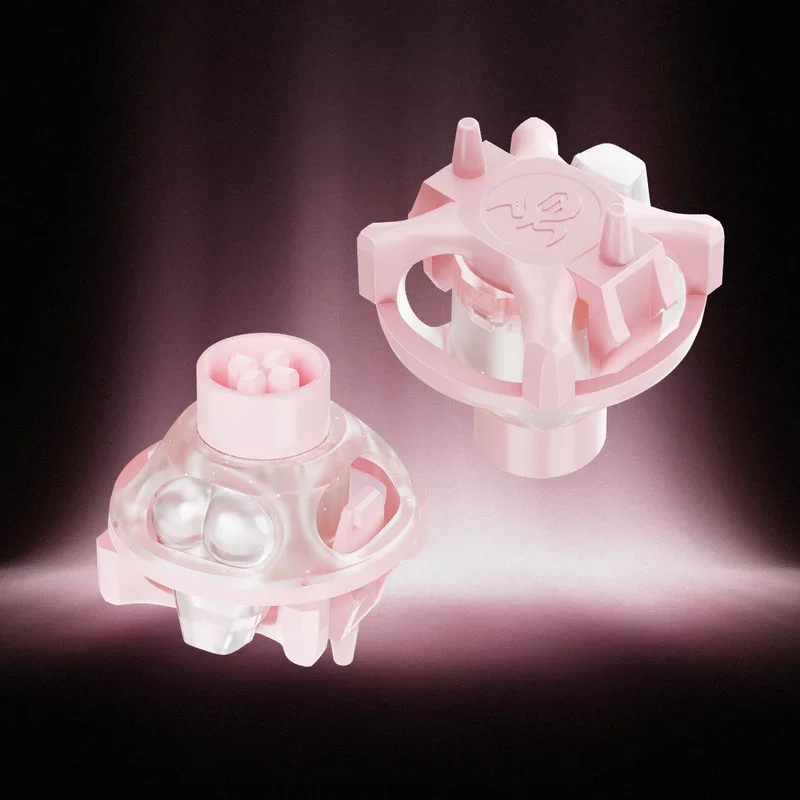
Figure 4: Gravastar UFO 'Buttiful' switches. They really put the "number 2" in the "close encounters of the 4th kind" with these switches.
First debuting back in October of 2025, the Gravastar UFO Magnetic switches in both Purple and Silver/White variants have continually remained available for sale on Gravastar’s website despite a rather substantial amount of community interest and positive response. While it’s likely not too surprising that the same community that fawns over keycaps that cost hundreds of dollars and keyboards that cost thousands of dollars would be so intrigued by novel looking switches as such, it is definitely more widespread interest that I’ve seen from everyone for switches without a unique functional slant in some time. Perhaps a non-zero part of the reason they’ve not sold through in this time span of interest could be due to their price point, with both identically weighted variants coming in at anywhere from $0.75 to $2.00 per switch depending on if they are bought at 75-switch quantities or 10-switch quantities on Gravastar’s website. Despite zero communication from Gravastar leading up to the release of these switches or regarding restocks, sales, or anything else about the UFOs, the doubling down on the design style with the UFO Buttiful switches in late May of 2026 likely signals that they’re “in it for the long haul” and will likely continue to produce these switches and/or other colored variations of them in the future to maximize return from the presumably substantial R&D costs required to design these molds. I’m shocked that a ‘little green alien’ has yet to show up as UFO switch color given the canonical association between that color and the topic.
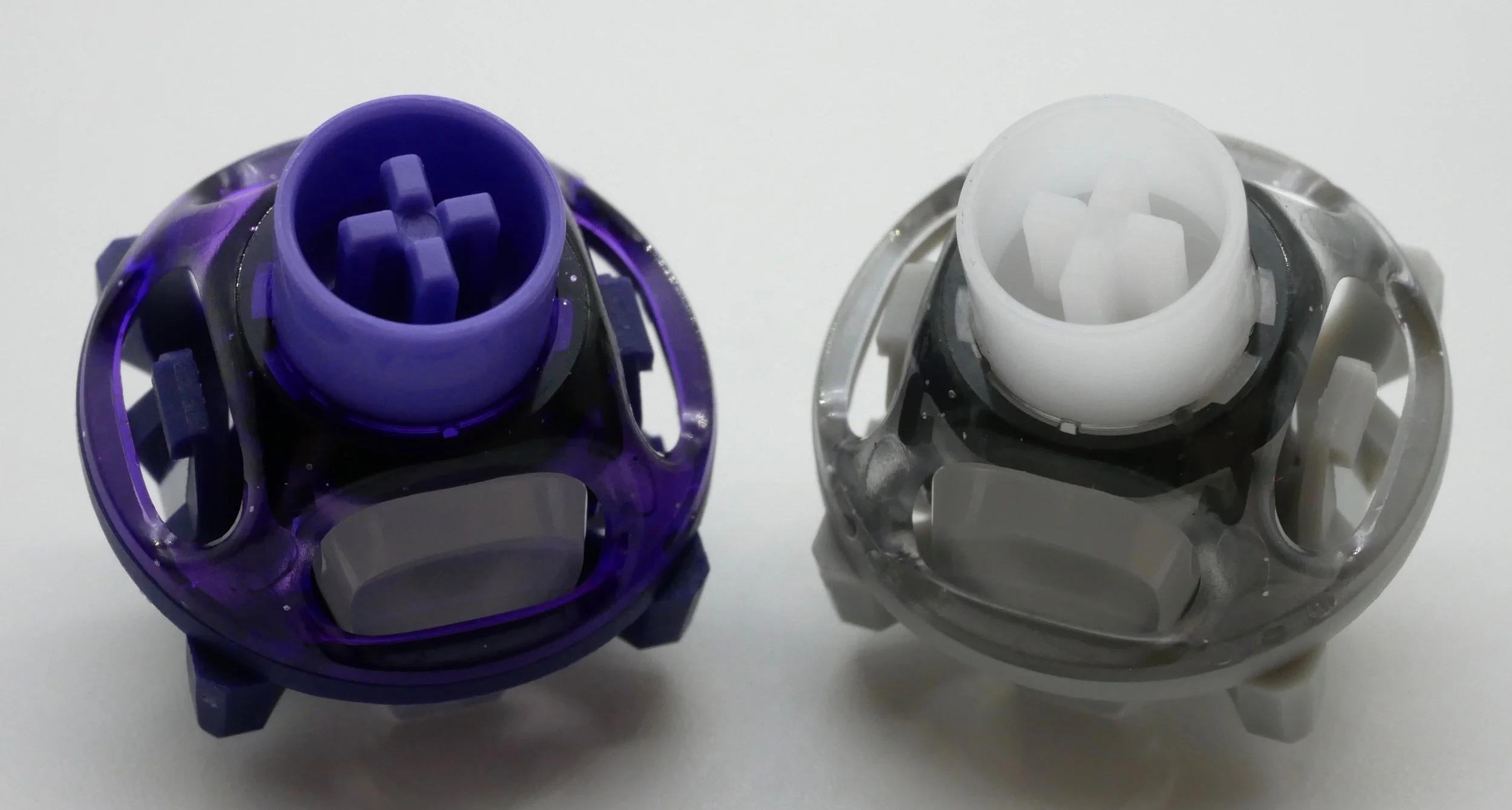
Figure 5: Color comparison of the top sides of the Gravastar UFO Purple (Left) and White/Silver switches (Right).
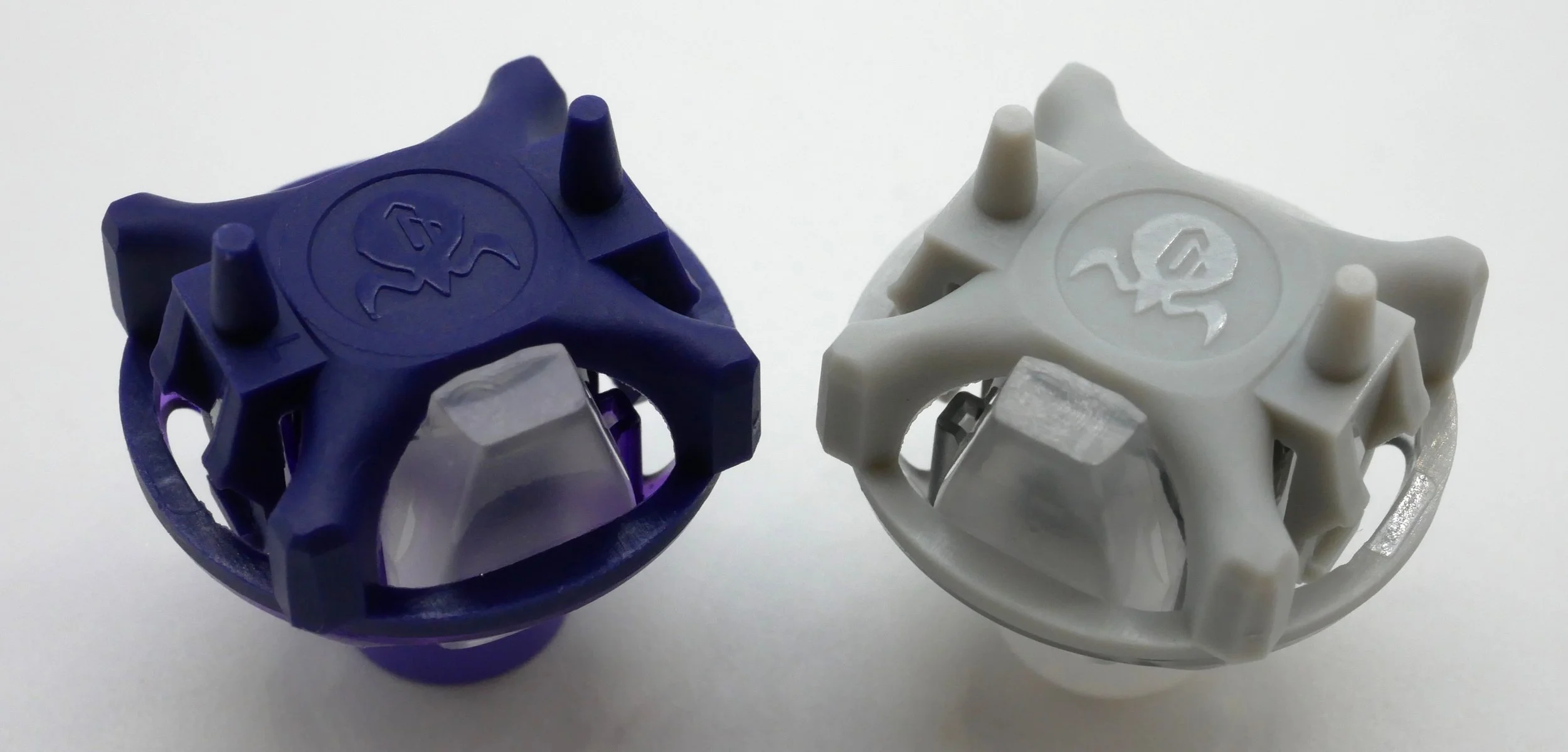
Figure 6: Color comparison of the under sides of the Gravastar UFO Purple (Left) and White/Silver switches (Right).
UFO Purple Performance
Appearance
At the highest level, the Gravastar UFO Purple switches come in a three-tone purple colorway that on its own certainly isn’t the most distinguishing from the vast array of mechanical keyboard switch colorways which have been released to date. Unlike the Akko, Kailh, Huano, Tecsee, and other purple switches which also have a similar three parts purple appearance, though, the UFO switches are entirely uniquely shaped and feature round housings full of holes that make them truly distinctive from any other switch that has been made to date, modern or otherwise. While the south-side placement of an LED diffuser and east and west-side placements of a keyboard plate attachment clips help orient these switches visually in space, without immediately recognizing such these the UFO Purple switches appear almost rotationally symmetrical and as if they have no proper alignment. There are four large ovular holes on each of the four cardinal directions of the top housings that not only coincide with these attachment pins and LED diffusers, but also correspond with matching holes in the bottom housings to give these switches a very wide through-switch cavity as well as extremely reduced internal volume while also giving them an overall round, saucer like shape. Despite these switches taking up a substantial amount of space as a result of their roundness, they both surprisingly still fit in traditional MX-style plates without overlapping or bumping into other switches as well as feature an enclosed magnetic stem and spring that visually only appears to occupy the middle 1/9th or so of the switch when viewed from the top down. Cutting the introduction to this section arbitrarily short there, to put it lightly there’s almost too much to write about in terms of the appearance of these uniquely shaped switches. Photographs will be heavily used alongside discussion below to try and capture as many details about the Gravastar UFO Purples as possible.
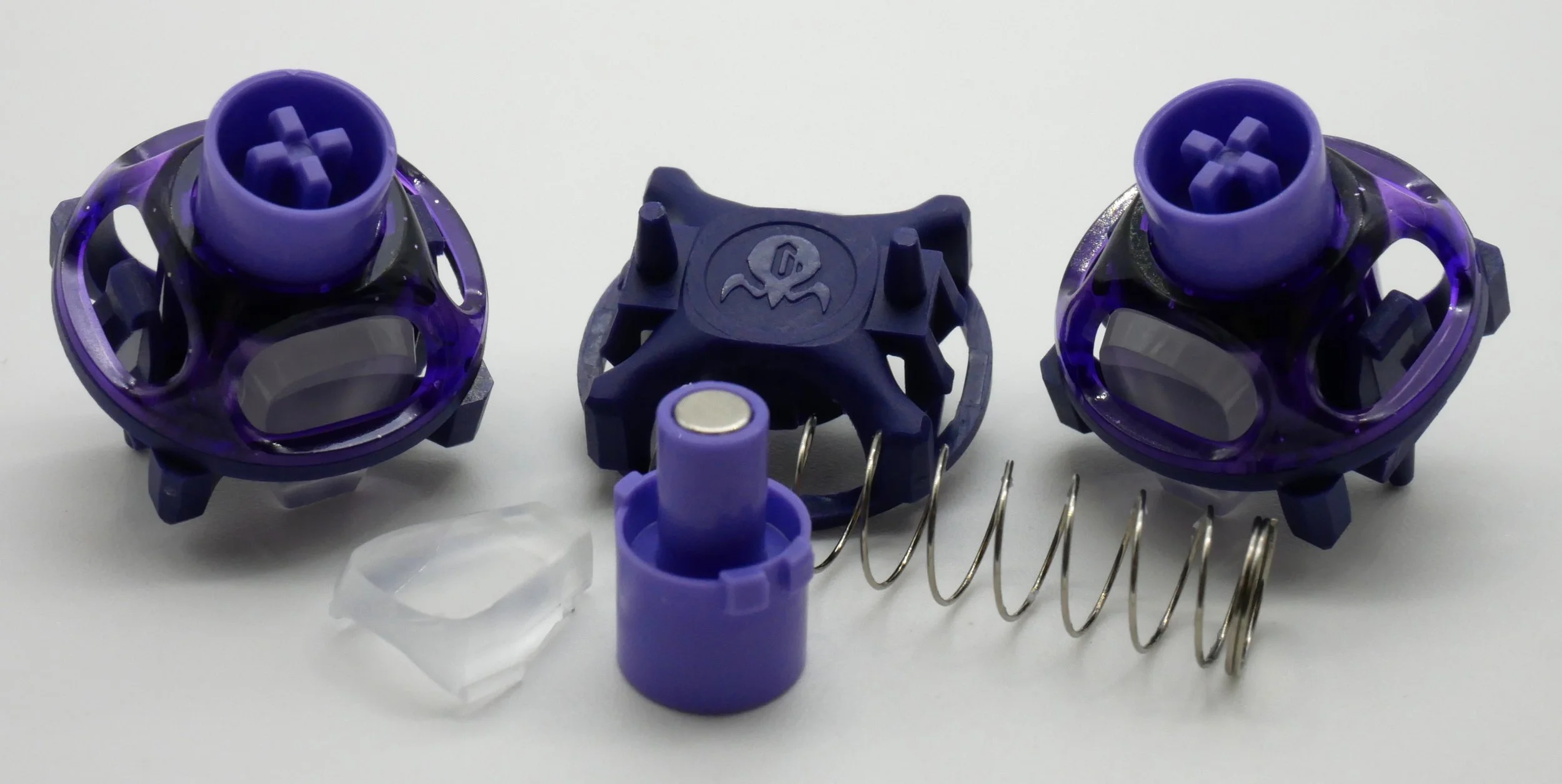
Figure 7: Gravastar UFO Purple switches and their components.
Before moving onto the individual paragraphs that cover each of the three main parts of the Gravastar UFO Purple switches, it is worth noting that their incredibly unique construction and design makes them a uniquely difficult switch to open. In fact the difficulty is so high in opening these as well as a reassembling them that I’m almost certain that Gravastar did not intend for these to be openable or modifiable and what ability remains to do so is likely left over from making them able to be assembled in the first place. The first and most unintuitive part about disassembling these switches is the removal of the LED diffuser. Due to top housing/bottom housing connecting latches being located on the north and south sides of the switch, the latter of which is behind the LED diffuser, this needs to be removed in order to open the switch. Rather than finding success in pushing on the narrow end of the diffuser wedge to try and push the more bulbous end out of the top side of the housing, the only way I was able to remove it was by placing a flathead screwdriver underneath the narrow end of the diffuser and prying up and away from the rest of the housing of the switch. Surprisingly, this wedging action actually allowed what appears to be the visibly larger end of the diffuser to come down and out through the housing as opposed to up and out. Once removed, there are two small bottom housing pins that need to be pushed while simultaneously pulling up on the top housings to free the parts apart. I simply was not able to do this. Instead, the only success I had in separating the housings was by wedging the thin flat head screwdriver up underneath of the top housing lip and pushing upwards until the halves separated. It was the combination of insane difficulty in doing such as well as the fact that this permanently scraped the bottom housing latches that leads me to believe that removal of these parts was clearly not ever intended by Gravastar.
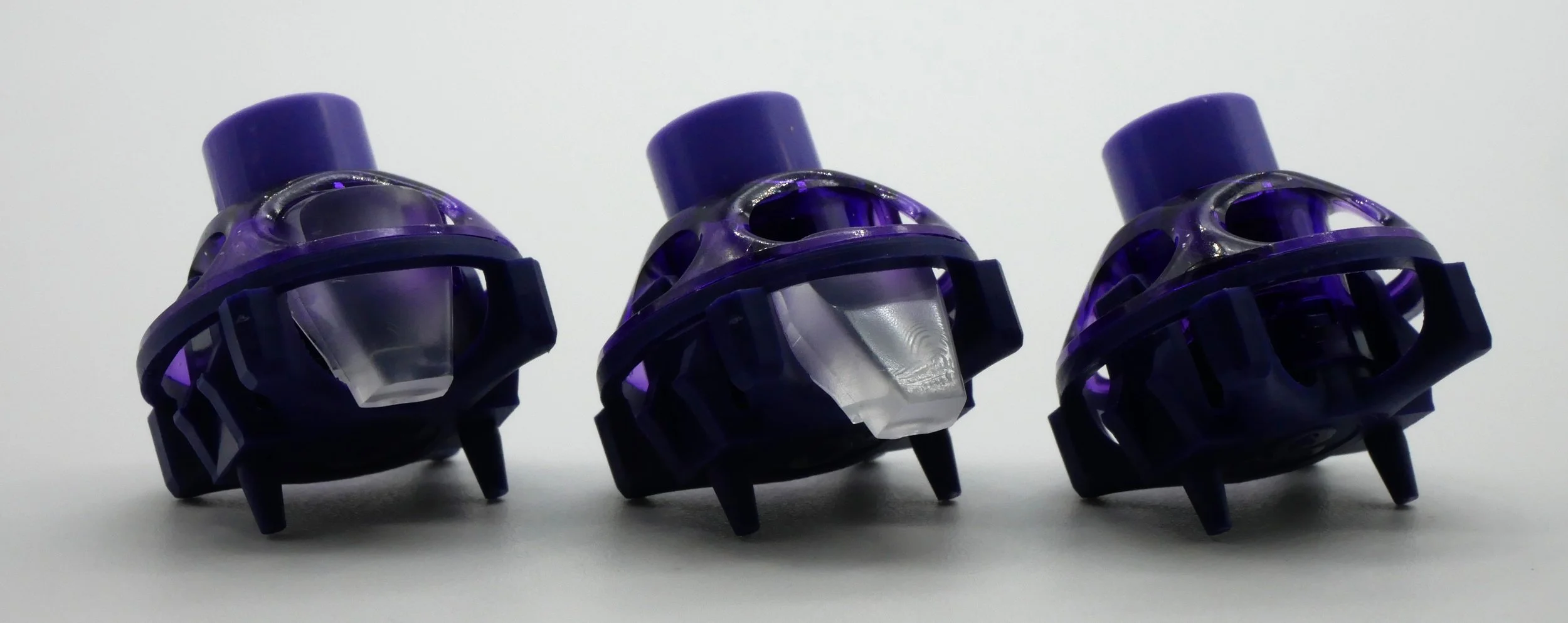
Figure 8: Step by step process showing a stock Gravastar UFO Purple switch (Left), with the bottom side of the LED wedge lifted (Middle), and then fully removed (Right).
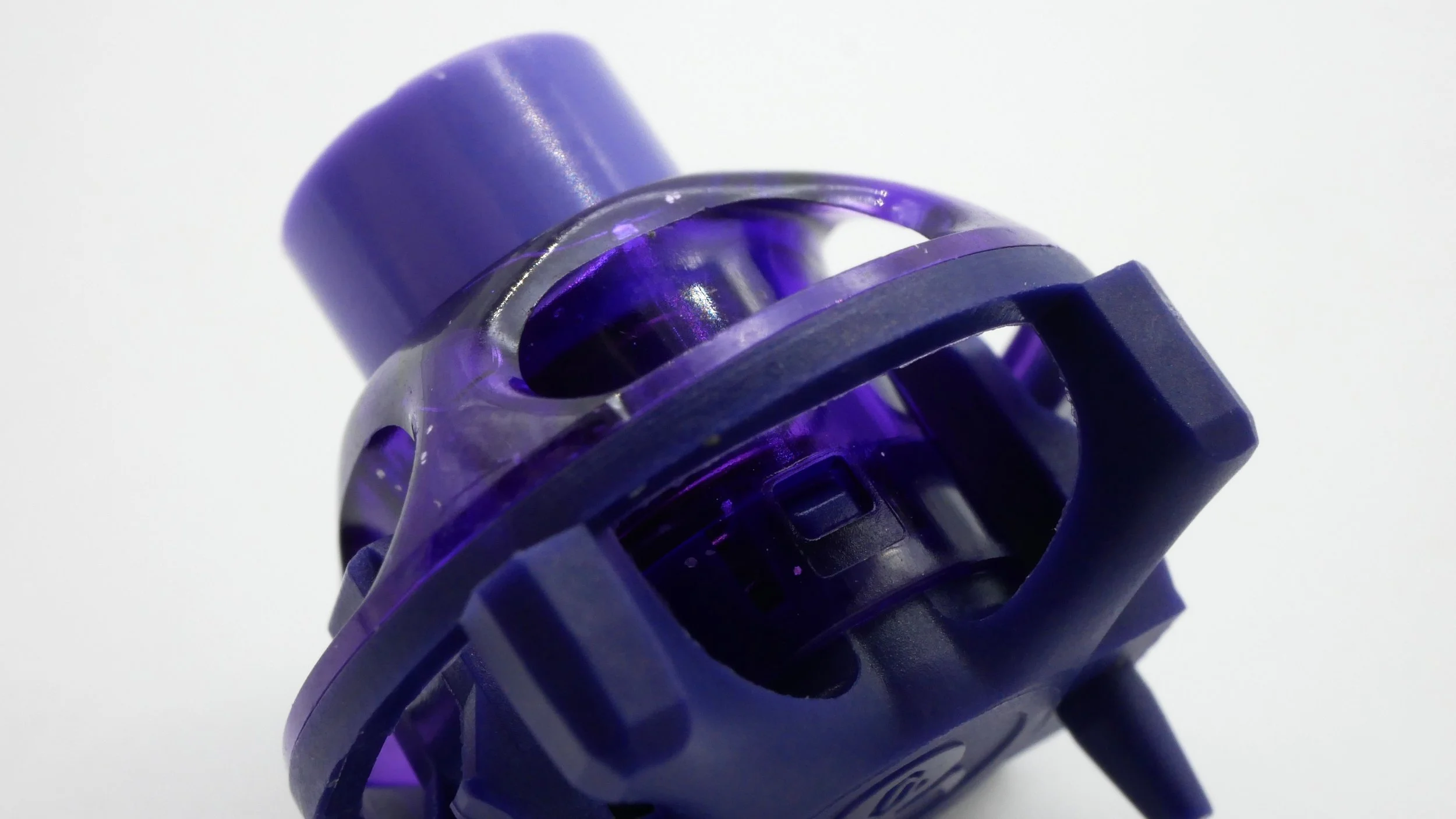
Figure 9: Enhanced view of the top housing/bottom housing attachment clip point showing the extremely small connector that sits underneath of the LED wedge and on the opposite side of such.
Moving first to the translucent purple, sparkly glitter embedded polycarbonate top housings of the UFO Gravastar Purple switches, I was surprised to find that they were even more symmetrically shaped when separated from the other components of the switch than they had first appeared. Externally, and without the cues from the LED diffuser and bottom housing plate attachment pins providing any guidance, the top housings are perfectly round with four symmetrical ovular holes in each of the four cardinal directions. Turning the top housings for the UFO Purples over, the directionality of the housings becomes a little more apparent though only on account of very thin slider rails on opposite sides of the internal cylindrical shaft of the housing where the stem resides. While I suppose there is nothing to stop you from orienting these in the ‘N/S’ direction as opposed to the ‘E/W’ direction in the closed switch, these thin protrusions clearly align with the short guider rail nubs on the stems and presumably help give them some degree of horizontal stability when pressing the stems in or out. Or, rather, they may simply help keep the stems fixed so that they, and by extension the keycaps that are attached to them, do not have the ability to freely rotate 360 degrees when installed in a keyboard. Ejection mold marks and small bottom housing alignment/attachment pins may also be noted along the outer ring of the top housing in the four diagonal corners of the housings where the inner circle of the housing connects with the outer ring that encircles it.
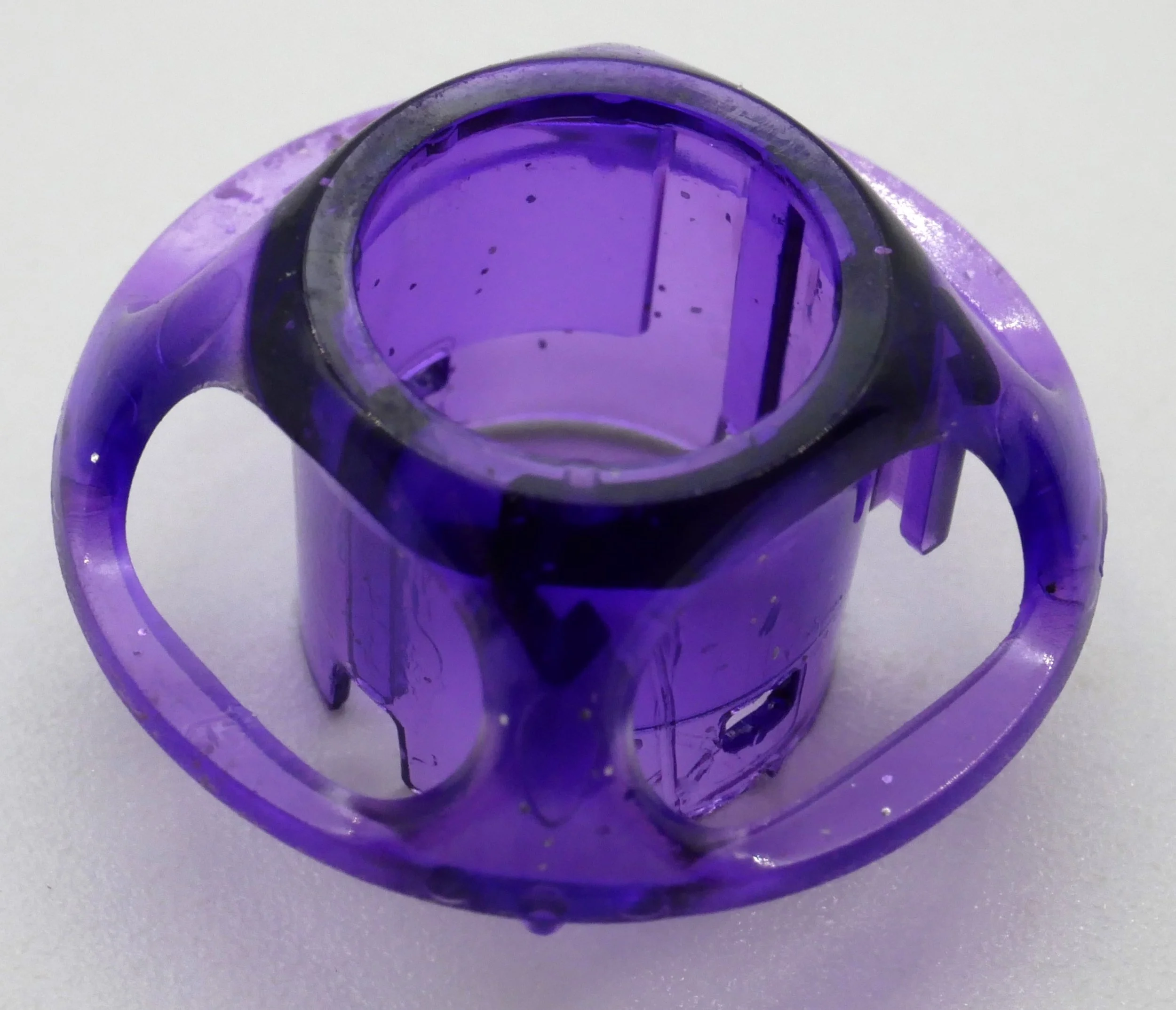
Figure 10: Gravastar UFO Purple top housing exterior showing embedded glitter flakes, outwardly symmetrical design with through-housing holes, and the bottom housing connection clip location in the bottom right-hand corner.
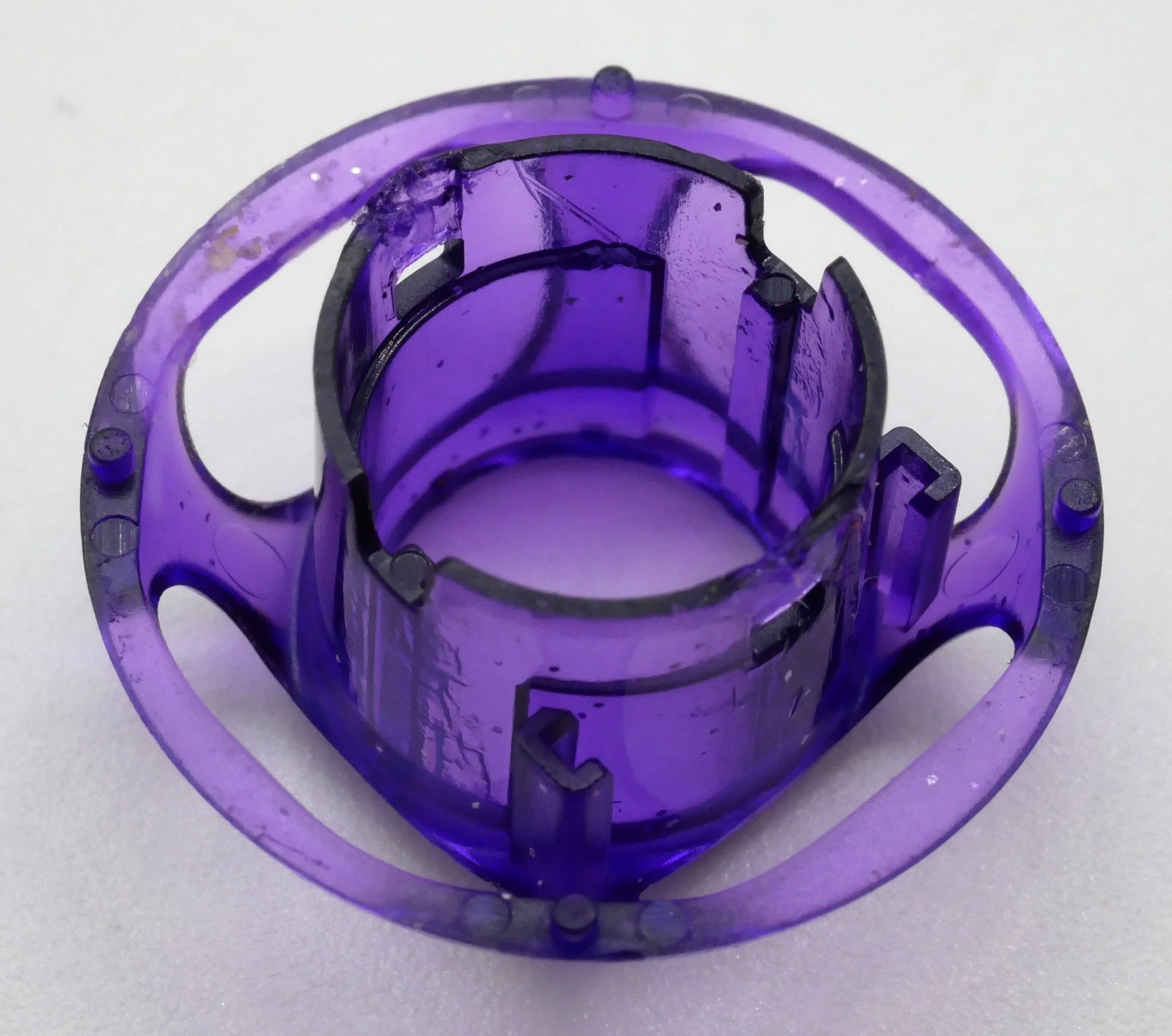
Figure 11: Gravastar UFO Purple top housing interior showing directional guiding rails for aligning the stems within the housings, scuffed attachment pins from my neanderthal-like attempt at opening the switches, and bottom housing connecting pins located along the outer ring of the housing.
Moving next to the lilac POM purple magnetic stems of the Gravastar UFO Purple switches, I was surprised to find just how simple the design of these were relative to the top and bottom housings of the switch. While I suppose at least a single part of this switch needs to be simple on account of the mold and manufacturing complexity inherent to a design as such, one wouldn’t think that it would necessarily come in the main point of action of the switch. The stem, itself, really comes in the form of two different cylinders of differing radii stacked on top of one another – the larger one on top being for the dustproof walls of the stem that enclose the keycap mounting post and the smaller one on bottom being for housing the magnet that actuates the HE portion of this switch’s mechanism. While there are the aforementioned small nubs on opposing sides of the stem that help align them somewhat within the top housings, there’s no such orientation markings with respect to the bottom housing. In fact, it doesn’t appear that any portion of the stem save for the smaller lower cylinder really contacts the bottom housings at all, with the difference in radii between the two cylinders being used to hold onto the spring of the switch which cushions the stem prior to bottom out.
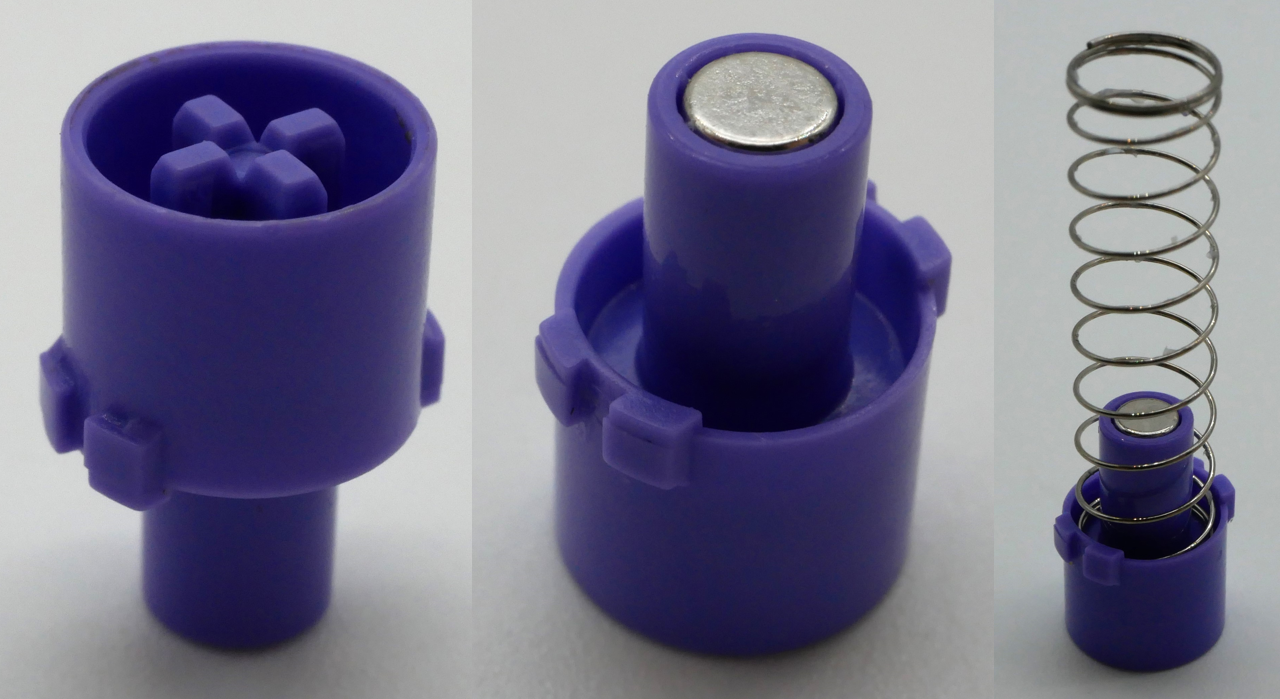
Figure 12: Gravastar UFO Purple stems in upright, upside down, and with spring attached fashion showing the general lack of design features to these stems and how they interface with the large caliber springs of the switch.
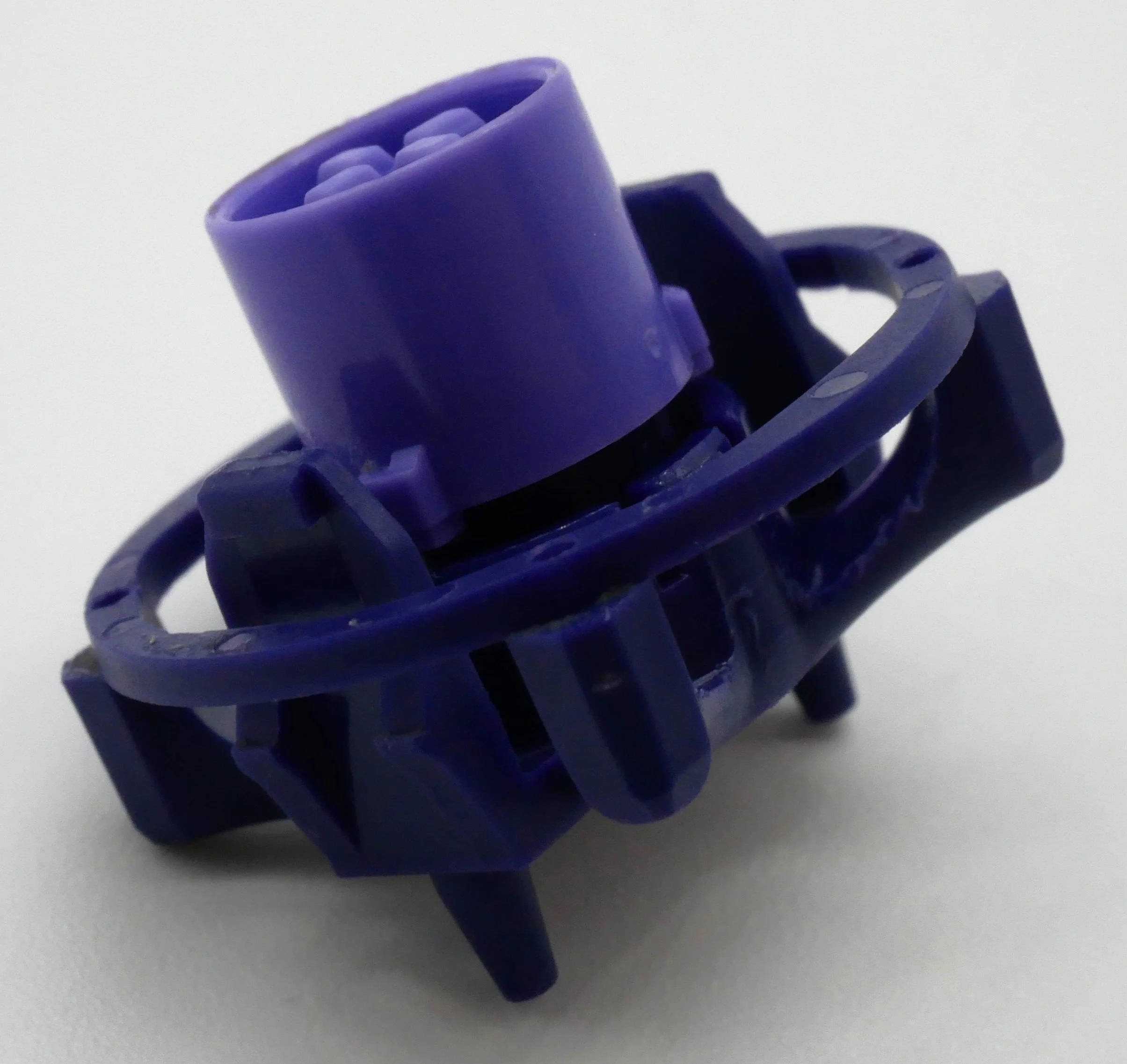
Figure 13: Gravastar UFO Purple stem placement within the bottom housing without spring present showing that the bottom out point occurs onto the stem pole of the switch. Note the gap between the bottom of the upper cylinder of the stem and the center pole hole walls of the bottom housings.
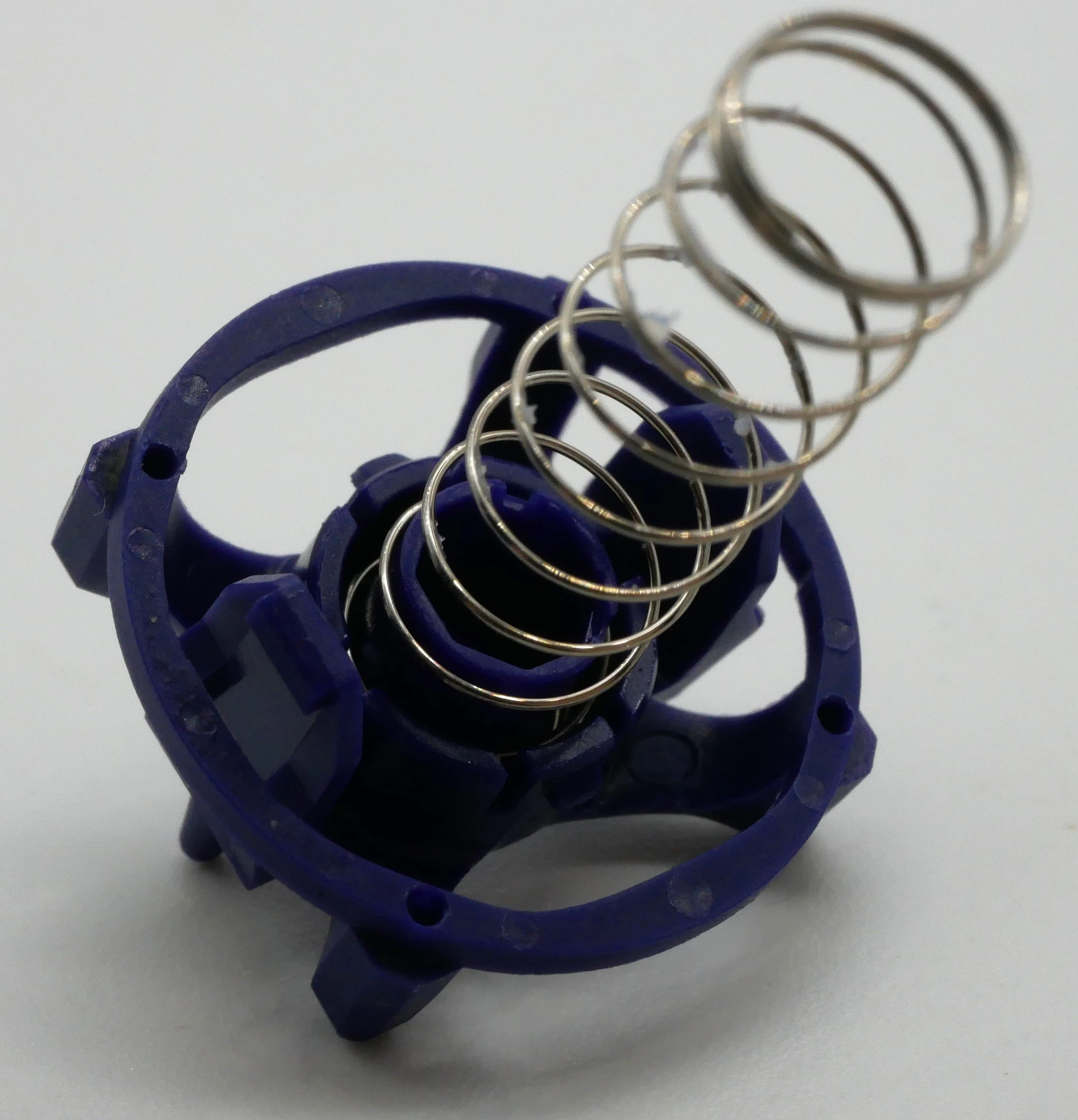
Figure 14: Gravastar UFO Purple springs placed in their normal position within the bottom housings to help visualize how the switches come together and the total internal space within such.
The dark, bluish purple nylon bottom housings of the Gravastar UFO Purple switches are by far the most intricate portions of these switches and feature a rather impressive amount of manufacturing complexity that I would imagine is difficult to pull off reliably in an injection molded setting. Looking first to the internal structure of the housings, the most simple feature to first check off the list is that of the E/W plate attachment pins. Attached directly to the base of the bottom housing and located right next to the PCB mounting pins, these have the most obvious of functionality when viewing the housing on its own. As for the rest of the structure, internally it broadly consists of three different ‘rings’ – the outer and then two inner rings. The outer ring, which spans the entire circumference of the switch, features mold ejector circles and holes for the top housing attachment pins noted above and largely just aims to help seal the switch together. The space that exists between the middle ring and most inner ring is actually where the spring sits in the housing as can be seen above in Figure 14. The center pole of the stem sits in the inner space inside of the center ring and is stopped from ever contacting the edge of that inner most ring both by the depth of the center pole hole versus the length of the stems of these switches as well as the springs themselves. In the base of the center pole hole there are also multiple mold ejector circles. Externally, the underside of the bottom housings provide the most clear guide of orientation of these switches only on account of the glossy embossed Gravastar ‘virus’ logo that is sitting upright on the bottom side of the housing. (In a preassembled full switch, the legs of this germ point to the south with the LED diffuser being located in that hole below. That isn’t to say, though, that this couldn’t be swapped upon reassembling of these switches.) In addition to the stylized ‘G’ that is located within this Gravastar logo, it is also worth noting that the bottom housings all feature a single capital letter mold marking that is sideways and just beneath the PCB mounting pin on the left-hand side of the housing.
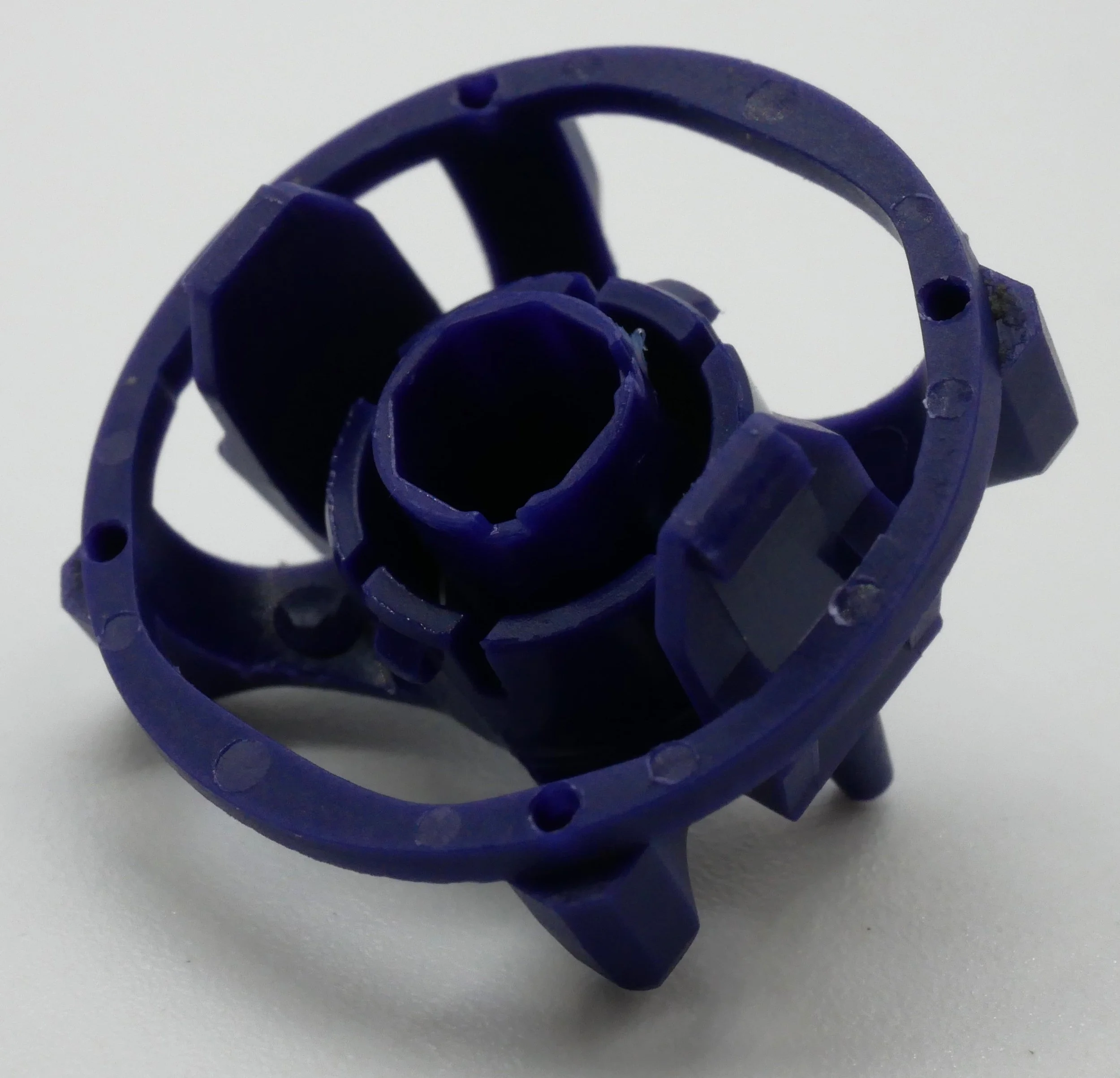
Figure 15: Gravastar UFO Purple bottom housing interior showing the three concentric rings that make up the housing as well as PCB attachment clips on the left- and right-hand sides of the central mass of the housing.
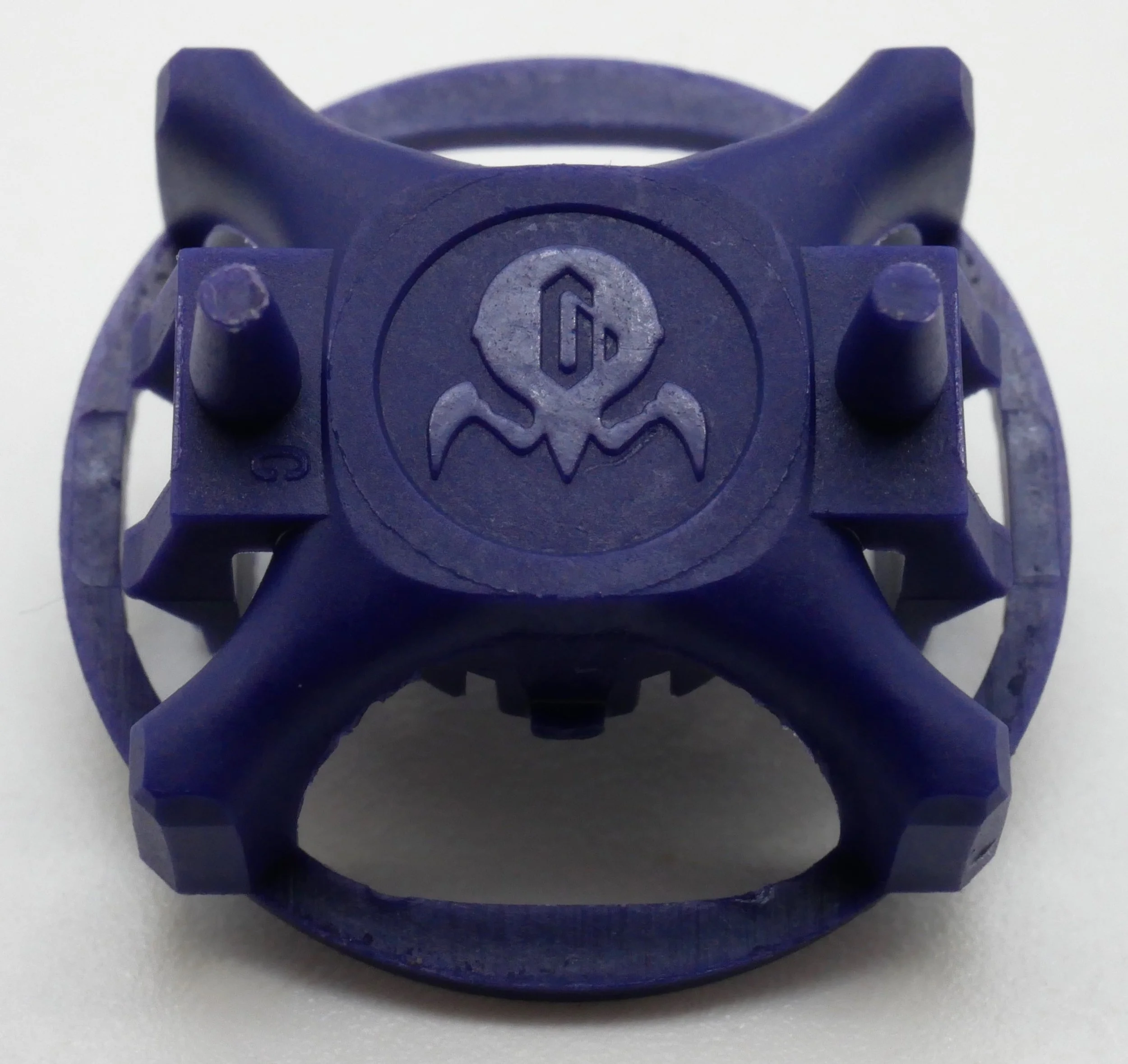
Figure 16: Gravastar UFO Purple bottom housing exterior showing PCB mounting pins, the Gravastar 'Virus Logo' in the center, and a capital letter mold marking located underneath the left-hand PCB mounting pin.
Push Feel
While some people will feel that this statement is a bit cliché given that the Gravastar UFO Purple switches on paper are just medium weight, roughly 52 gf. bottom out linears, their push feeling is by far their most single boring performance metric even in spite of how visually nuanced their design is. Luckily for fans of these switch saucers, though, they’re boring on account of the fact that they perform overall quite well and appear to have been manufactured with a fairly high degree of precision and technical capability. Featuring a thin, well applied amount of factory lubing, the UFO Purple switches feature a smooth, though not scratchy nor gummy stroke that is strongly consistent from switch to switch across the batch that I received. On either of these smooth downstrokes and upstrokes are pokey housing collisions that are neither too sharp nor too dull, but definitely still noticeable. Sitting quite solidly in the mid-ground between the two extremes of aggressively pointy and softly cushioned, the bottom outs of the UFO Purples are the more noticeable of the two housing collisions with a punchy, firm feeling that is rounded and somewhat forceful, though not too likely to be fatiguing unless typed on with some extreme degree of force or for very extended lengths of time. The topping outs of the Gravastar UFO Purples are a bit thinner, though have a similar-ish feeling to the bottom outs that is likely only different due to the top housings having a smaller area of collision for their housing collisions and/or the housings themselves simply having less mass to distribute the collision force. As a result of this assumption, part of me wonders if filling in the top holes or making them closed rather than open would cause the topping outs to take on the same degree of ‘heft’ as the collisions at bottom out. It should be noted, as well, that despite the color differences between the UFO Purple and Silver switches suggesting some slightly differences to their performance, force curves collected of both variants show that they are effectively identical and only appear to be recolors of one another. As I’ve not yet received the pink, UFO ‘Buttiful’ switches yet, I’m uncertain if that statement is extendable to those switches as well.
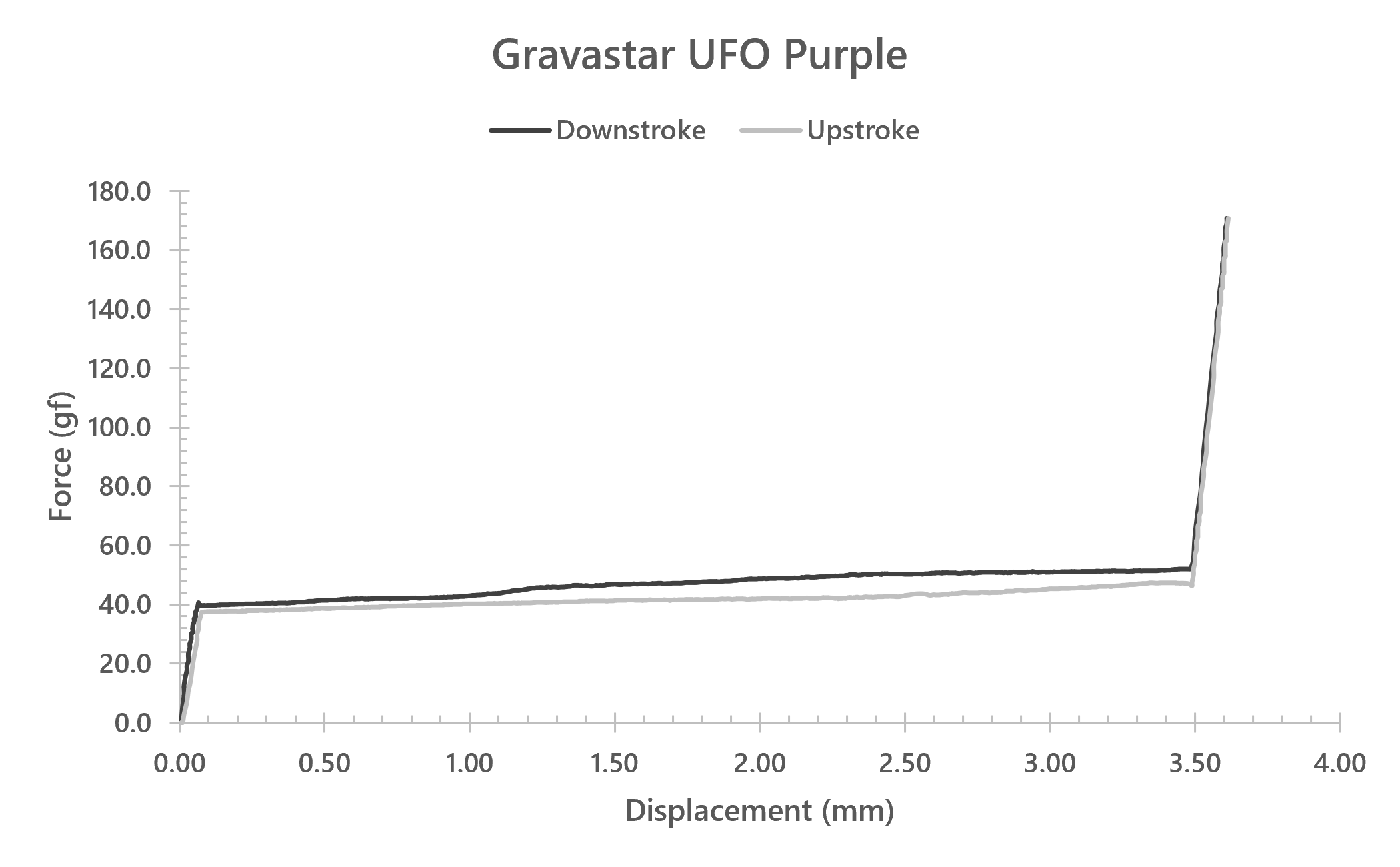
Figure 17: Force curve diagram for the stock Gravastar UFO Purple switch.
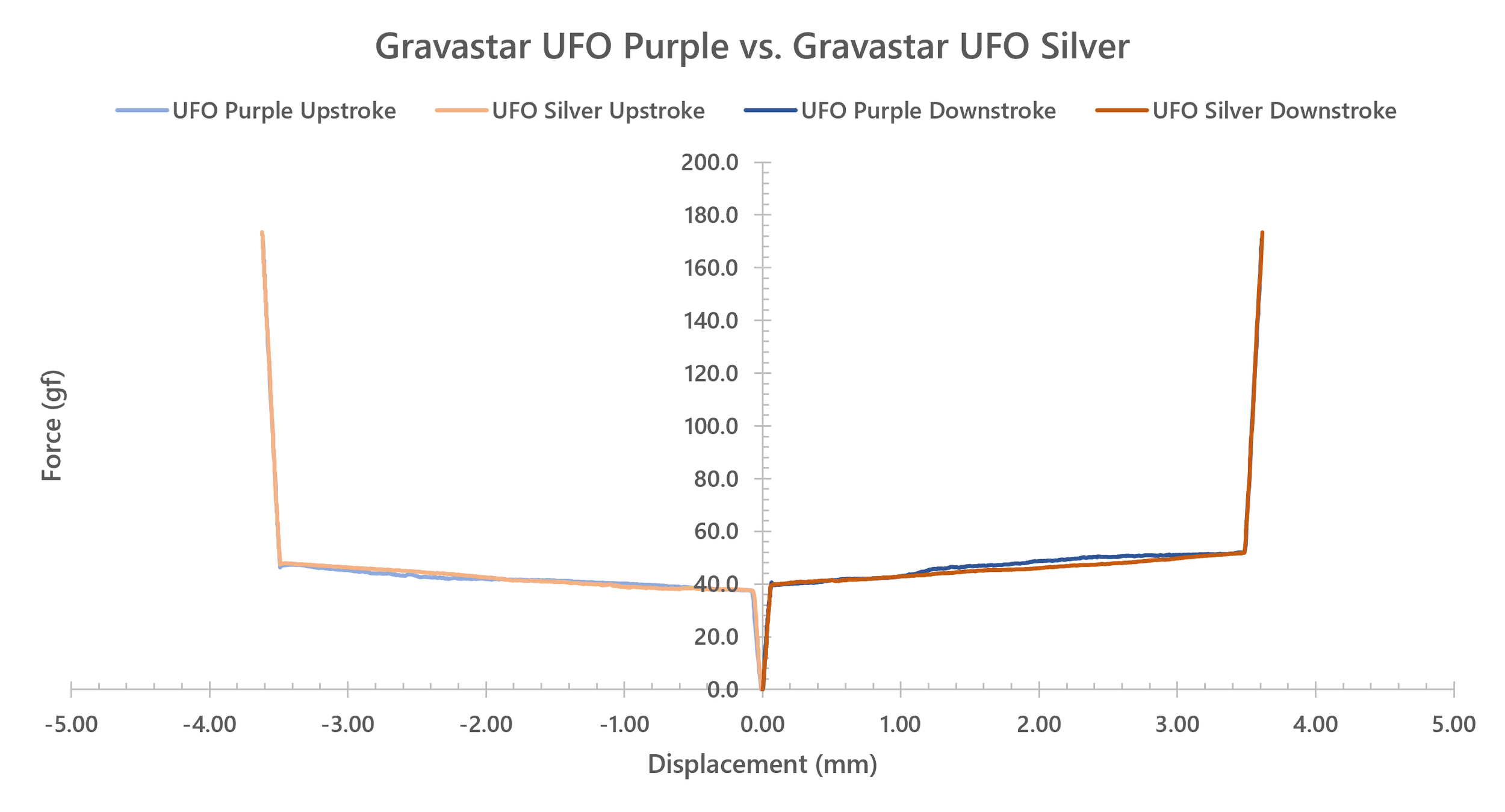
Figure 18: Comparative force curve showing the lack of differences between the force curves for the stock Gravastar UFO Purple and Silver switches.
Sound
Overall, the sound of the Gravastar UFO Purple switches is one that can easily be described as very terrestrial and boring, much like the push feeling notes above, on account of how relatively clean and free of issues their sound profiles are. There’s no scratchiness to these switches, no spring ping, and no weird metallic sounds that come across on account of them not easily or directly bottoming out their magnets onto their bottom housings like some other (Gateron-made) linear magnetic switches. The housing collisions of these switches are the main drivers of their sound profiles, with the bottom outs carrying the lion’s share of the work much like in the previous section above. On average, the bottom outs of the UFO Purples are medium in volume with a rounded, snappy tone that has a bit more depth and complexity than some switches, though is still somewhat flat and one dimensional unless you’re really trying to listen closely to pick out more from these switches. As typing speeds increase, these sounds pitch up a bit more and become louder, though not significantly nor to a point where it would likely be all that noticeable at all. Unlike the push feeling above, though, there is some play to the bottom out sound of these switches with some across the batch that I received sounding a bit thinner and higher pitched in their tone than their adjacent stock counterparts. While this variation is definitely not enough for the UFO Purples to be combed through in order to find a matching set for a complete build, it might be something that more astute listeners may notice. As for the topping outs of the UFO Purples, they are expectedly quieter, a bit deeper in tone, and ever so slightly lighter in volume than the topping outs, giving them a sound that is more of a compliment at the end of the upstroke rather than an echo or verbatim repetition of the bottom out. All in all, these are fairly expected, reasonable sound notes for a modern, Hall Effect linear switch I would think.
Wobble
Present ever so slightly in the E/W direction than the N/S direction, the Gravastar UFO Purple switches have just the tiniest amount of stem wobble to them. While it is something that I notice here as part of dissecting this crashed alien ship, it is unlikely something that most users, if any will be bothered by in an actual full keyboard. Part of me is kind of curious, though, how I would have chose to describe and/or score this metric if the guiding pins on the East and West sides of the stems for these switches simply weren’t present and the stems could just freely rotate 360 degrees inside of their housings. Would free stem rotation technically be considered as wobble if it is perfectly in line with the vertical axis as it is occurring?
Meaurements
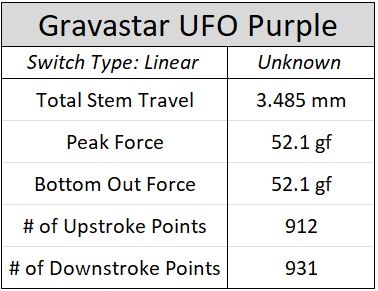
Figure 19: Numerical details regarding the force curve for the stock Gravastar UFO Purple switches.
Have you ever wanted to be bombarded with more switch data than you’ve ever seen at any point in your life before? Consider checking out the ‘Force Curve Repository’ hosted on my GitHub that contains all force curves that I take both within and outside of these full-length reviews. In addition to having these graphs above, I have various other versions of the graphs, raw data, and my processed data all available for over 2000 different switches for you to use however you see fit. Check it out via the ‘Archive’ tab at the top of this page or by clicking any of the force curve cards above.
Break In
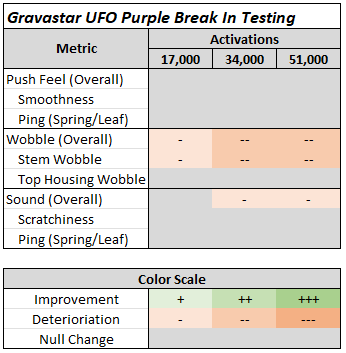
Break In Notes
17,000 Actuations
- After 17,000 actuations, the only real change in the performance of the Gravastar UFO Purple switches came in the form of a slight increase in both their N/S and E/W direction stem wobbles. While this is a fairly minor change, all things considered, it is enough to at least somewhat be noticeable on these switches when in a board.
34,000 Actuations
- After an additional round of breaking in, the Gravastar UFO Purple switches’ stem wobble increased a tiny bit more being noticeably more wobbly than both their stock and 17,000 actuation counterparts. Beyond this stage, though, this metric didn’t change much if at all.
- At 34,000 actuations, it is worth noting that some switches began to have bottom outs that sounded a bit out of sync with the rest of the batch, carrying deeper and somewhat more dampened tones. Despite there being virtually no free internal volume for factory lube to work around it, it is almost as if there was a degree of factory lube migration towards the bottom of these switches that caused a small fraction of those broken in to this degree to sound that way.
51,000 Actuations
- At the final break in stage of 51,000 actuations there was no further change in the Gravastar UFO Purple switches than from their 34,000 actuation batch. The switches from these two stages were virtually indistinguishable from one another when tested against each other in hand.
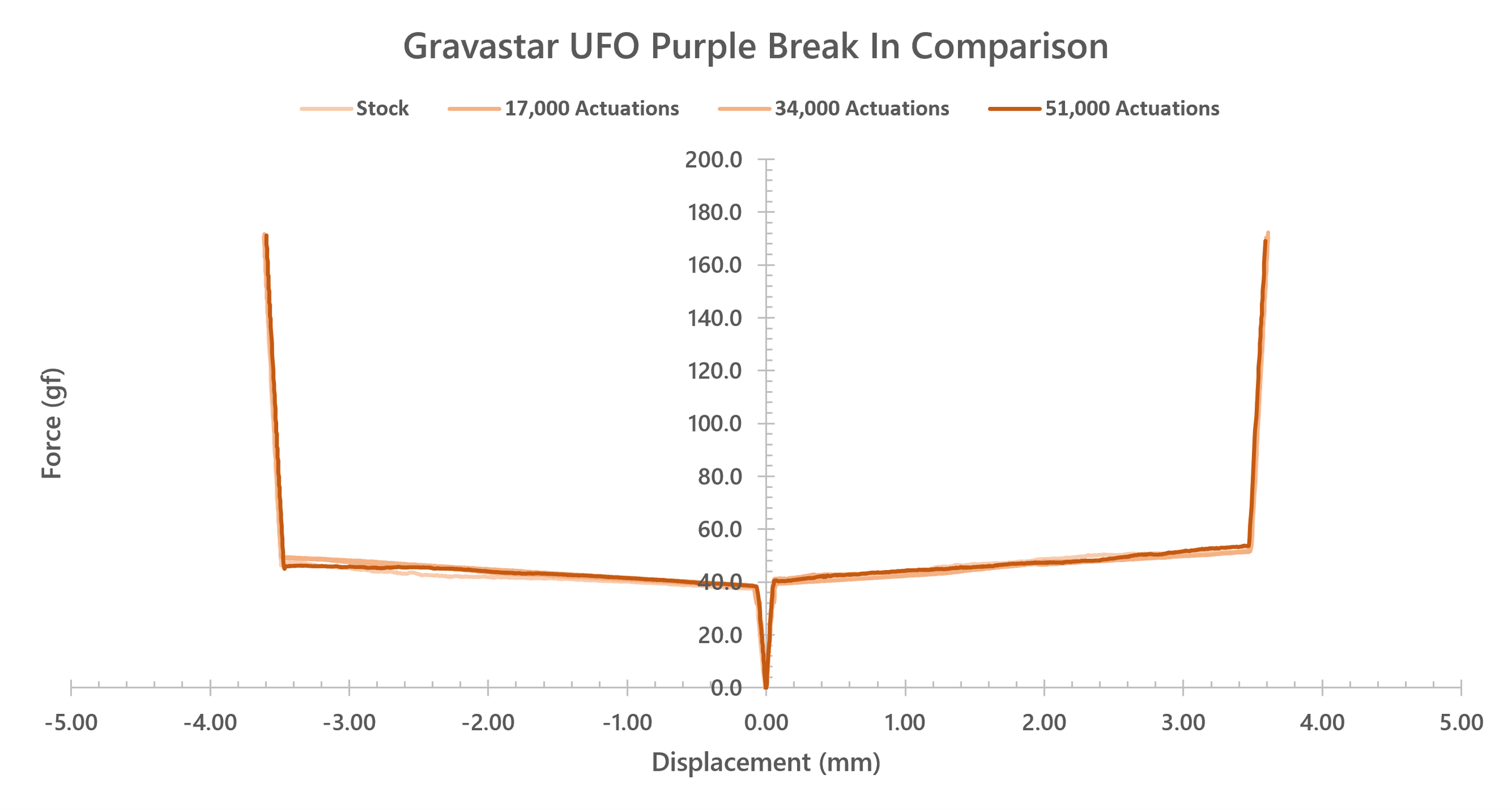
Figure 21: Comparative force curve diagram showing no substantial, consistent change in the force curves of the Gravastar UFO Purple switches throughout the break in process.
Other
While the Gravastar UFO switches hardly had much in the way of decorative packaging that came with them, the sales page on Gravastar’s website indicated two different sizes of packaging that would be received depending on order quantity – ‘boxes’ for 10 counts, ‘jars’ for 65 counts, and a combination of the two for 75 count orders. For the purposes of this review, I purchased a 65 count of the UFO Gravastar Purple and a 10 count of the UFO Gravastar Silver switches in order to capture both the jar and box packaging. These molded aluminum containers can be found imaged below.

Figure 22: Gravastar marketing render of the 'Jar' and 'Box' packaging available with the UFO switches.
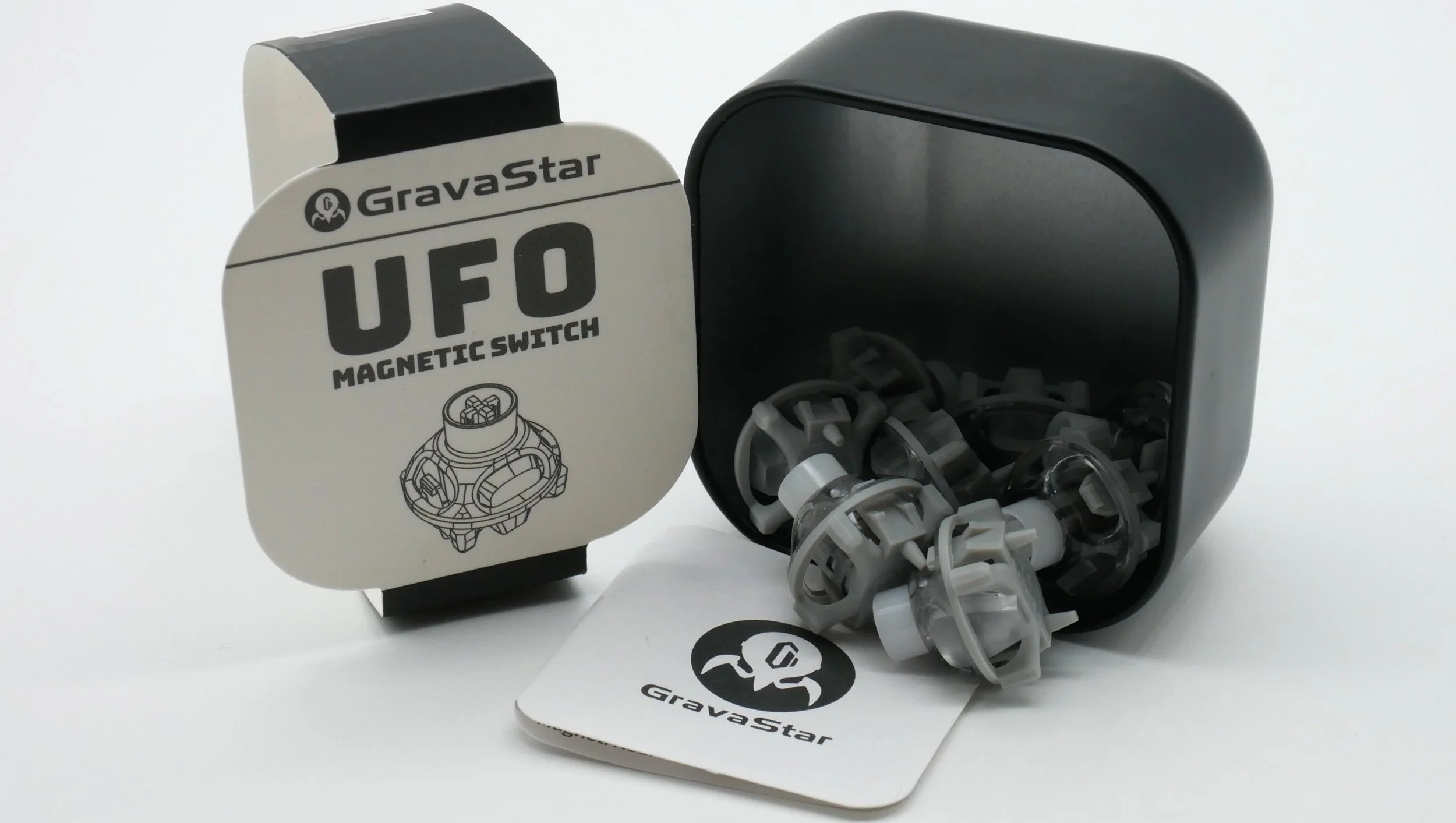
Figure 23: As received Gravastar UFO Silver aluminum box packaging with inserted user maunal and decorative cardboard outer sleeve.
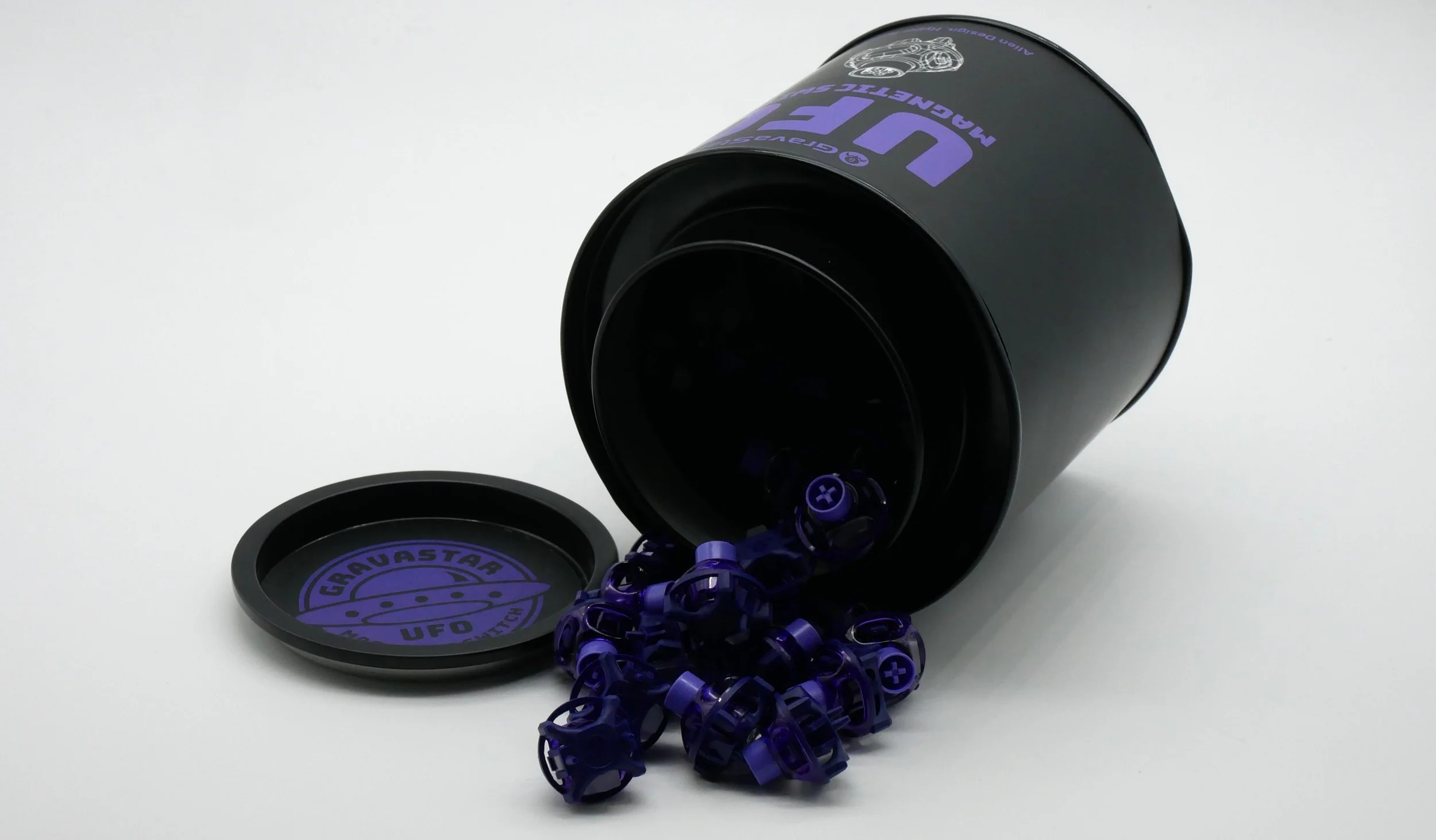
Figure 24: As received Gravastar UFO Purple aluminum jar packaging with switches. While renders of the 'Buttiful' UFO switches show this jar label being pink, I'm uncertain if that is true and if the jar labels for the Silver switches are similarly color matched.
Comparison Notes to Other Notable Linear Switches
Note – These are not aimed at being comprehensive comparisons between all factors of these switches as this would simply be too long for this writeup. These are little notes of interest I generated when comparing these switches to the Gravastar UFO Purple switches side by side.
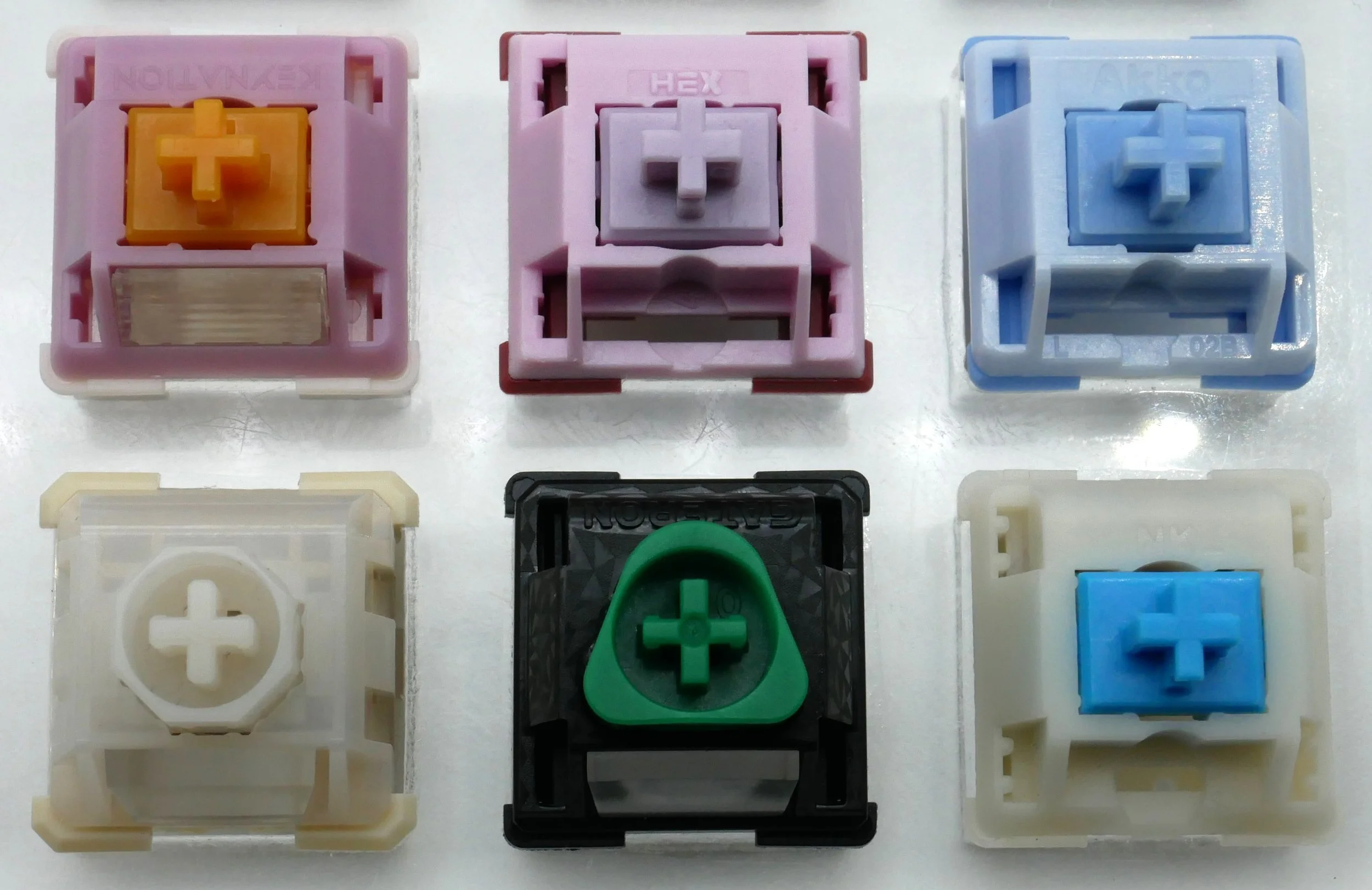
Figure 25: Switches for comparison. (L-R, Top-Bot: Taro N Sweet Potato V2, Keygeek Muse, Akko Mirror, WS Flux HE, Gateron Magnetic Jade Delta Dark, and Novelkeys Classic Blue)
Taro N Sweet Potato V2
- There is a comparable amount of stem wobble between the Taro N Sweet Potato V2 switches and the Gravastar UFO Purples, though the UFO Purples have just a tiny bit less in both directions by a small margin.
- In terms of their bottom outs, the UFO Purples have a slightly more forceful, yet deep and rounded housing collision than the Taro N Sweet Potato V2s. While both are smooth and feel great for linear switches, the Sweet Potato V2s just feel a bit more focused, singular, and as if their collision area is tighter than that of the UFO Purples.
- With respect to their sound profiles, the UFO Purples are definitely the louder of the two switches but much like with their push feeling at bottom out they are deeper and more bass focused than the Taro N Sweet Potato V2 switches.
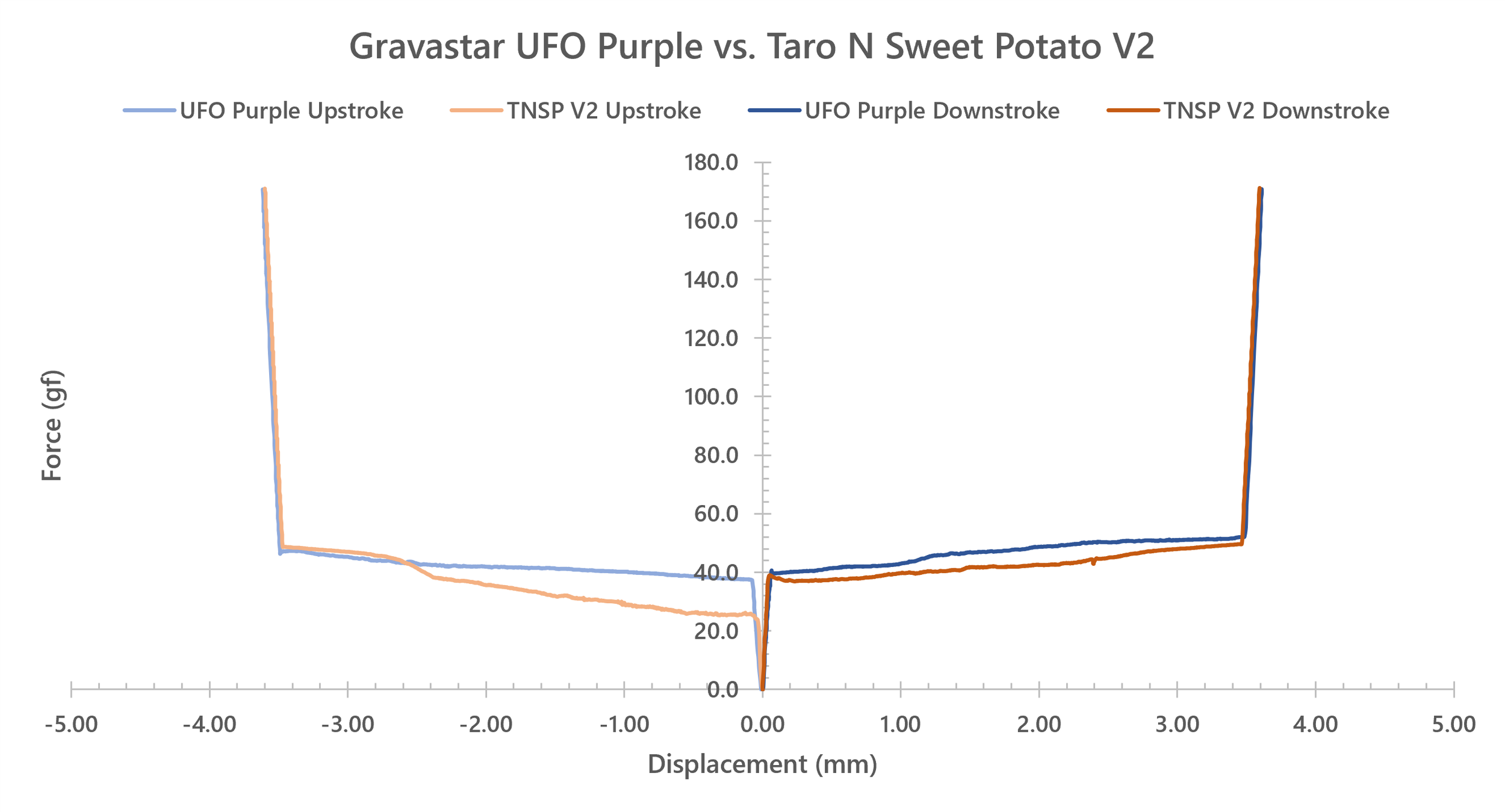
Keygeek Muse
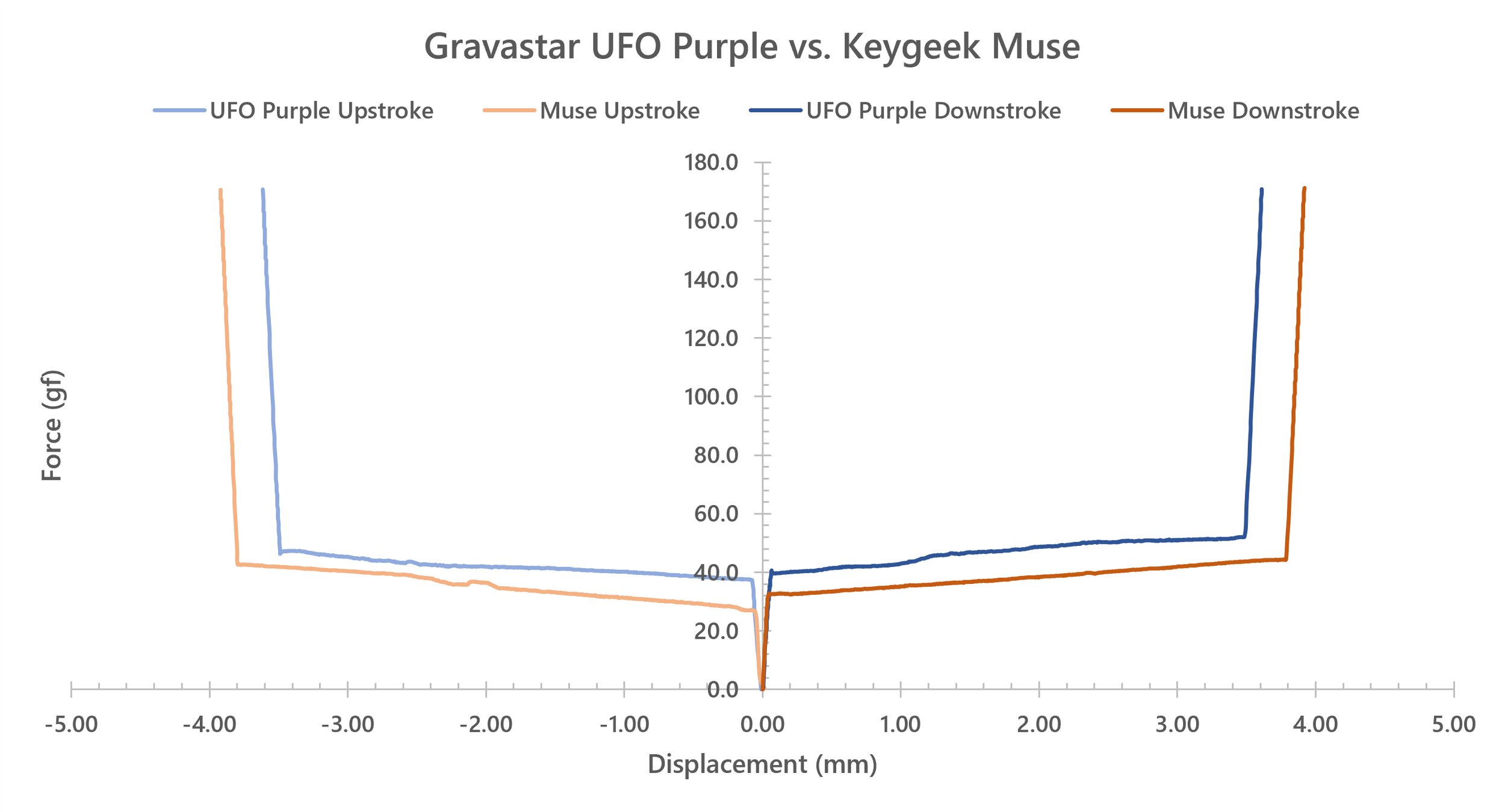
- The comparative force curve between these two switches below is surprisingly quite accurate with the Keygeek Muses definitely feeling as if they are lighter in weight and have a downstroke that goes much deeper into their bottom housings than the Gravastar UFO Purple switches.
- Much like the Taro N Sweet Potato V2 switch comparison above, the UFO Purples are the louder of these two switches, though the gap is much wider here. The Keygeek Muses are incredibly quiet and almost silent linear like in their sound profiles when compared head to head to the snappy, bass focused bottom outs of the UFO Purples.
- There is a fair bit less N/S and E/W direction stem wobble in the Gravastar UFO Purple switches than there is in the Keygeek Muses.
Akko Mirror
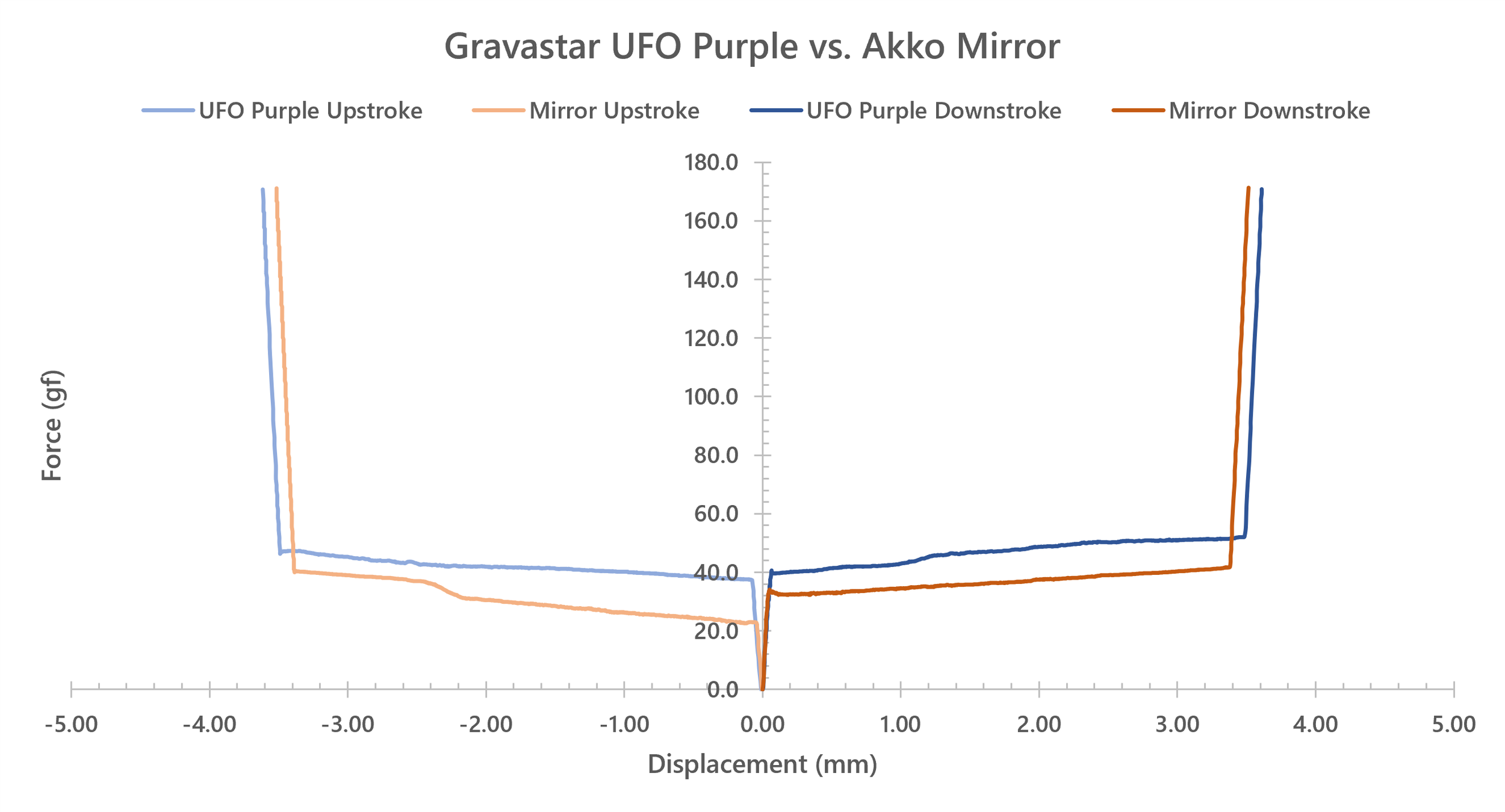
- These two linear switches exist on fairly opposite ends of the linear switch sound profile spectrum, with the Akko Mirror switches having a sound profile that is shaper, higher pitched, and a tiny bit more direct in its sound than the wider, snappier, and more bass focused sounds of the Gravastar UFO Purple switches. These switches are both nearly completely free of scratch sound though.
- There is just a tiny bit less N/S and E/W direction stem wobble in the Gravastar UFO Purple switches than there is in the Akko Mirrors.
- With respect to their smoothness, both of these switches are incredibly smooth right out of their packaging and both stand as great examples of how a very thin but deliberate amount of factory lubing can do well to shore up any scratchiness a switch might have without overloading them or making them feel gummy at any other point in their strokes.
WS Flux HE
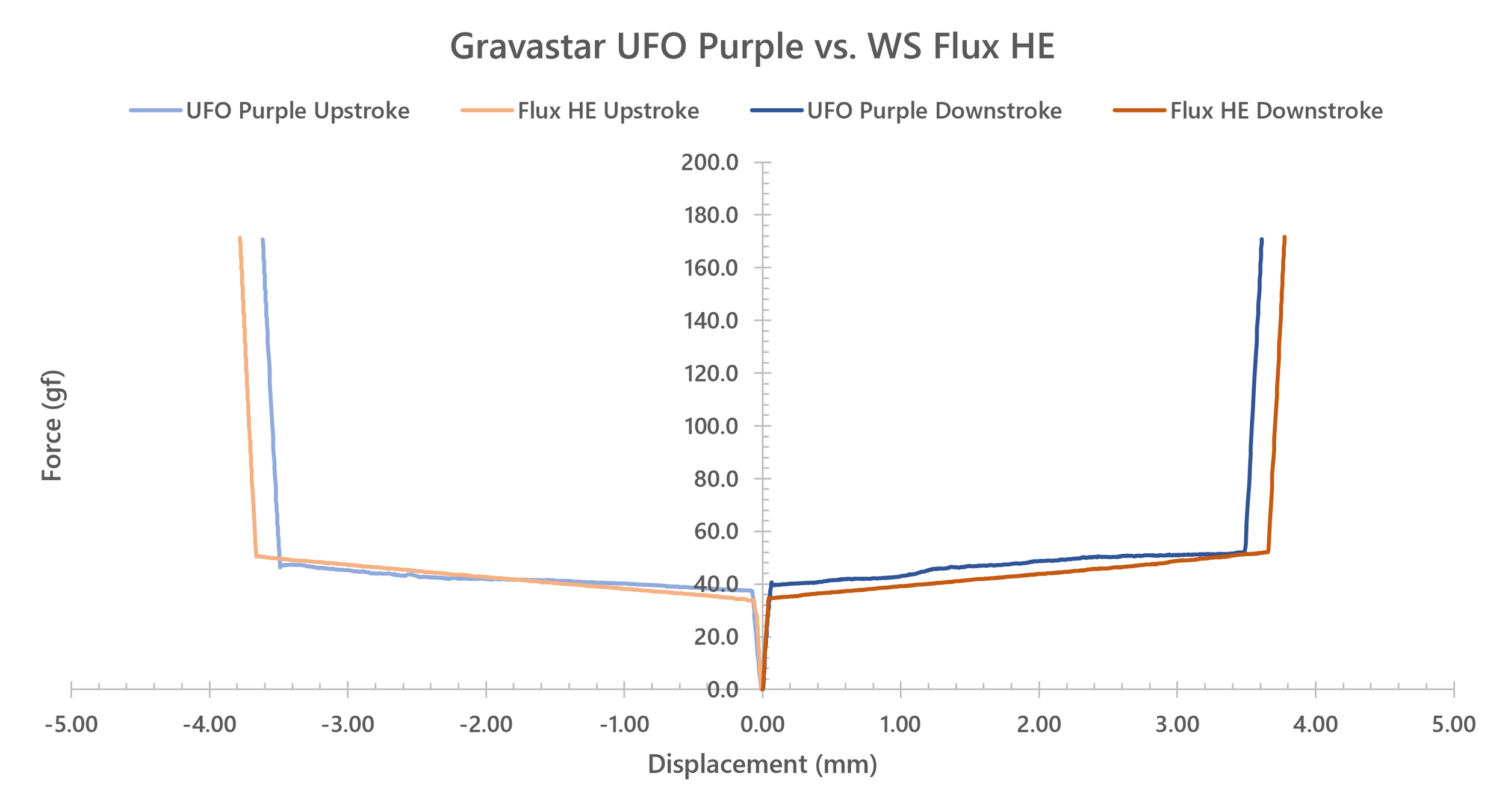
- The WS Flux HE switches are significantly louder than the Gravastar UFO Purple switches at their point of bottom out, carrying a much more vibrant, snappy tone that is louder, more deep and complex in its tone, and really just jumps out of the keyboard at the ears. Like many of the other switches on this list, these two also have sound profiles that are entirely free from scratch and ping as well.
- There is a fair bit less N/S and E/W direction stem wobble in the Gravastar UFO Purple switches than the WS Flux HEs.
- While both of these switches are on the costlier side of the Hall Effect switch craze – with the UFO Gravastar Purples getting as cheap as $0.75 per switch and the WS Flux HEs being closer to $2.00 per switch – they represent significantly juxtaposed goals in this switch space. While the WS Flux HE switches are definitely maximized for sheer performance at a cost-no-matter mindset, the UFO Purples are clearly designed with aesthetics first and look to maximize the uniqueness of their look with strong performance characteristics being a secondary feature.
Gateron Magnetic Jade Delta Dark
- Like the WS Flux HE switches above, the Gateron Magnetic Jade Delta Dark switches are louder than the Gravastar UFO Purple switches though definitely not to the same degree. While the Jade Delta Darks are closer to the WS Flux HEs in sound than the UFO Purples, they do have a bit more depth and less of an outgoing sound at bottom out than the Flux HEs.
- There is a fair bit less N/S and E/W direction stem wobble in the Gravastar UFO Purple switches than there is in the Gateron Magnetic Jade Delta Darks.
-
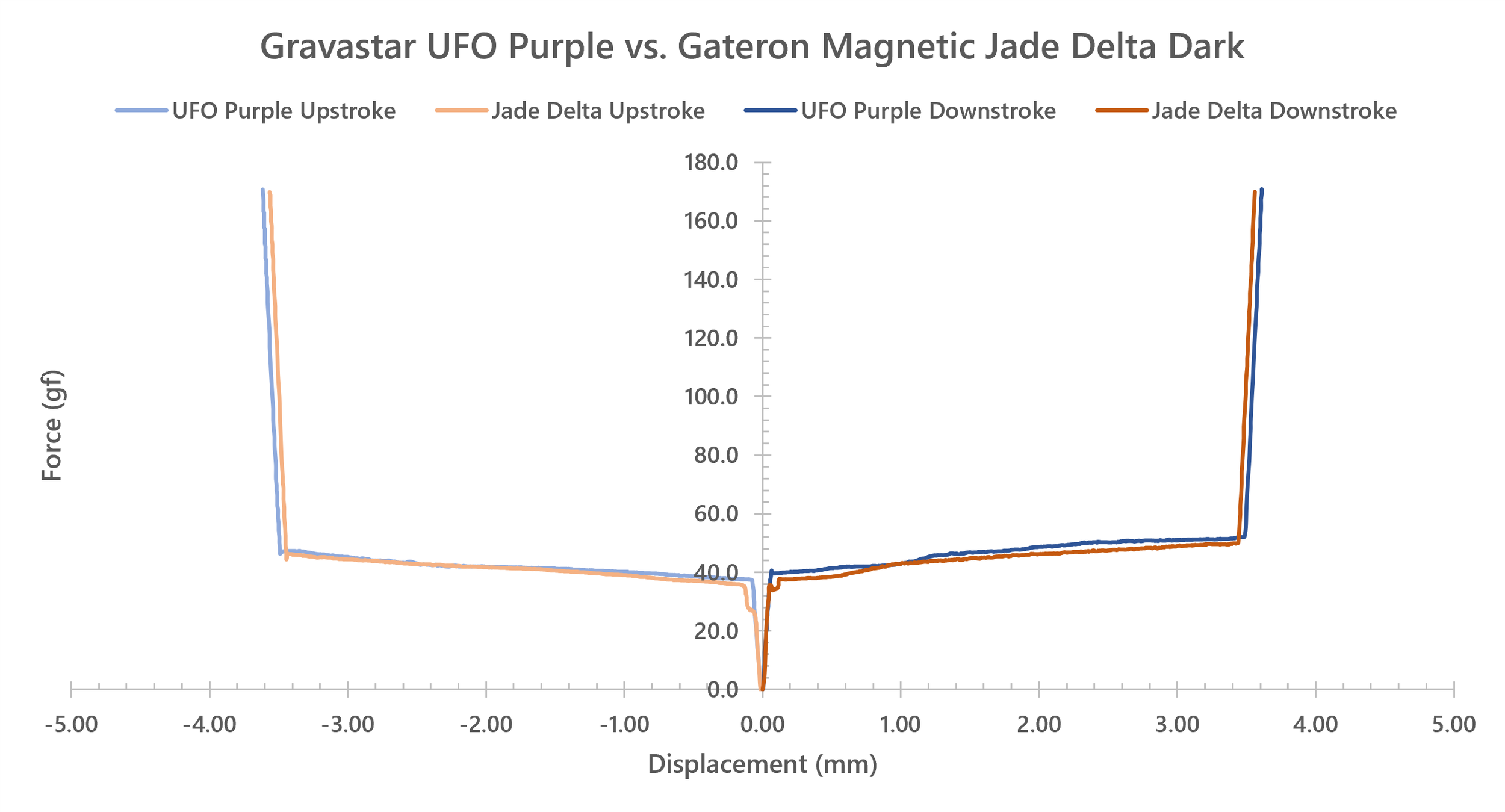
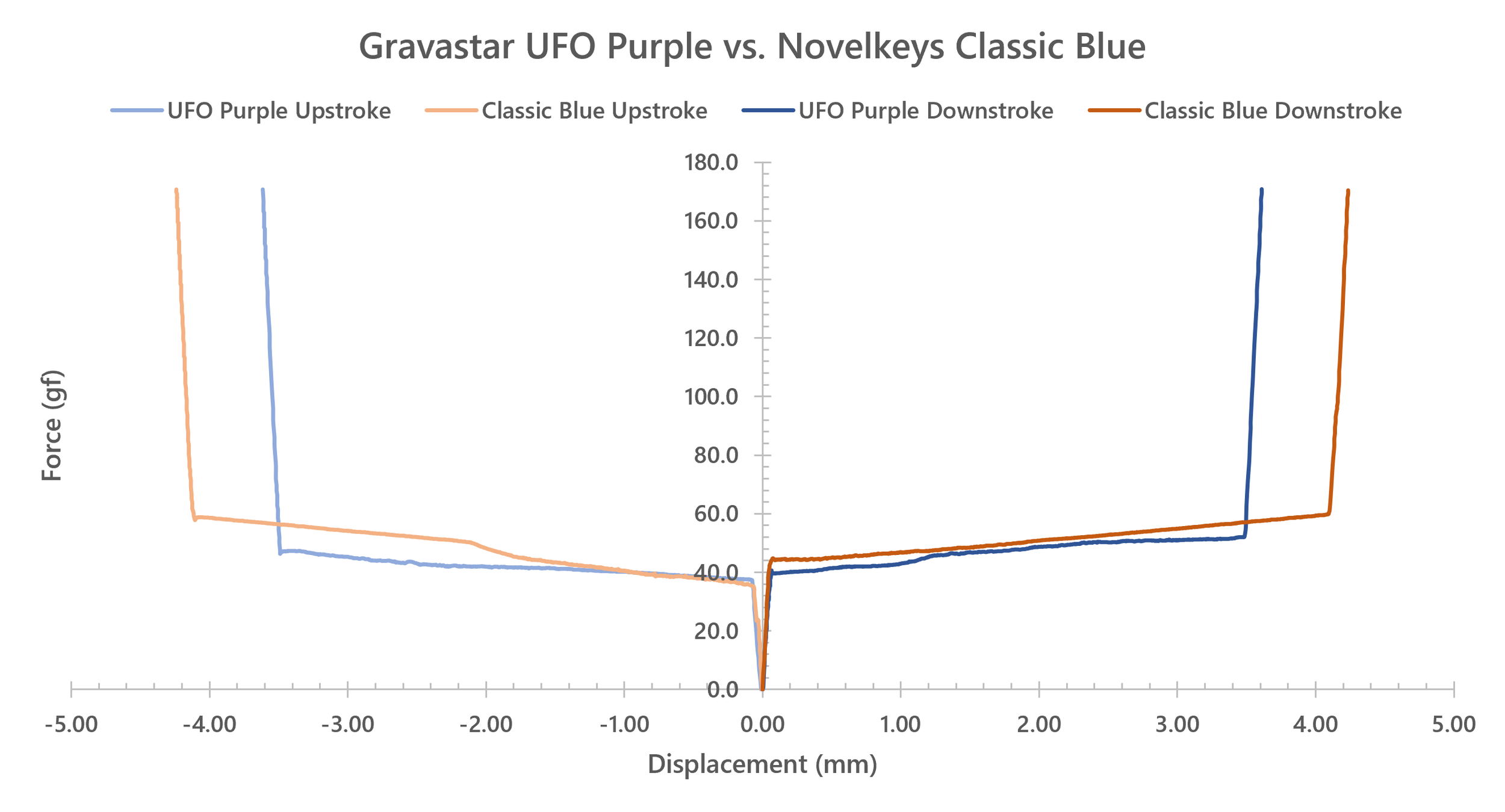
Despite what you may initially think, the comparative force curve between these two switches below actually is quite accurate. In hand these switches both feel as if they have a similar peak weight at bottom out, similar weight progression, and similar total stroke length throughout their downstroke.
Novelkeys Classic Blue
- In terms of their overall volumes, the Gravastar UFO Purples and the Novelkeys Classic Blue switches are the most similar to each other of any of the switches on this list. That being said, though, the Classic Blues have a sound that is narrower, more direct, and a bit higher pitched and sharper than that of the wider, more bassy sounding UFO Purples.
- The comparative force curve between these two switches below is quite accurate insofar that the Classic Blue switches definitely feel like they travel much deeper into their bottom housings on downstroke than the UFO Purples do.
- The Novelkeys Classic Blue switches do edge out the Gravastar UFO Purple switches in terms of stem wobble, having a fair bit less N/S and E/W direction stem wobble than the UFOs.
Linearity
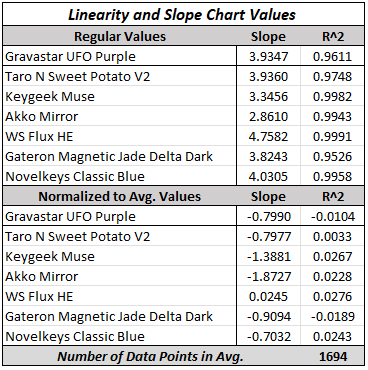
Figure 32: Absolute and relative Linearity and Slope values for each switch in the main comparison section.
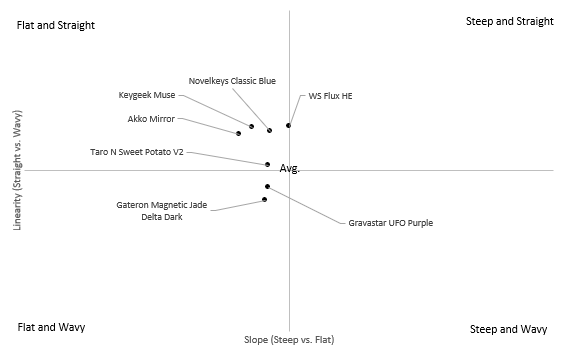
Figure 33: Qualitative comparison of the normalized Slope and Linearity for each switch in this comparison section.
If you are just now seeing this section for the first time and are a bit confused as to what I am talking about when discussing ‘Slope’ and ‘Linearity’, I highly suggest checking out my article titled ‘On Differences in Linear Switches’ where I explain what this section is for and how it came to be! For a bit of a shorter answer, know that this is part of my ongoing attempt to better quantify and articulate differences between linear switches which have historically not been captured in discussions about them.
Scores and Statistics
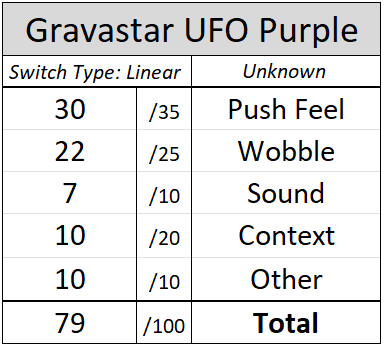
Note – These scores are not necessarily completely indicative of the nuanced review above. If you’ve skipped straight to this section, I can only recommend that you at least glance at the other sections above in order to get a stronger idea of my opinion about these switches.
Push Feel
With an out of this world, clearly aesthetic-first design, the actual push feeling of these medium weight, ~52 gf. bottom out linear Hall Effect switches is definitely among their most boring feature. These switches are smooth with a perfect amount of factory lubrication, feature no scratch or spring ping, and have a bottom out that is bassy, a bit snappy, and is accented well on the top end by a slightly smaller, complementary topping out. All positive notes, just admittedly a bit plain by all linear switch standards.
Wobble
There’s very little N/S and E/W direction stem wobble in the stock Gravastar UFO Purple switches that is highly unlikely to bother any user unless they are super picky about such.
Sound
The sound profile of the UFO Purples is one that is largely driven by their bottom outs, giving these switches a medium volumed, snappy bottom out that is a bit wide, a bit nuanced, and has a tiny bit of flair to them. With some movement in the pitch and volume of these throughout different typing speeds and not all that much nuance or specific niche that they fit into in terms of sound, it is again a bit basic and boring for a switch as stunning as these.
Context
Priced at cheapest around $0.75 per switch, these switches have caught a surprising amount of attention from the community for the price that they fetch. However, being locked to an unproven company in Gravastar who is clearly iterating upon these designs quickly, the long term availability for these okay-ish performing switches for their price is a bit uncertain.
Other
While it may feel a bit cheap to give switches points based on how they look, these are unambiguously one of the most stunning, artfully designed switches in years and they will be remembered for many years into the future just based on their bold designs alone.
Statistics
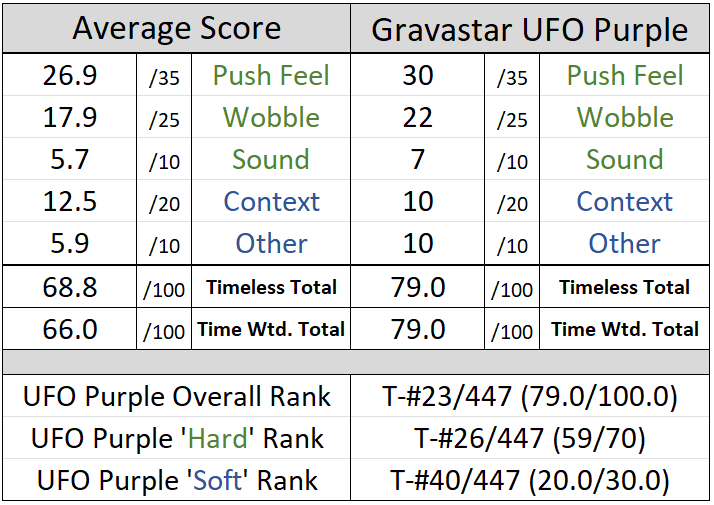
If you are looking at this statistics section and wondering what the heck ‘Timeless’ and ‘Time Weighted’ scoring is, consider checking out my short article titled ‘A Scorecard Time Change’. As a result of scoring becoming a bit anachronistic over the years, switches are now ranked in this statistics table using a “time weighted total” as opposed to their day-of scoring as discussed in that article. If you’d also like to learn about what ‘hard’ versus ‘soft’ ranks refer to specifically, I’d encourage you to head on over to my GitHub linked in the table above or at the links in the top right hand of this website to check out my database of scorecards as well as the ‘Composite Score Sheet’ which has a full listing of the rankings for each and every switch I’ve ranked thus far.
Final Conclusions
As I had implied towards the top end of this review, when a switch of any form – MX, HE, EC, or really anywhere in between – comes out in this day and age with a design as striking and truly out of this world as the Gravastar UFO Purples are, how could I simply not review them? I would argue with anyone that these are without a doubt among some of the most visually stunning and inventively designed switches that I’ve seen in many, many years and I certainly will remember them for as many years to come even if the rest of the community slowly fades them from their memory in favor of those switches which physically perform more phenomenally. Sure, the UFO Purple switches are not truly as maximized out on their unique visuals or aesthetics as can be seen with Gravastar’s latest ‘Buttiful’ pink variant of the UFO switches, but being the first in their lineup to be released they’re without a doubt trailblazing stunners. With all of that visual strikingness and appearance in mind, though, I have to admit that I was quite a bit underwhelmed with how these switches physically performed under finger. While I had no false pretenses that the $0.75 per switch price tag for these was likely due to anything other than Gravastar trying to recoup the costs required for the R&D efforts and mold developments of these switches, I guess I have been historically conditioned to expect something a bit more stand out in the feeling of switches at this price point – even Hall Effect ones. (No, Wuque Studio’s HE switch pricing hasn’t quite broken through my stubbornness yet…) All in all, the Gravastar UFO Purples are strong performing linear switches – they’re smooth, they have a great bottom out and complementary topping out, and they do all of this with admittedly a middle-of-the-road feeling, sound, tone, and presence that isn’t too extreme in really any direction. And while this does leave them performing well relative to this historical standard, it also leaves them feeling equally as plain when measured against the same range of linear switches that have been produced over the years. These are without a doubt somewhere a bit beyond ‘just good’ linear switches, and especially so for Hall Effect ones, but they are ultimately just that. They don’t stand out in terms of push feeling, nor do they have a unique sound profile or parts thereof. These switches don’t even take any real risks when it comes to their weighting, stroke length, or any more of the subtle nobs that can be twisted and turned in the design stage of a keyboard switch either. However, you can be damn sure that the Gravastar UFO Purple switches look stunning and absolutely hit the nail on the head for what it means to be a modern day, largely compatible switch that visually stands out from the crowd.
Sponsors/Affiliates
Mechbox UK
- A wonderful UK based operation which sells singles to switches that I’ve used above in my comparisons for collectors and the curious alike. Matt has gone out of his way to help me build out big parts of my collection, and buying something using this link supports him as well as my content!
proto[Typist] Keyboards
- An all-things keyboard vendor based out of the UK, proto[Typist] is a regular stocker of everything from switches to the latest keyboard and keycap groupbuys. While I’ve bought things from the many times in the past, they also are a sponsor of my work and allow me to get some of the great switches I write about!
Divinikey
- Not only do they stock just about everything related to keyboards and switches, but they’re super friendly and ship out pretty quick too. Divinikey has been a huge help to me and my builds over the last year or two of doing reviews and they’ll definitely hook you up. Use code ‘GOAT’ for 5% off your order when you check them out!
ZealPC
- Do they really need any introduction? Zeal and crew kicked off the custom switch scene many years ago with their iconic Zealios switches and the story of switches today couldn’t be told without them. Use code ‘GOAT’ (or click the link above) for 5% off your order when you check them out!
MechMods UK
- A rising vendor based in the UK, Ryan and crew have been a pleasure to work with and have nearly everything you’d need to build your first or fourteenth keyboard. Go build your latest or greatest one right now with them by using code ‘GOAT’ at checkout for a 5% discount!
Dangkeebs
- A longtime supporter of the website and the collection, Dangkeebs has quite possibly the widest variety of switches of any vendor out there. Not only is their switch selection large, but it rotates and is constantly adding new stuff too. You’re going to need 5% off your order with my affiliate to save off the cost of all those switches!
SwitchOddities
- The brainchild of one my most adventurous proxies, SwitchOddities is a place where you can try out all the fancy, strange, and eastern-exclusive switches that I flex on my maildays with. Follow my affiliate code and use code ‘GOAT’ at checkout to save 5% on some of the most interesting switches you’ll ever try!
Cannonkeys
- Does anybody not know of Cannonkeys at this point? One of the largest vendors in North America with keyboards, switches, keycaps, and literally everything you could ever want for a keyboard always in stock and with an incredibly dedicated and loving crew. Follow my affiliate link above in their name to support both them and I when you buy yourself some switches!
Kinetic Labs
- One of the most well-rounded keyboard vendors out there, Christian and crew have been supporters of all my switch and switch-adjacent needs for some years now. I’m honored to have them as an affiliate and think you should check them out using my affiliate link above to support both them and I when you check out their awesome products!
Keebhut
- Want to try out some switch brands that fly under most vendor’s radars? Keebhut is always seeking out that next latest and greatest and has been super helpful in hooking me up with new brands over the past year. They are all about sharing that love as well, and want to give you 5% off your next order with them when you use code ‘GOAT’ at checkout!
Kailh
- No, you’re not mistaken – this is actually that Kailh that manufactures switches. As one of the longest running manufacturers in the hobby, they have a massive variety of switches available over on their website at any point in time. I’m lucky to be affiliated with them now, and so consider using my affiliate link above when ordering some Kailh switches to support me!
Keebz N Cables
- Australia and Oceania’s very own is now a part of the sponsor list here and I couldn’t be happier to add this long time supporter of the collection to it. They’ve always got an amazing selection of switches (and other keyboard parts) in stock and they want to share the love that they’ve shown me with you all too! Use code ‘thegoat’ for 5% off your first order when you visit!
Further Reading
Gravastar’s UFO Magnetic Switch Sales Page
DIYKey’s Gravastar UFO Magnetic Switch Sales Page
HallEffectKeyboard’s Gravastar UFO Magnetic Switch Sales Page
Gravastar UFO Magnetic Switch AliExpress Wiki
Migss’ Gravastar UFO Magnetic Switch Review Video
Click and Thock’s Gravastar UFO Magnetic Switch Review Video
MikeyTypes’ Gravastar UFO Magnetic Switch Review Video