Taro N Sweet Potato V2 Switch Review
While it certainly hasn’t been all that much longer than usual between reviews, I’m glad to be back at the desk and writing another full length one for you all after what has felt like an unusually long extra week off. As shared on social media, I had a tiny bit of an impromptu work trip to Minnesota that really couldn’t be avoided and took up nearly the entirety of the workweek and free time that I would have had to work on this review along with it. Thus, it really felt like there wasn’t all that much I could do but push the review back. Pairing this unplanned trip up with my rather extensively planned short vacation at the end of this month to celebrate the ‘Biggest Week’ (of birding) with my girlfriend, it ultimately made sense to push things back now instead of muddle through the preparation and writing in a hotel somewhere just to delay another weekend a few more days down the road. Don’t worry, though, I’m back in my normal form and ready to get back to old traditions. Speaking of which, it has been quite a bit of time since the last April Fool’s Day has elapsed. Like specifically this year’s April Fool’s Day, not even last years. Hopefully you all got a chance to check out the Cherry MX2A Dummy Switch Review since it has been on the front of the website a little bit longer, though if not it’s not going anywhere! However, rather than patting myself on the back for a way-too-committed-to-the-bit prank review that everyone seemed to enjoy quite well, as is tradition on the website I want to open this first serious review after April Fool’s day with an appreciation of the other April Fool’s posts that I saw amidst the community this year. After all, I didn’t start doing April Fool’s keyboard content in a vacuum – they’ve always been one of my favorite niche traditions of the community at large that were here my very first year that I joined and have persisted to this very day! So without much more leading into it, here’s some of my favorite posts and product renders from this year’s small but still very much spirited mechanical keyboard community 2026 April Fool’s Day:
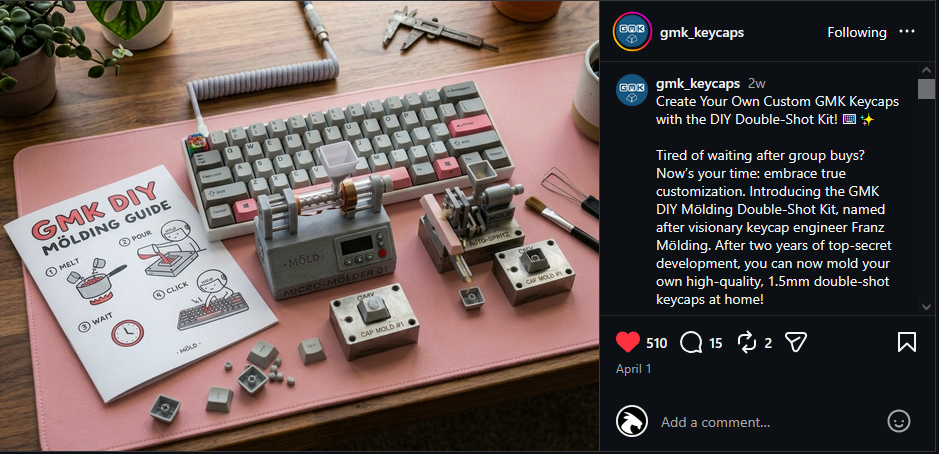
Figure 1: GMK bridging the gap between full keycap set production and artisans with their own DIY Double-Shot kit!
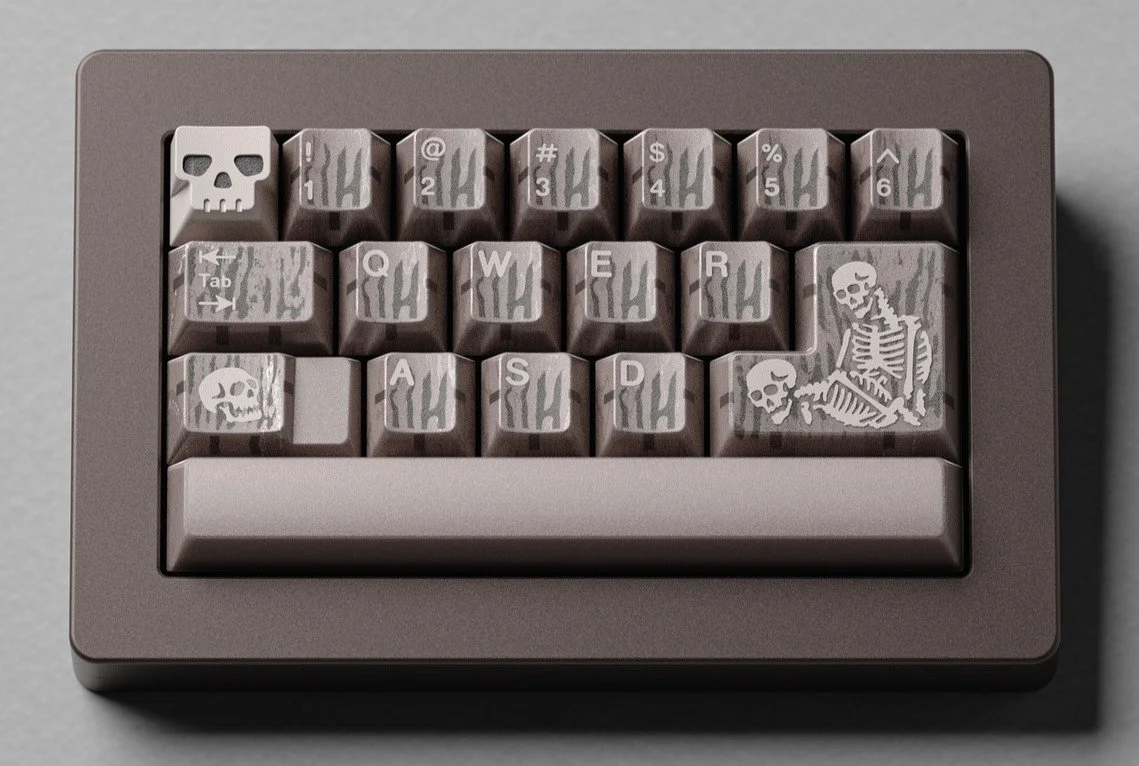
Figure 2: Bobatype's GMK BAE x BAE key and associated child kits on Geekhack actually toe the line of looking like neat, viable keycap sets.
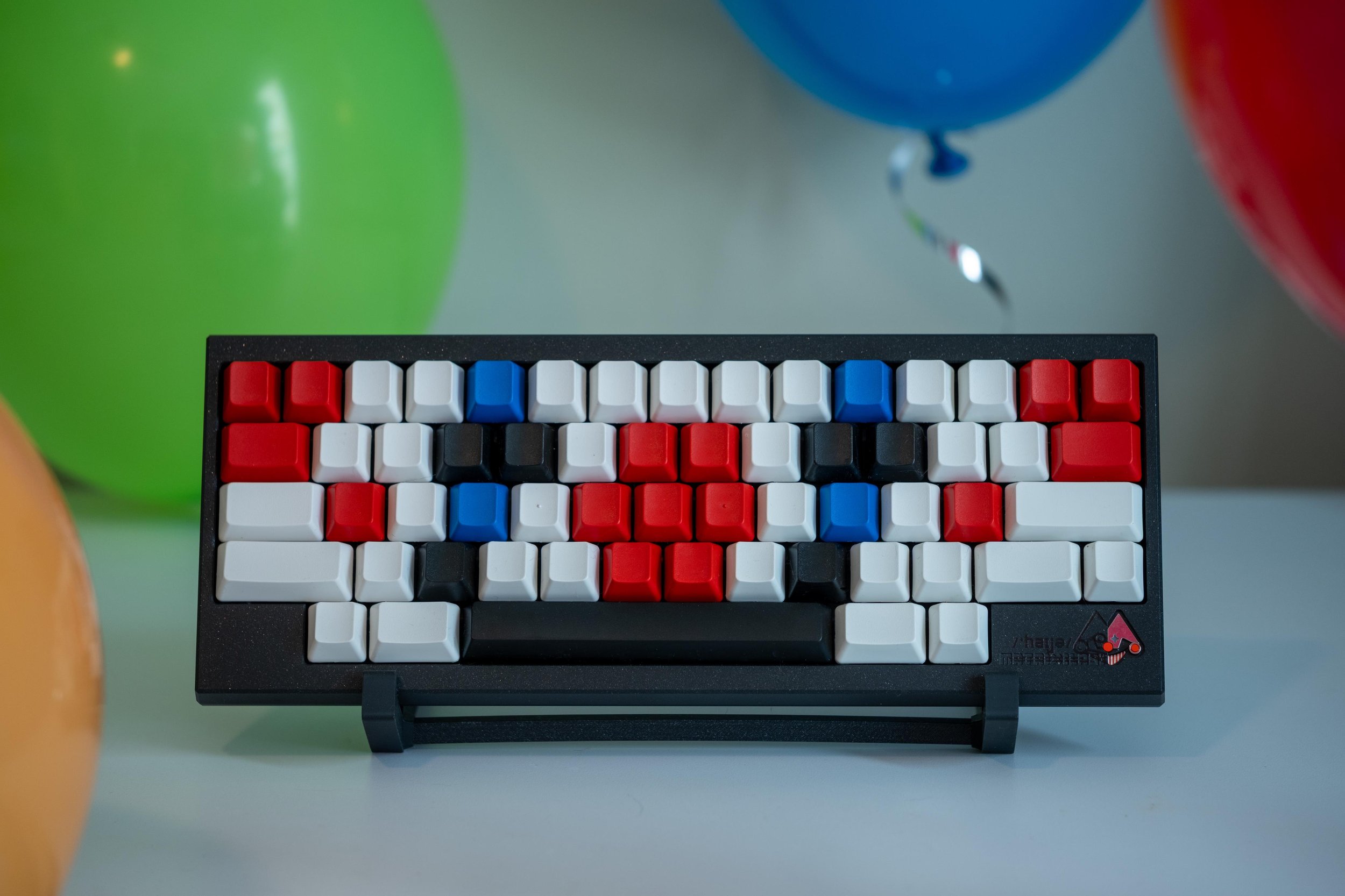
Figure 3: DCS Clown as this year's actual April Fool's product that made it through production.
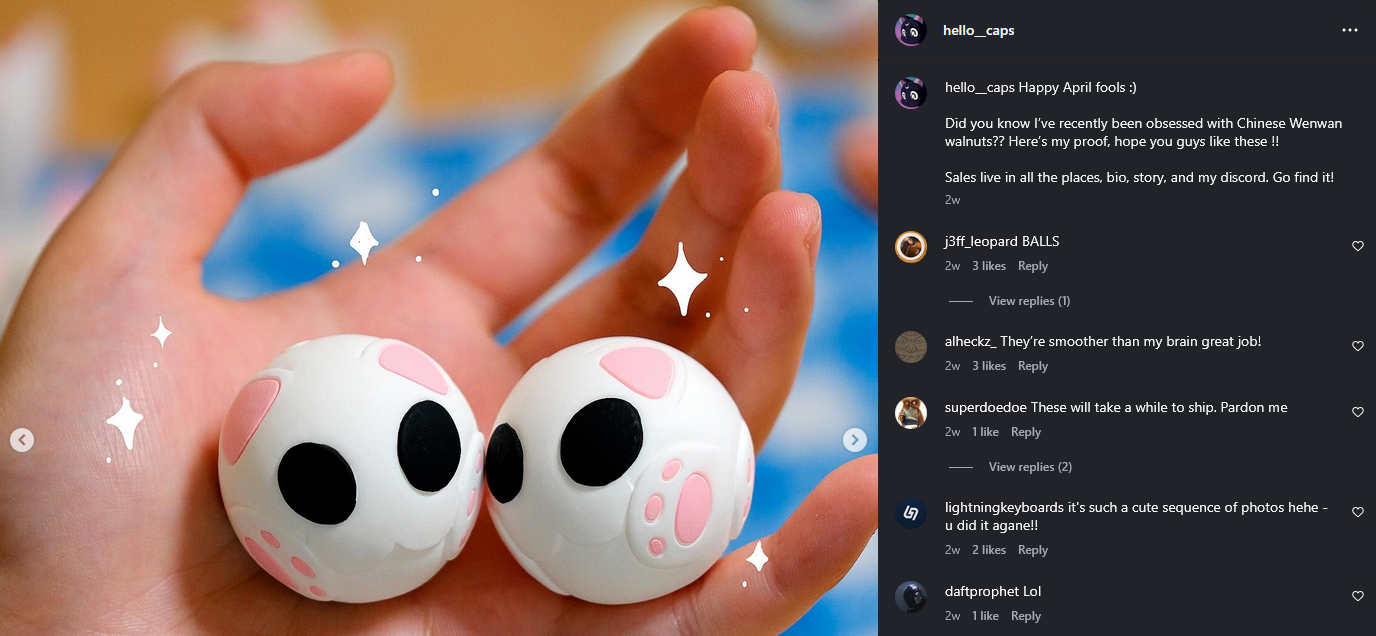
Figure 4: And of course would it be an April Fool's day in the artisan community without a new Bongo variant. This year it was Bongo.. balls?.. I guess.
Switch Background
Some switches are just obvious candidates when it comes time to select a lucky switch for any given upcoming weekend’s full length switch review. If the switch that immediately popped into your mind upon reading that is one that has a large, aura-defining characteristic that underpins them such as a unique mechanism, and insane amount of marketing from their championing brand or vendor, or even a juicy, drama-laden backstory that has the whole community interested in them, that is the kind of switch that I’m talking about. Those are the easier switches to review, in a way, as I don’t even have to think much about why I pick them for the review – I just have to get the already well known reason behind their existence onto the page as coherently as I can. However, not every switch I’ve chosen to review over the years fits well, or even partially into that category. Many of the switches have had less obvious reasons behind my selection of them for review. (That is other than trying to make for varied, unique content that separates me from the dozen other people who are sharing their opinions about switches to the masses at any given time.) Despite these switches making for some of my more entertaining, nuanced, and technically interesting reviews that I have written in hindsight, those details are always quite far from obvious to the readers when they first pop up on my home page. Their unique stories, performance, or intersection of multiple neat details sit just below the surface, waiting on someone to click in and read through. And by surface, of course, I mean several thousands of words. Admittedly, I’m certain that the Taro N Sweet Potato V2 switches come across this way to many of you reading this now. No shade thrown at Keebz N Cables, a beloved supporter and sponsor of this website might I add, but their Taro N Sweet Potato V2 switches definitely don’t fit into any of those “obvious” categories – unique, pushed, or salacious – and probably have you all wondering why I chose to look into these switches in the first place.
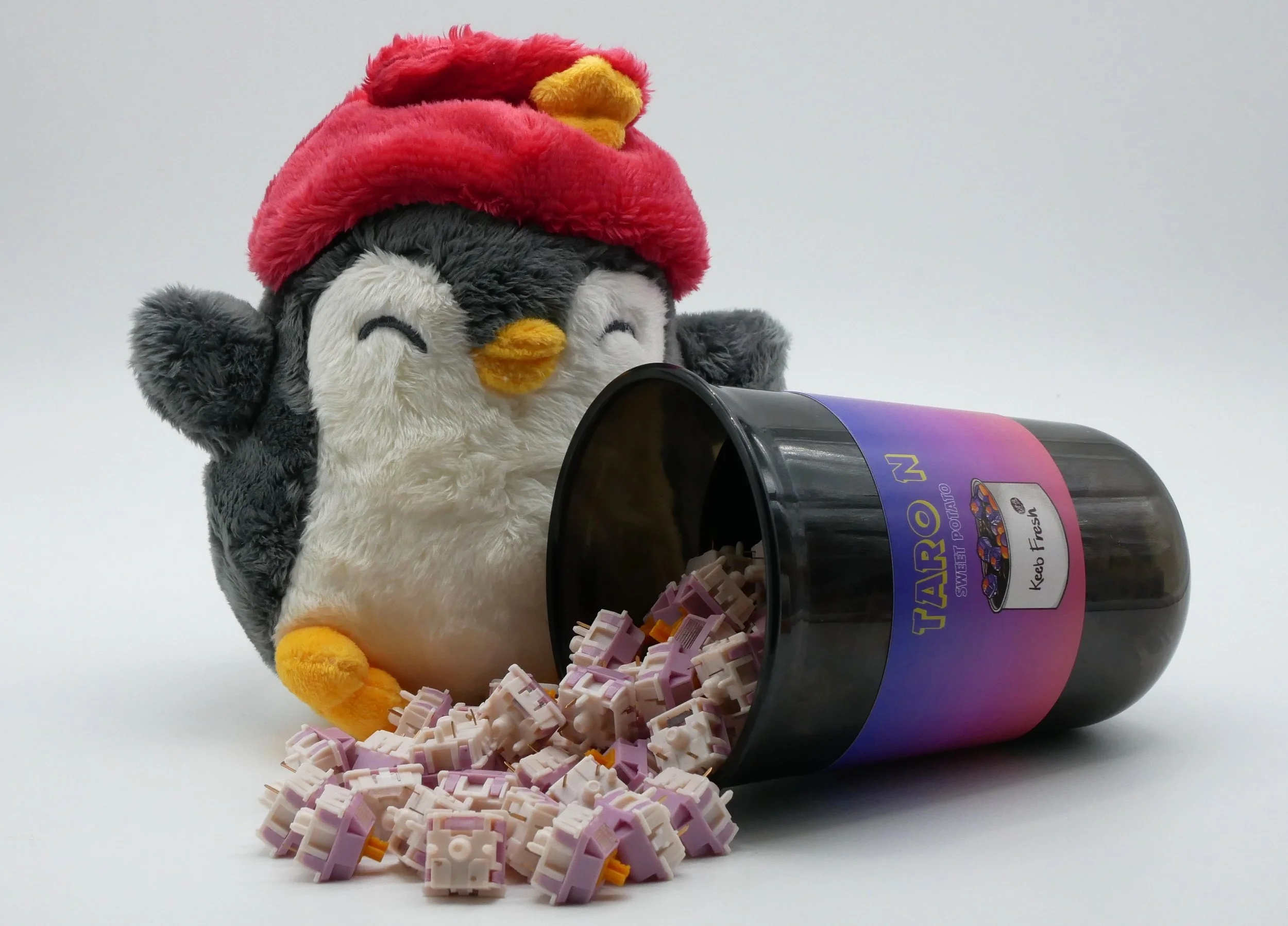
Figure 5: The TLDR for those of you wanting to skip out of this section is that the cute Keebz N Cables Icey Ice Penguin forced me to do it. Never mind that these aren't the Icey Ice Tactile switches.
Just because the Taro N Sweet Potato V2 switches don’t jump off the page as the most obvious of switches for the readers here on my website, though, doesn’t mean that they are overlooked, uncared for, or even obvious for most other people in the community. In fact, I’d argue that from the perspective of Keebz N Cables, as well as the majority of the Australian keyboard community that they support, these are some of the most obvious switches that they could have possibly released. Having been quite active in getting custom themed, brand-specific switches made over the course of the half decade that they’ve been around, it seems like every handful of months or so that they push out something new and exciting with a manufacturer that is just as new and exciting. One year it was Ice Kachang tactiles from Aflion. Before that (or maybe even the same year?) it was the Clickpig collaborations in Mountain Kings from Durock/JWK. Most recently I personally remember the Keebz N Cables Ice Cendols from HMX, though I know I’m missing a good few in between the Ice Cendols and the Ice Kachangs. The list has grown so extensive, in fact, that they are one of the few vendors left selling in-house specific switch sample packs of just the switches that they’ve pushed out over the years. Though as you pump out this many switches from as many manufacturers over such a relatively short span of time, there are some that gain more attention than others. Switches that just do so well in terms of community appreciation and sales volume that they almost deserve another chance in the limelight. And despite all of those other switches doing well enough for Keebz N Cables to restock them multiple times over, believe it or not it is actually the 60 gf. weighted long stemmed linears with LY stems from BSUN known as the Taro N Sweet Potato linears from late 2024/early 2025 that were actually one of their single most successful switches. So when the opportunity arose to revisit the designs of the Taro N Sweet Potato switches and iterate on them to make something even better, much like they have with many of those other named releases, how could they not seize that chance? The chance to make a brand new, hit version of the Taro N Sweet Potato switches with… Keynation?.. could not have been any more obvious for the Keebz N Cables team.
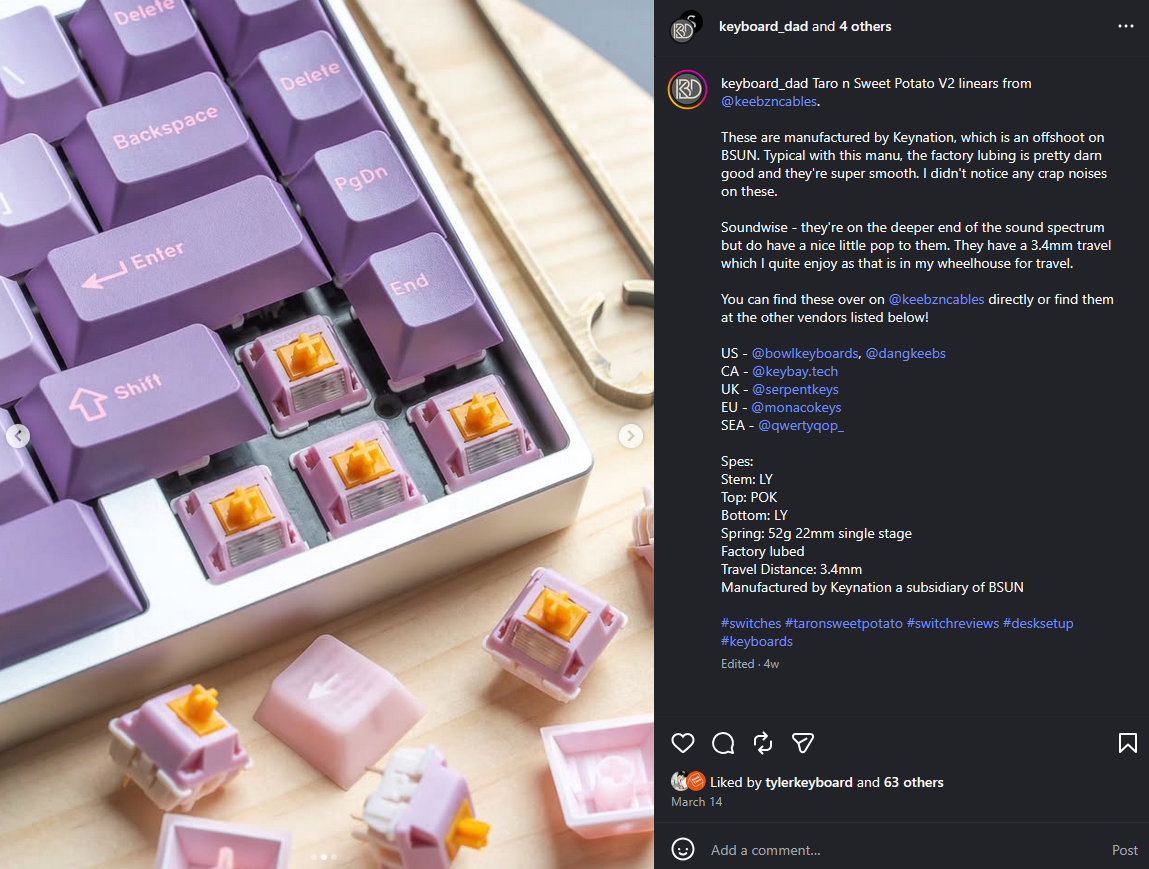
Figure 6: Well color matched photos of the Taro N Sweet Potato V2 switches taken by Keyboard_Dad and collaboratively posted with Keebz N Cables.
Alright, for those of you taking notes at home along with the review, let’s compare. The first paragraph was rounded off mentioning potential non-obvious contextual features behind this switch as one thing motivating my interest in them and then the second paragraph above wrapped off with a poorly syntactical effort to emphasize “Keynation” of all things in that sentence. Clearly Keebz N Cables’ affiliation with this new manufacturer or brand must be the thing that brings this all together, right? That is exactly correct, though the spoiler as to the ‘non-obvious’ part of the claim is that Keynation, as well as these very switches, are actually all interconnected with multiple recent reviews of mine. Let’s briefly recall the BSUN Golden Apple Switch Review. For those of you who didn’t read it, or even those of you that have forgotten the background section to that review, I introduced “FOD”, or “Four of Diamonds” as a BSUN-backed spin off brand led by Tango, a female engineer with over a decade of experience with BSUN, looking to spread her wings and differentiate herself a bit. Towards the tail end of that background section that fairly rigorously went through all of the FOD offerings listed on ZFrontier to date, though, I point out that Tango and her team effectively seemed to just drop right off of the map by the time that the Golden Apple switches started making the rounds in the west. And while this is true from the perspective of FOD, they certainly didn’t disappear altogether – they just fully transitioned into the brand Keynation, otherwise shortened as KNT. Though this wasn’t a transition that happened sometime shortly before or after the BSUN Golden Apple Switch Review, rather it is more so a soft merging of two different brands – FOD and KNT – that I guess were both run by Tango and her team the entire time? See, Keynation first introduced themselves on ZFrontier on July 28th, 2024, with a slew of previous releases already behind them as “Tango Studio” and seemingly a roster of future releases being announced all at once. While the timelines for each of the nearly a dozen different offerings they shared are a bit hard to pin down formally, the announcement was dotted with near a dozen different stand out releases including the KNT Magnetic Switch 1.0s, Pop and Pipi duo, the five blue switches of the “Deep Dive” family, as well as more familiar faces such as the “KNT x Angry Miao Icy Silvers” and “KNT x Drilling Hall Butterflies”. I stress familiar, here, as both of those releases were pretty big headliners for FOD, the brand, as I had introduced in that previous review. While the brand of FOD has all but disappeared following their announcement of the ‘Iceberg’/’Ruixue’ switches in August of 2025, KNT seems to be cranking out switches left and right to this very day. Much like they did with the Taro N Sweet Potato V2s.
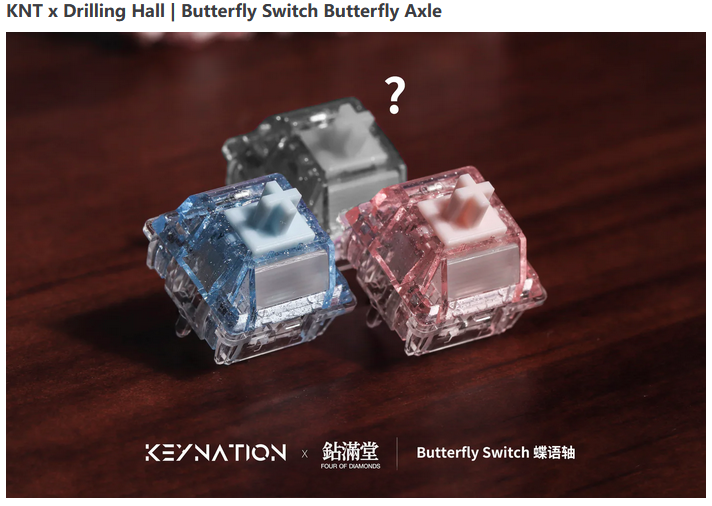
Figure 7: Snippet from Keynation's ZFrontier debut post showing their 'collaborative' release of the Butterfly switch with Four of Diamonds.
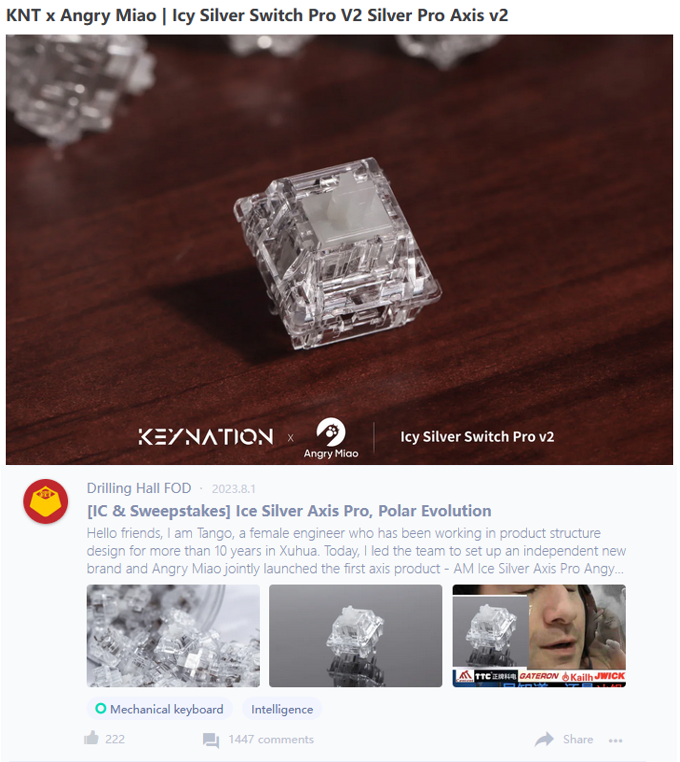
Figure 8: If that previous image wasn't on the nose enough for you, how about posts from Keynation (Top) and "Drilling Hall" FOD (Bottom) both announcing the same Angry Miao collaboration.
While at this point I’m sure this all just seems like a confusing case of mistaken identity on my part due to a lack of proper research, what it actually is is just one small step into a larger, ongoing identity crisis that permeates not just into the background of the Taro N Sweet Potato V2s and BSUN Golden Apples, but even as far as the WEKT Lucy R5 switches that I reviewed in between those two. (Yes, believe it or not, my decision to not mention BSUN, Keynation, and all of the spin offs I’m about to lay on you now did get me a soft bit of push back from some fellow switch collectors upon reading the background of the WEKT Lucy R5 Switch Review.) Keynation and FOD, both of which were led by Tango, are in fact not the only sub-brands to have spun off from the orbit of BSUN over the course of the past year or so. Seemingly being pitched at first as a budget, entry level line to the custom depths of the mechanical keyboard community not dissimilar to Everfree from Gateron or Long Hua from Kailh, BSUN also began semi-regularly pushing switches out through the brand “Ruben” around 2025. (This is despite the name being mentioned as early as mid-2023!) While I’m sure Ruben doesn’t seem all that different from Everfree or Long Hua given that description, they certainly are anything but those two as a result of having directly given their parent company BSUN a bit of a direct identity crisis. Through conversations with BSUN, Ruben, and so on, switch collectors in the west have not just learned about the connection of KNT and FOD to BSUN as a whole, but that the subset brand of Ruben was eventually carried off by some other designers or engineers from BSUN to form first their own unique venture… and then Wingtree. Yes, Wingtree was formed by BSUN engineers that spun off through Ruben that started as an offshoot not dissimilarly to KNT and FOD. The same up-and-coming manufacturer, Wingtree, that not only produces their own switches from their own molds, but also has switches available for sale on Unikeys right now that were supposedly molded form original LICHICX molds. The same sort of thing that WEKT was claiming to have done in the Lucy R5 switches, but like actually for real. So for the note takers, this means that BSUN has split? shattered? spunoff? some other ‘s’ verb? into sub-brands of Keynation and FOD which are still entirely supported by BSUN and ran by the same person that may well be potentially also connected to sub-brand Ruben that is definitely no longer a BSUN-supported sub-brand but rather a brand that led to people forming Wingtree, the company now keeping old LICHICX switch molds alive. And that’s just the degree to which we in the west have been able to unravel stuff. This is exactly why I chose the Taro N Sweet Potato V2 switches for this review – they’re not only intriguing linears in their own right, but they could very well have, in theory, been produced on a production line only a dozen or so feet away from the BSUN Golden Apple switches, or a LICHICX-made switch, or maybe a Wingtree switch if they’re still in good standing with BSUN and their facilities… It’s complete speculation, sure, but oh boy what an interesting background that is.

Figure 9: You're right, the BUSN Identity Crisis does absolutely feel like this.
Yanking the steering wheel back out of the ditch that is the BSUN Identity Crisis that I most certainly cannot spend all that much more time on, the Taro N Sweet Potato V2s are some of the latest switches to be released by Australian keyboard community staple Keebz N Cables. A modification of their best selling linear switches from late 2024/early 2025, the V2 version of the Taro N Sweet Potato switches are slightly lighter weighted at 52 grams of bottom out force and feature an LED diffuser wedge in the front while still maintaining the same BSUN (I think???) factory lubing and POK over LY with LY stem housing construction as the originals. Officially listed for sale in mid December of 2025, following rounds of teasers and announcements from various locations a couple of months prior, the Taro N Sweet Potato V2s have sustained moderate community success in the four months since their release and have even sustained a larger worldwide reach than the originals with supporting vendors present in the US, Canada, UK, EU, and SEA as of the time of writing this switch review. Depending on where they are purchased from, they are currently available in the $0.50-0.55 per switch price range, with purchases directly from Keebz N Cables in quantities greater than 80 featuring novelty packaging and a themed dessert spoon as well. While the long term future of the Taro N Sweet Potato V2 switches is unknown as of the time of writing, it is presumed that they’ll be available in this iteration or some future “BSUN offshoot”-offshoot variety given that Keebz N Cables has a track record of supporting and improving their custom releases year over year.
Taro N Sweet Potato V2 Performance
Appearance
At the highest level, the Taro N Sweet Potato V2 switches come in an orange stemmed light purple-pink over white colorway design that is an exact match to the classic Taiwanese food dish that inspired their name. While most switches themed after a specific object or food dish do tend to be fairly close in their color pallet interpretations, this is by far one of the best examples I’ve ever from over the years with each of the components having a color that nearly perfectly matches the little tinted tapioca starch balls of the taro and sweet potato desserts that can be found online. Additionally, the V2 version of these switches do appear to be fairly closely color matched with that of the original V1 run of them, despite being supported by Keynation as a subsidiary of BSUN rather than by BSUN at large. At a distance the V2 and V1 variants will likely be fairly hard to distinguish from one another, but up close the V2 Taro N Sweet Potato switches will very cleanly and clearly stand out as such on account of their “KEYNATION” nameplates, LED diffusers, and a few other small design details worth noting. Discussions of these features of note may be found in the paragraphs and photos below.
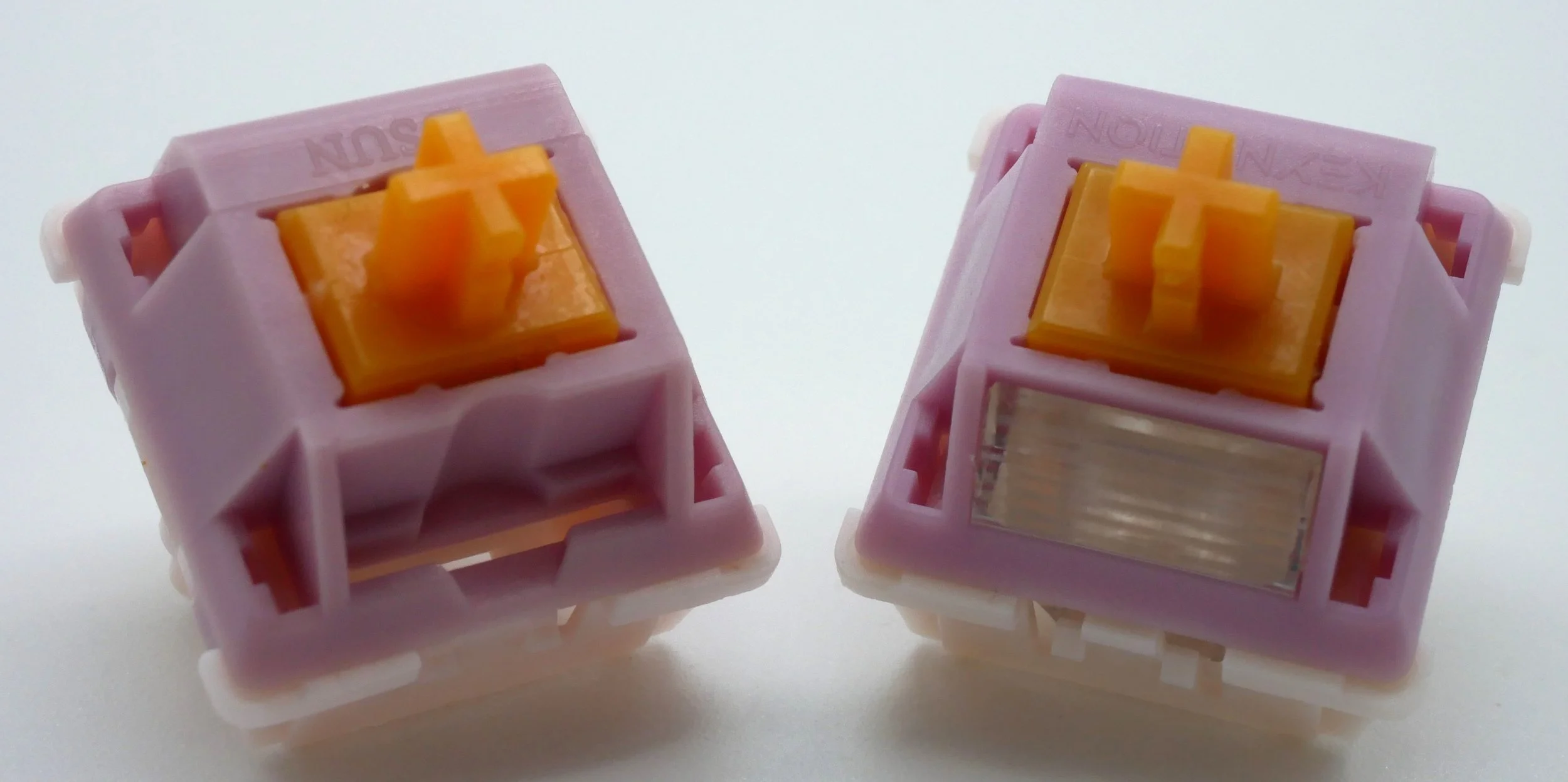
Figure 10: Color comparison between the Taro N Sweet Potato V1 (Left) and V2 (Right) switches. Note the slight differences in color and nameplates.
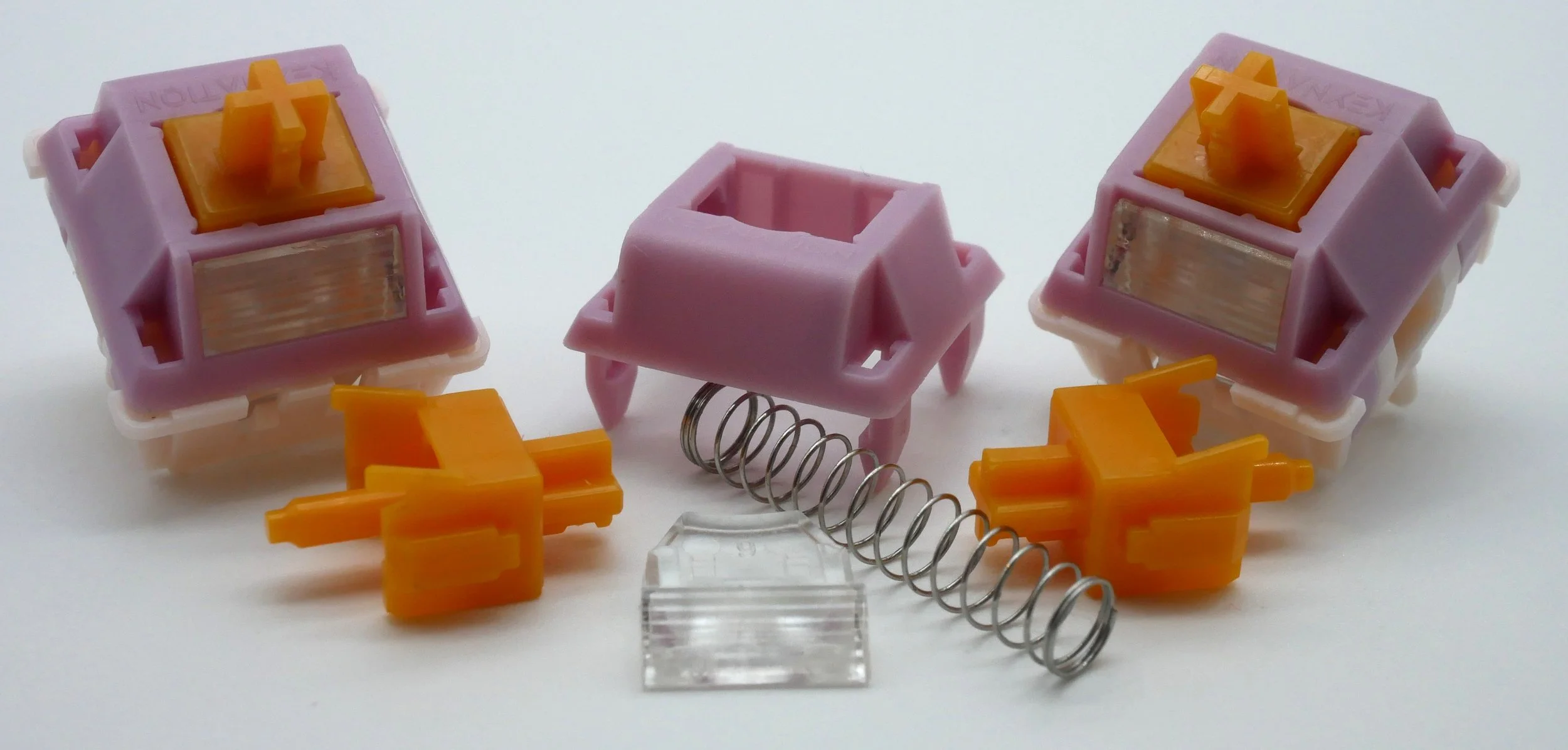
Figure 11: Taro N Sweet Potato V2 switches and their components.
Looking first to the purple-pink, POK material top housings of the Taro N Sweet Potato V2 switches, these feature quite a few direct features in the housings and indirect features by way of their affixed LED diffusers that separate them from them from the V1 variants of these switches. The most notable new feature of these switches is directly embossed into the top housings in the form of the inverted “KEYNATION” nameplate that is seen in all texts and with some stylized letters. While this is the only immediately recognizable nameplate that Keynation/KNT has repped in a switch to date, some other switches that they announced through their ZFrontier debut also see them sporting “FOD”, “CXBEROVE”, and even “SW” (Swagkeys) nameplates as well. While much more subtle than the nameplate, the exterior of the top housings also appear to be very lightly matte in texturing, something which is much more subtle than what could be seen on the Taro N Sweet Potato V1 switches. Internally, the top housings feature a fairly standard design with only two features of note worth pointing out – one in the form of a sideways mold marking in the form of a capital letter on the outer edge of the housing and two in the form of small, textured brackets etched into the tops of the housings where the stems collide with the housings at topping out. As for the LED diffusers, these come preinstalled in the switches straight out of the box and are fairly easily removable once the top housing is separated from the switch. These feature a diffuser pattern that is a series of straight-across raised lines as well as affixing clips on the front edge of the wedge shape that both surrounding a single numerical mold marking and help hold them to the top housings.
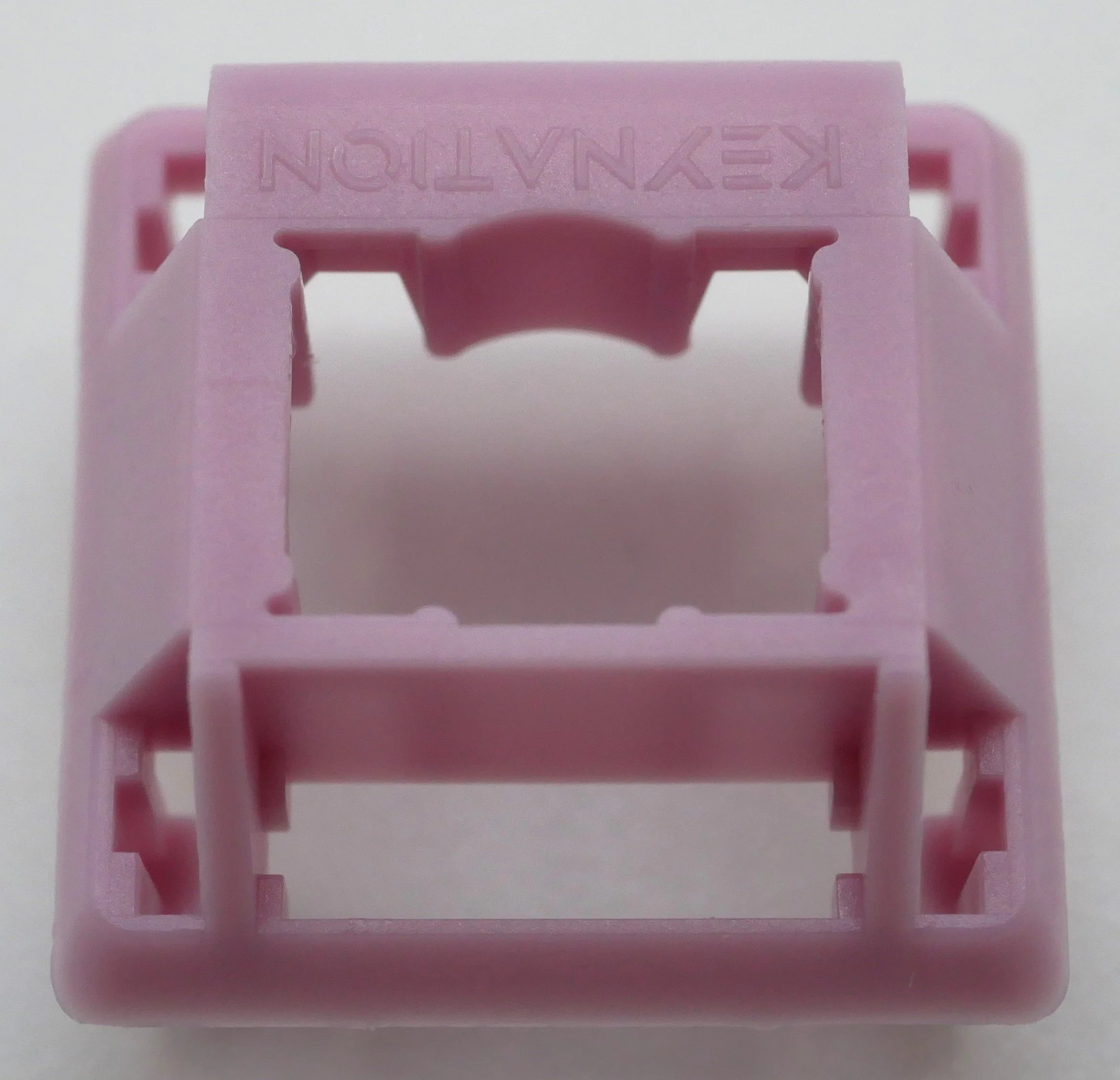
Figure 12: Taro N Sweet Potato V2 top housing exterior showing wide open LED slot for wedge diffuser and inverted KEYNATION nameplate.
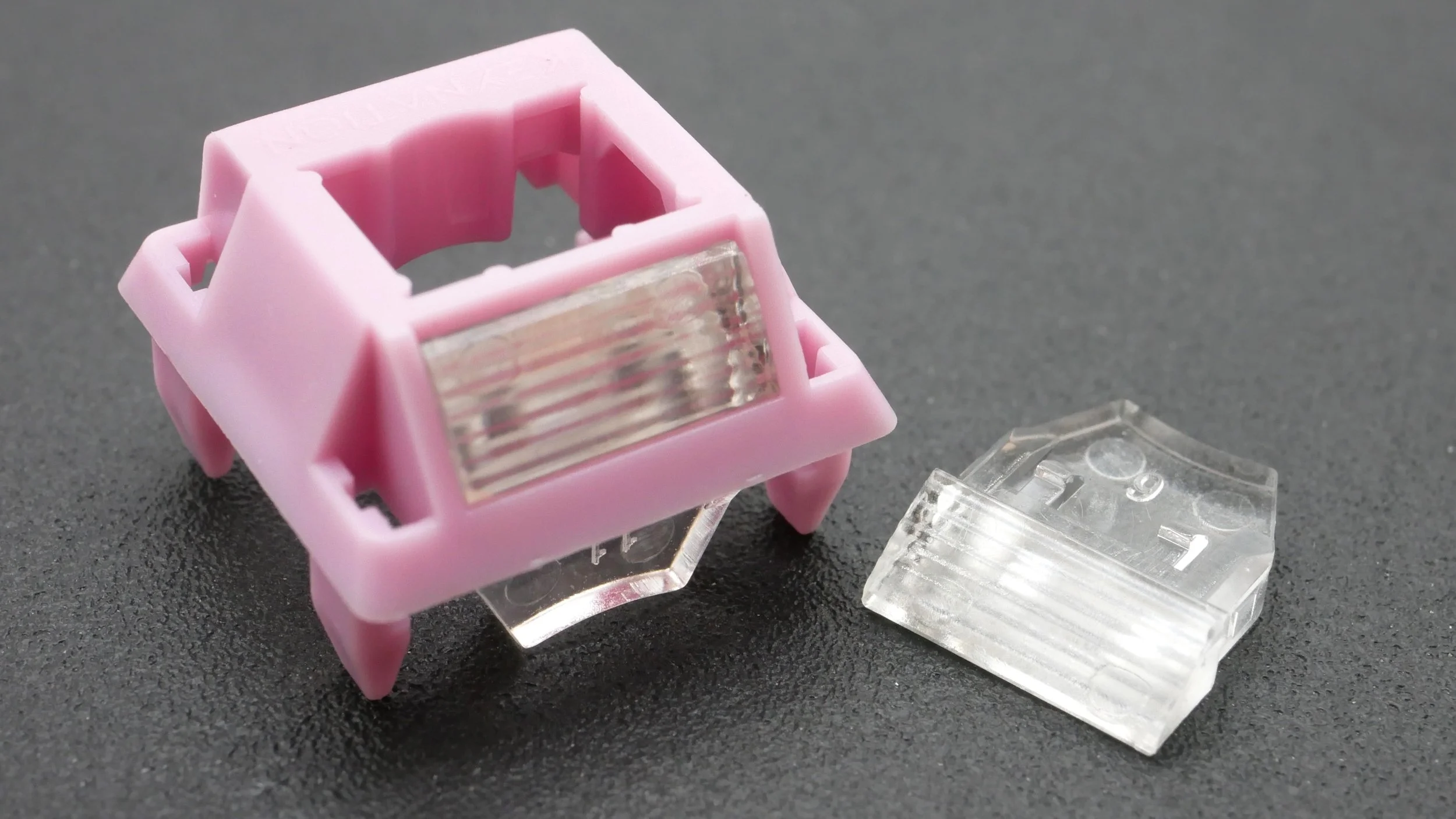
Figure 13: Taro N Sweet Potato V2 top housing exterior with LED diffusing wedge installed as well as loose from the housing. Note the individual numerical mold markings on each diffuser.
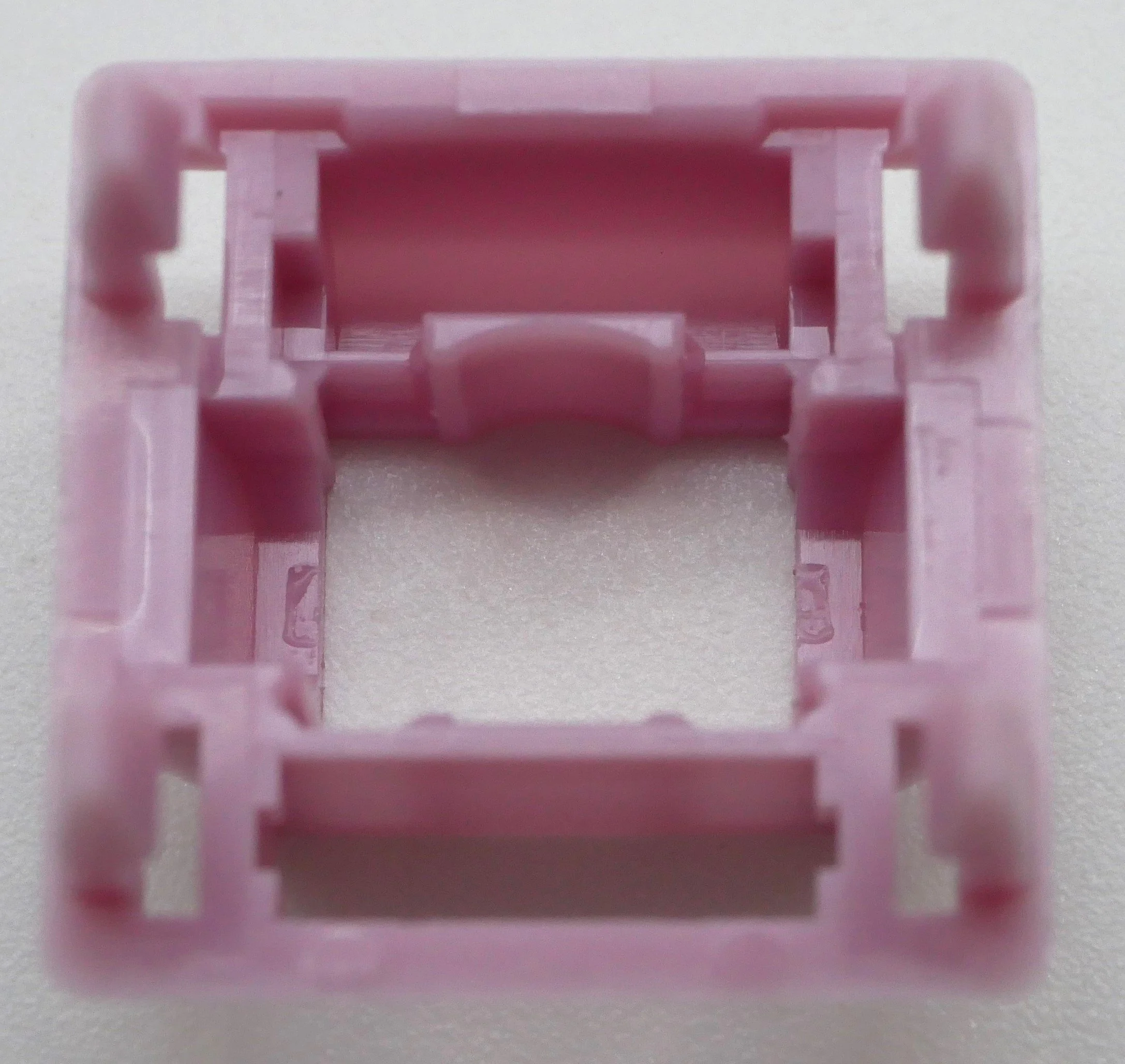
Figure 14: Taro N Sweet Potato V2 top housing interior showing fairly normal BSUN housing interior as well as small features at the point of topping out to potentially aid in softening the stem returns in normal keystrokes.
Moving next to the orangey-yellow, LY material stems of the Taro N Sweet Potato V2 switches, these feature surprisingly little in the way of unique details or design choices despite being arguably one of the key features of a linear switch as such. These stems feature barely tapered slider rails, mold ejector circles on the front plates of the stem, and a strongly tiered, fairly normal looking center pole that just leaves these appearing really like any other stem, and especially one made by BSUN through comparison with the tactile stems from the BSUN Golden Apples. Surprisingly, though, in hand the LY stems maintain a fairly slippery texture even after the factory lubing that came with them was thoroughly wiped off through contact. While there doesn’t appear to be any globs of excess lube located anywhere on the stems or really in the housings of any of the switches that I opened, it is entirely evident that these switches are well lubed and feature what feels like a deceptively heavy and thick coating of lube despite very clearly being thin in appearance.
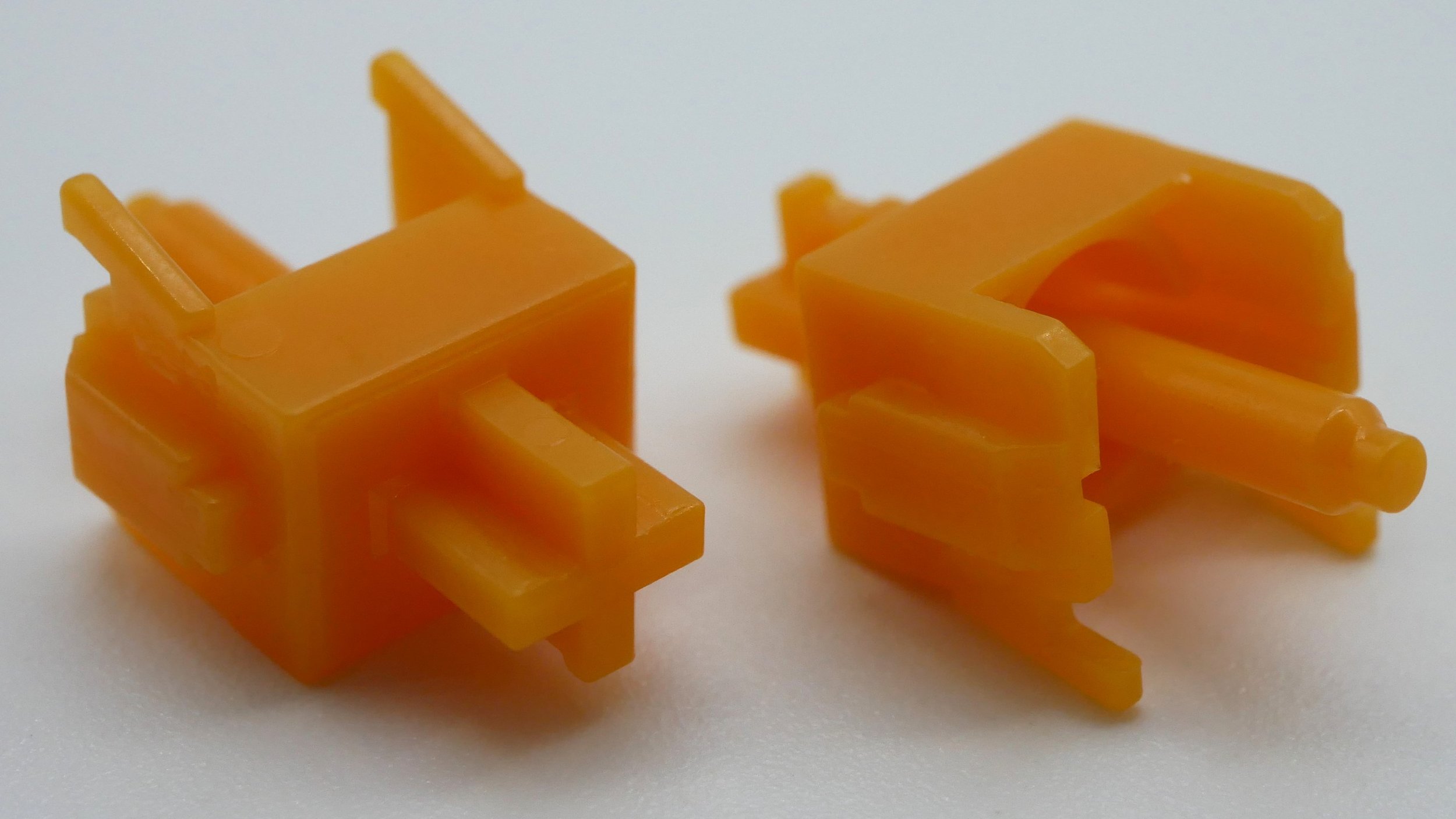
Figure 15: Taro N Sweet Potato V2 stem front and back showing their slightly tapered slider rails, mold ejection circles on their front plate, and strongly tiered center pole.
Finally arriving to the tapioca starch white, LY material bottom housings of the Taro N Sweet Potato V2 switches, we’re greeted with a much more subtle congregation of unique design points than the top housings above, but arguably even more impactful. Internally, the housings initially look plain but feature a range of small details that have only recently began seeing consistent appearances in switches in recent years, such as a slightly textured internal base with mold ejector circles, a ring around the center stem pole hole, a fairly wide but flat south side spring collar, and vertical raised ridges inside of the slider rails of the housing to reduce the area of contact between the housings and stems. Externally, the Taro N Sweet Potato V2 housings come in 5-Pin/PCB mount variety with fairly stubby looking mounting pins and only a singular, small, and inverted capital letter mold marking between the metal PCB mounting pins. As a result of these housings being made of the same LY material as the stems, it should also be noted that these too maintain a slightly slippery in hand feeling to them, something which indicates that the sustained slipperiness noted above may actually have more to do with the LY material itself than excess lube still clinging to the stems of the switches. Either way, it is quite a bit of a jarring textural contrast when compared to the more evenly rough, less smooth top housings of these switches.
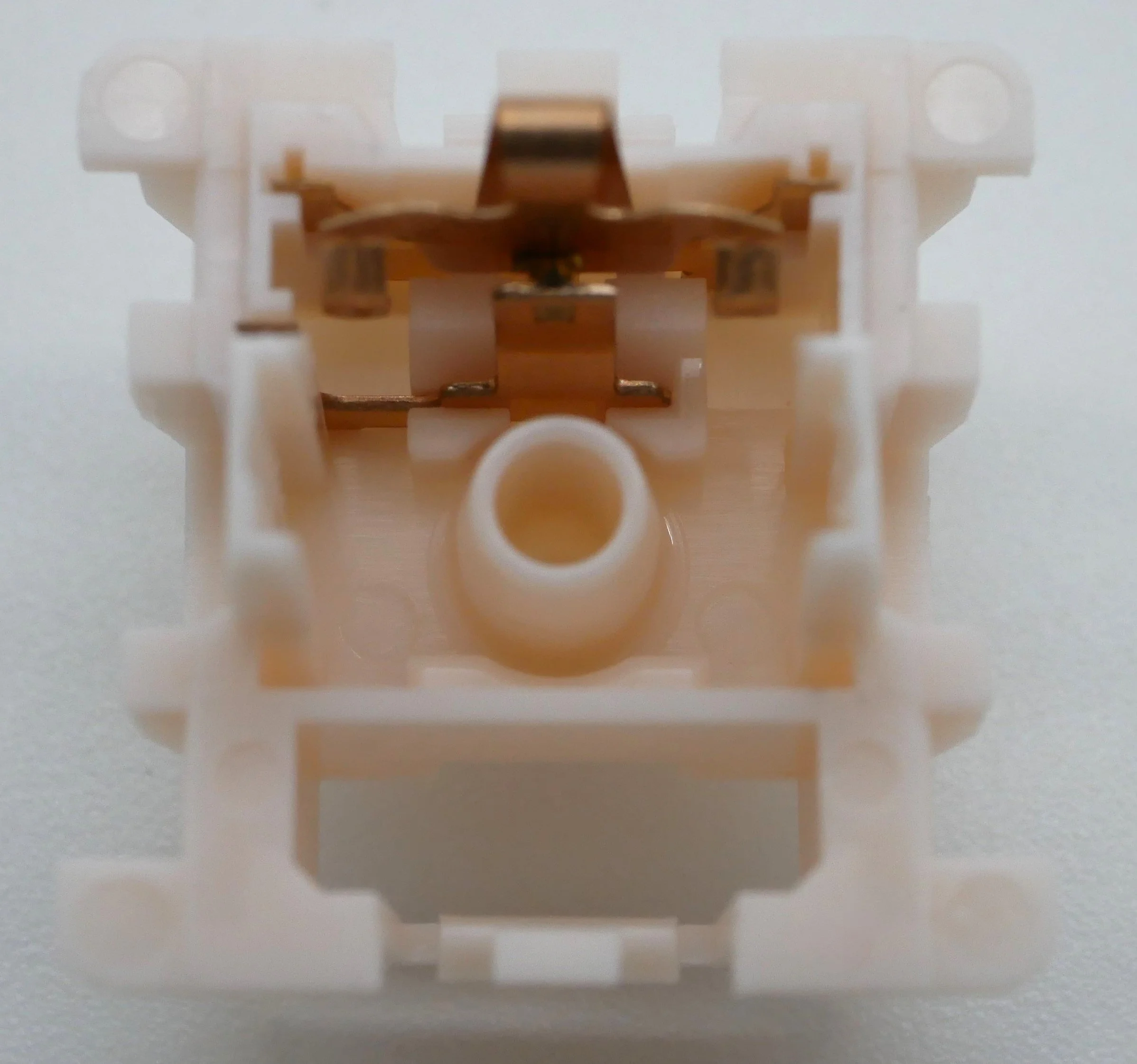
Figure 16: Taro N Sweet Potato V2 bottom housing interior showing mold ejection circles in the base of the housing, medium south-side spring collar, and slight ridges for area of contact reduction in the slider rails.
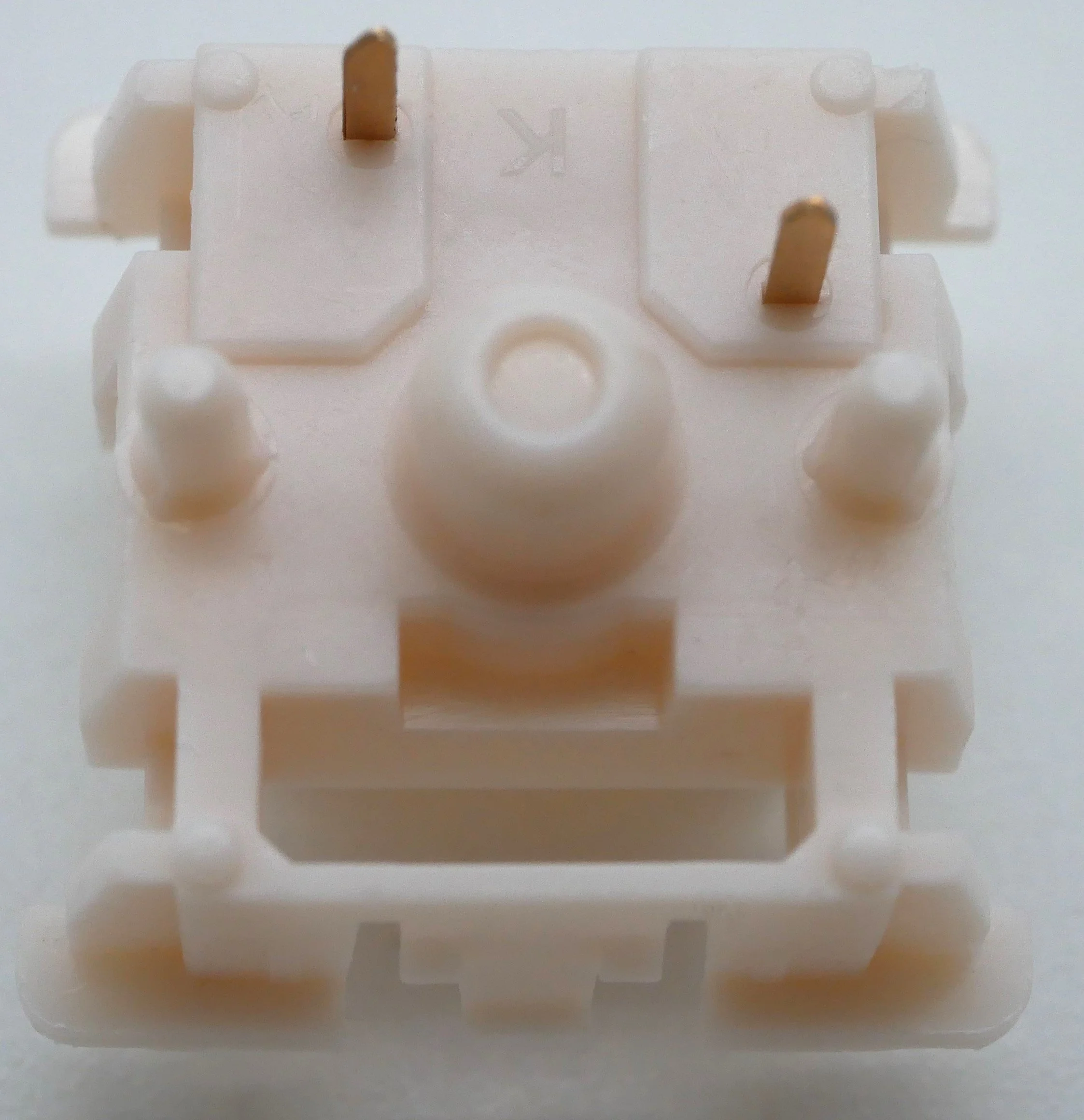
Figure 17: Taro N Sweet Potato V2 bottom housing exterior showing stubby PCB mounting legs and a single, inverted capital letter mold marking between the metal PCB pins.
Push Feel
The Taro N Sweet Potato V2 switches are BSUN-made linears that have a push feeling that I can really only summarize altogether as ‘good’. “Just good”, in fact. As these switches are not going out of their way to try and be super distinctive linear offerings unlike everything else and rather just a solid iteration of a vendor-specific design continuation from the past, it’s not all that surprising that they roll out into the ‘just good’ category. I do recognize that that statement comes across with a tiny bit of a judgy tone, but it really does have more so do to with the fact that these are a reincarnation of switches that were marketed by, emphasized for, and appreciated in majority for their sound profile, not their push feeling. All the way back through the V1 iteration of these switches it has been evident that these were designed with their sound profile in mind first and their push feeling as their second tier concern. So what exactly does this “second tier concern push feeling” actually net? Switches that are smooth, though not overly smooth both across the batch throughout each stroke, a fairly firm, slightly forceful feeling bottom out that prods but doesn’t poke, and a solid, though thinner feeling accessory topping out. The weighting of these switches is one that is not only quite close to their marketing specification, but also feels just a bit on the heavy side of a light linear switch. In turn, this specific weight gives them a very soft, easy going typing experience that certainly won’t bother any users for any length of typing time. (Even if they were writing a long switch review like this one!) And all of those features, might I add, are just quite solidly executed. There’s some degree of switch variability, sure, with those that stand out being slightly more heavily lubed and with a matching sluggish start towards the top end of the stroke, though those are few and far in between. So really it doesn’t feel all that wrong to say that they are “just good” linear switches. The Taro N Sweet Potato V2s aren’t trying to be the smoothest ever linear switch nor are they trying to have some super odd force progression or travel distance; They just hit all of their metrics square on and deliver them well.
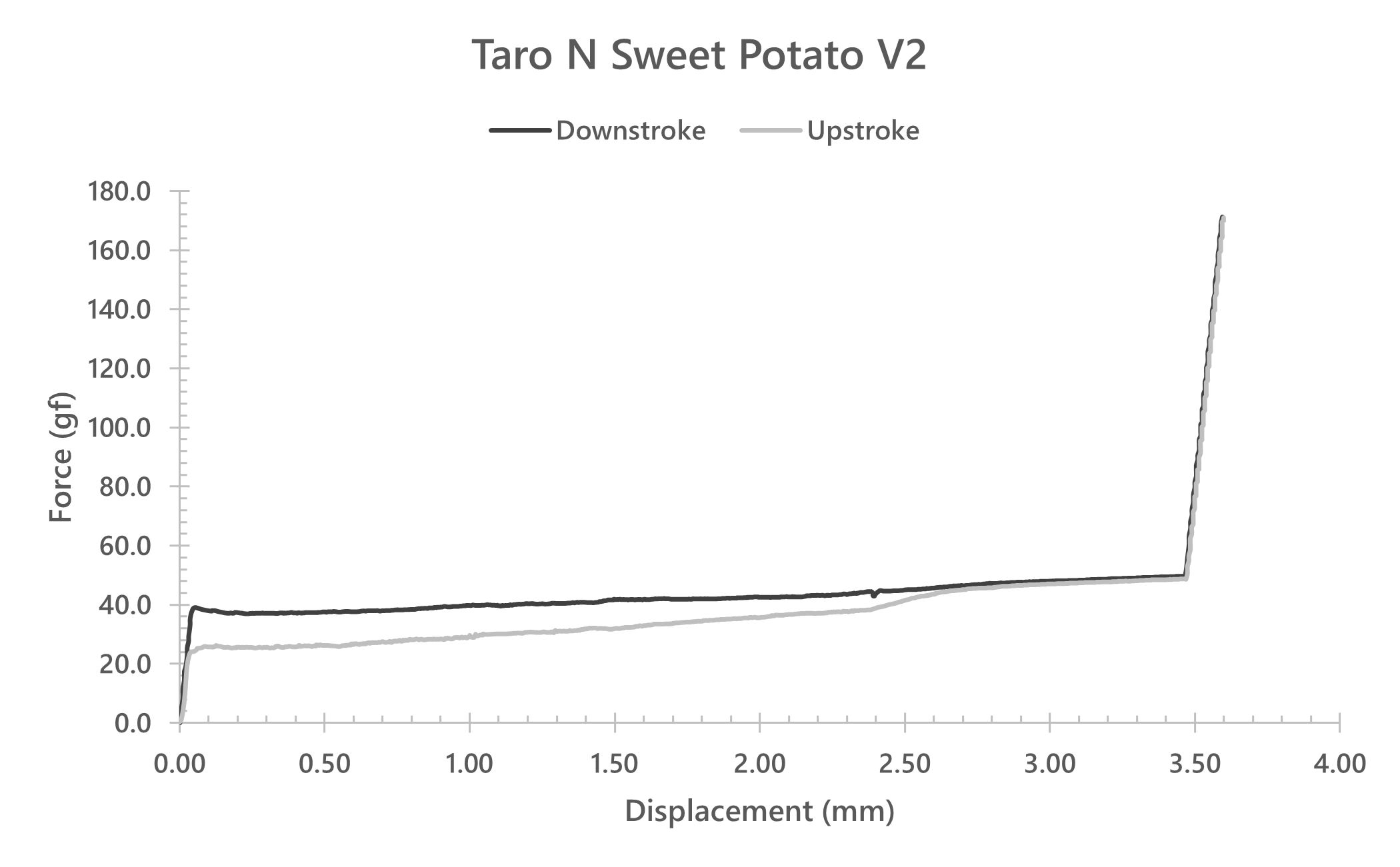
Figure 18: Force curve diagram for the stock Taro N Sweet Potato V2 switch.
Sound
The sound profile of the Taro N Sweet Potato V2 switches, the clear main point of emphasis in their design besides being an improved iteration of the Taro N Sweet Potato V1 switches, is one that by and large driven by the sound of their stem pole bottom out. The 3.4 mm travel distance noted in the force curve above is absolutely no accident here as the tiered LY stem poles colliding with the LY bottom housings produce a sound that is deep, but medium-loud in volume, rich in depth with quite a bit of rounding, and is neither too sharp nor dull. While this bottom out sound can come out a bit soft and underdeveloped in that richness if these switches are not pushed all the way to the bottom with some force, the fact that they feature ~50gf. bottom out springs leads me to believe that there won’t be all that many typists out there that would have trouble firmly and squarely bottoming out these switches to unlock their true sound profile. The topping out, on the other end of the switch, provides a bit of an accessory collision as well, though one that is much weaker, duller, and lower in volume than the bottom out. When considering that this top housing is made of POK rather than the rich, slippery material used in the stem and bottom housings, though, this isn’t all that surprising. Combining this combination of housing collisions with the other positive notes of the sound profile of the Taro N Sweet Potato V2s – their complete lack of spring ping, non-existent scratch, and only slight variation in tone and volume that matches the consistency of their push feeling – these make for very ‘to the point’, clean sounding linear switches. I’m quite impressed with their clean, down the middle execution on this metric, and that’s especially notable coming from me as I’ve never been a fan of aggressive, stem pole bottom outs of switches myself.
Wobble
Present more so in the N/S direction than the E/W direction, the Taro N Sweet Potato V2 switches have a small amount of stem wobble that may be noticeable to some users that are particularly picky about this metric. To the general community at large, and surprisingly undiscerning typists like myself, this degree of wobble won’t matter or make much of a difference at all. Offhandedly, I would say that these are some of the better BSUN-made switches that I’ve formally tried to date when it comes to stem wobble and are overall a bit better than the random average keyboard switch available on the market to date.
Measurements
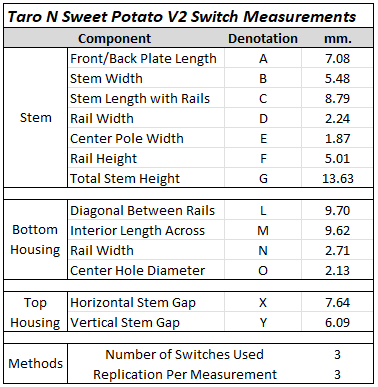
If you’re into this level of detail about your switches, you should know that I have a switch measurement sheet that logs all of this data, as well as many other cool features which can be found under the ‘Archive’ tab at the top of this page or by clicking on the card above. Known as the ‘Measurement Sheet’, this sheet typically gets updated weekly and aims to take physical measurements of various switch components to compare mold designs on a brand-by-brand basis as well as provide a rough frankenswitching estimation sheet for combining various stems and top housings.
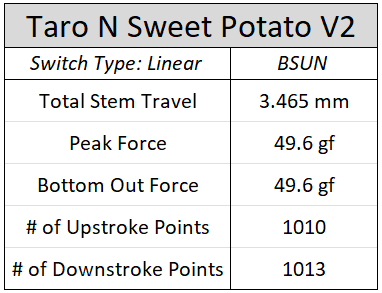
Figure 20: Numerical details regarding the force curve for the stock Taro N Sweet Potato V2 switches.
Have you ever wanted to be bombarded with more switch data than you’ve ever seen at any point in your life before? Consider checking out the ‘Force Curve Repository’ hosted on my GitHub that contains all force curves that I take both within and outside of these full-length reviews. In addition to having these graphs above, I have various other versions of the graphs, raw data, and my processed data all available for over 2000 different switches for you to use however you see fit. Check it out via the ‘Archive’ tab at the top of this page or by clicking any of the force curve cards above.
Break In
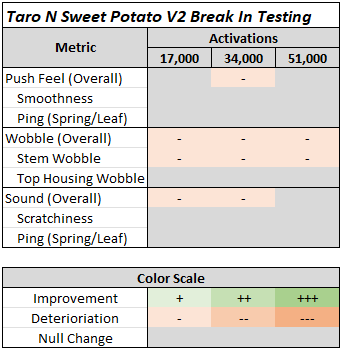
Break In Notes
17,000 Actuations
- After 17,000 actuations, the most notable difference in the performance of the Taro N Sweet Potato V2 switches came in the form of a notable, but not too significant increase in inconsistency of the sound of the switches. Those switches broken in to 17,000 actuations had more instances of bottom outs that sounded a bit squishy and gummy than the stock batch.
- At this point in the break in process, there was also a slight increase in both the N/S and E/W direction stem wobbles. Much to my surprise, though, this slight increase after 17,000 actuations was really the only change noted with respect to stem wobble. The batches that were broken in to 34,000 and 51,000 actuations were no more or less wobbly than the batch broken in to 17,000 actuations.
34,000 Actuations
- At 34,000 actuations, the inconsistency noted in the sound profiles of the Taro N Sweet Potato V2 switches also became obvious in their bottom out push feeling as well. Presumably due to factory lubrication migrating around in the switch throughout the break in process, these switches just don’t as consistently strike with the same firmness and pop that the stock Taro N Sweet Potato V2 switches do.
51,000 Actuations
- Much to my surprise, after 51,000 actuations the noted issues above regarding an increase in inconsistency entirely seem to vanish from the Taro N Sweet Potato V2 switches. While this could very well be just random sampling variation or just a particularly hardy set of switches I broke in to this point, none of the changes as a result of presumed lube migration were all that drastic in the first place meaning they could have been generally transitory at worst. It’s just not often to see those fluctuations on such a relatively short span of usage.
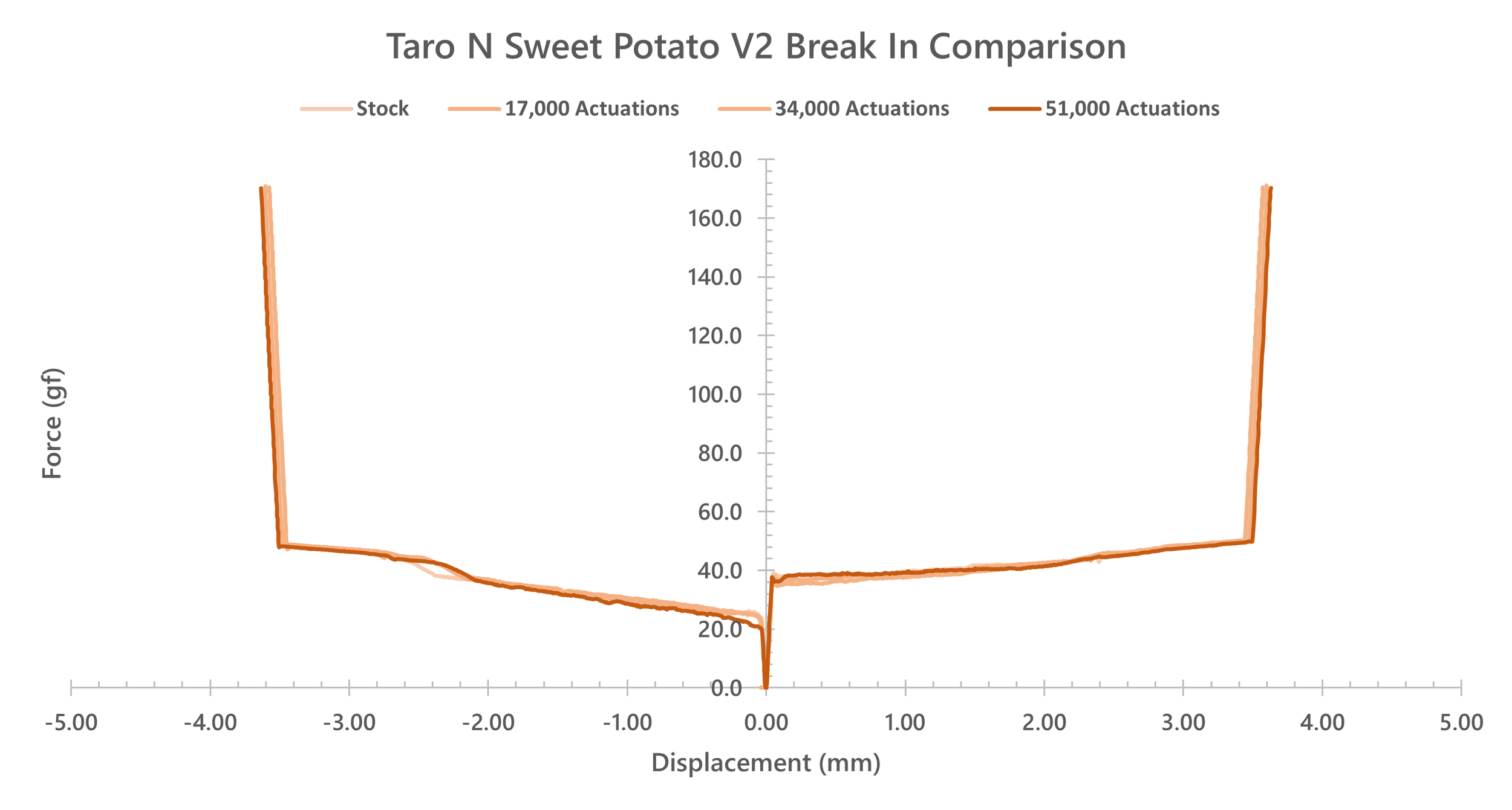
Figure 22: Comparative force curve diagram showing no substantial, consistent change in the force curves of the Taro N Sweet Potato V2 switches throughout the break in process.
Other
While I’m pretty sure the dessert that inspired the Taro N Sweet Potato name and colorway isn’t one that is served over shaved ice, the decorative cup packaging and associated dessert spoon available from Keebz N Cables when purchasing 80 or more switches is one that they first introduced for switches themed around a shaved ice dessert. Whether this technically makes the Taro N Sweet Potato V2 switches part of the “Shaved Ice Family” or some larger, more general “Dessert Family” of switches from Keebz N Cables, it does effectively make them the sixth entry in that group from what I can recall. In addition to the Taro N Sweet Potato V1s, other previous entries include the HMX collaboration Ice Cendol linears, Ice Kachang linears, Ice Kachang Tactiles, and most recently the Icey Ice Mango Berry tactiles that were released alongside the Taro N Sweet Potato V2 switches.
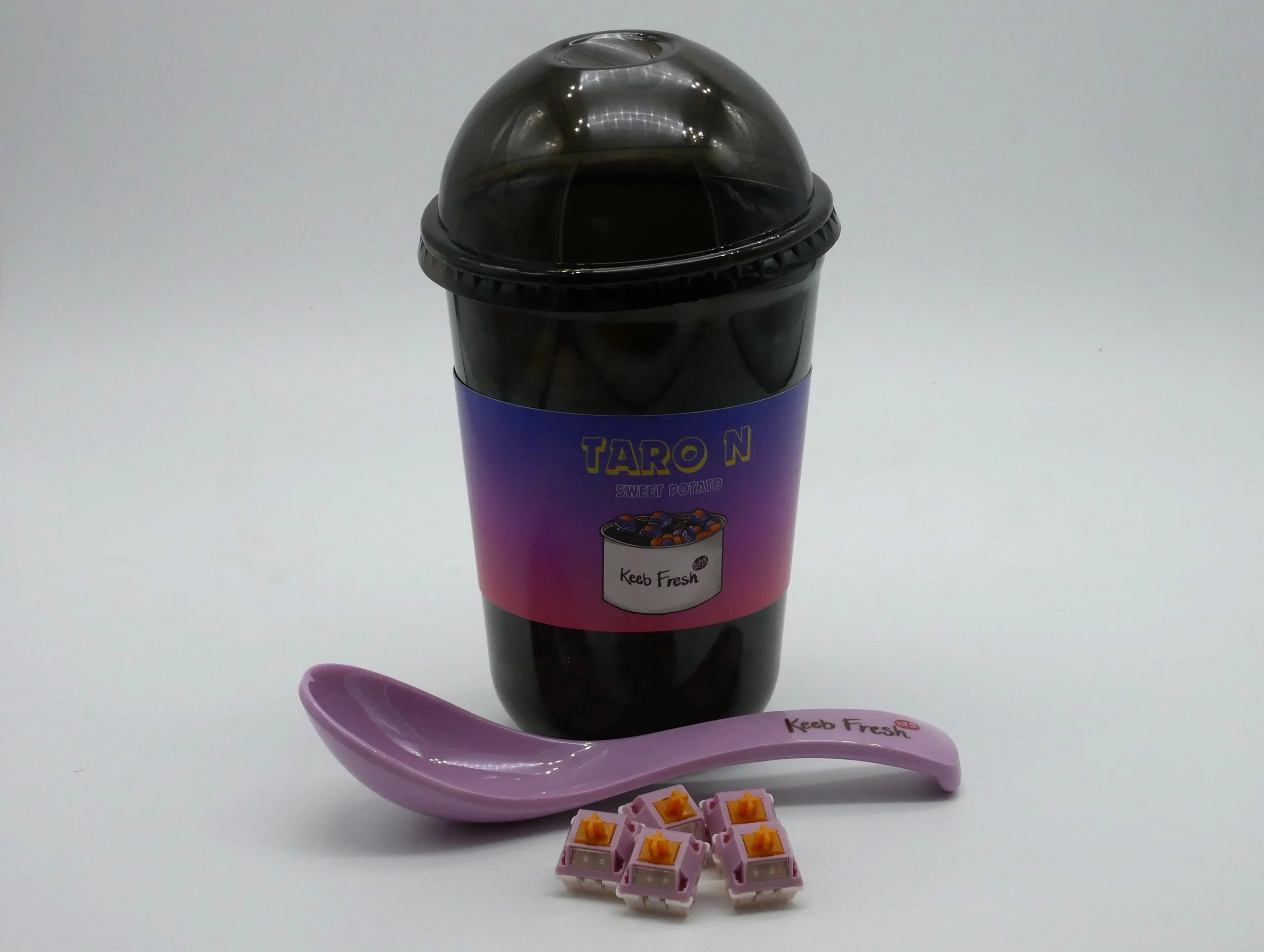
Figure 23: Taro N Sweet Potato V2 packaging with decorative spoon for purchases from Keebz N Cables of 80 or more switches.
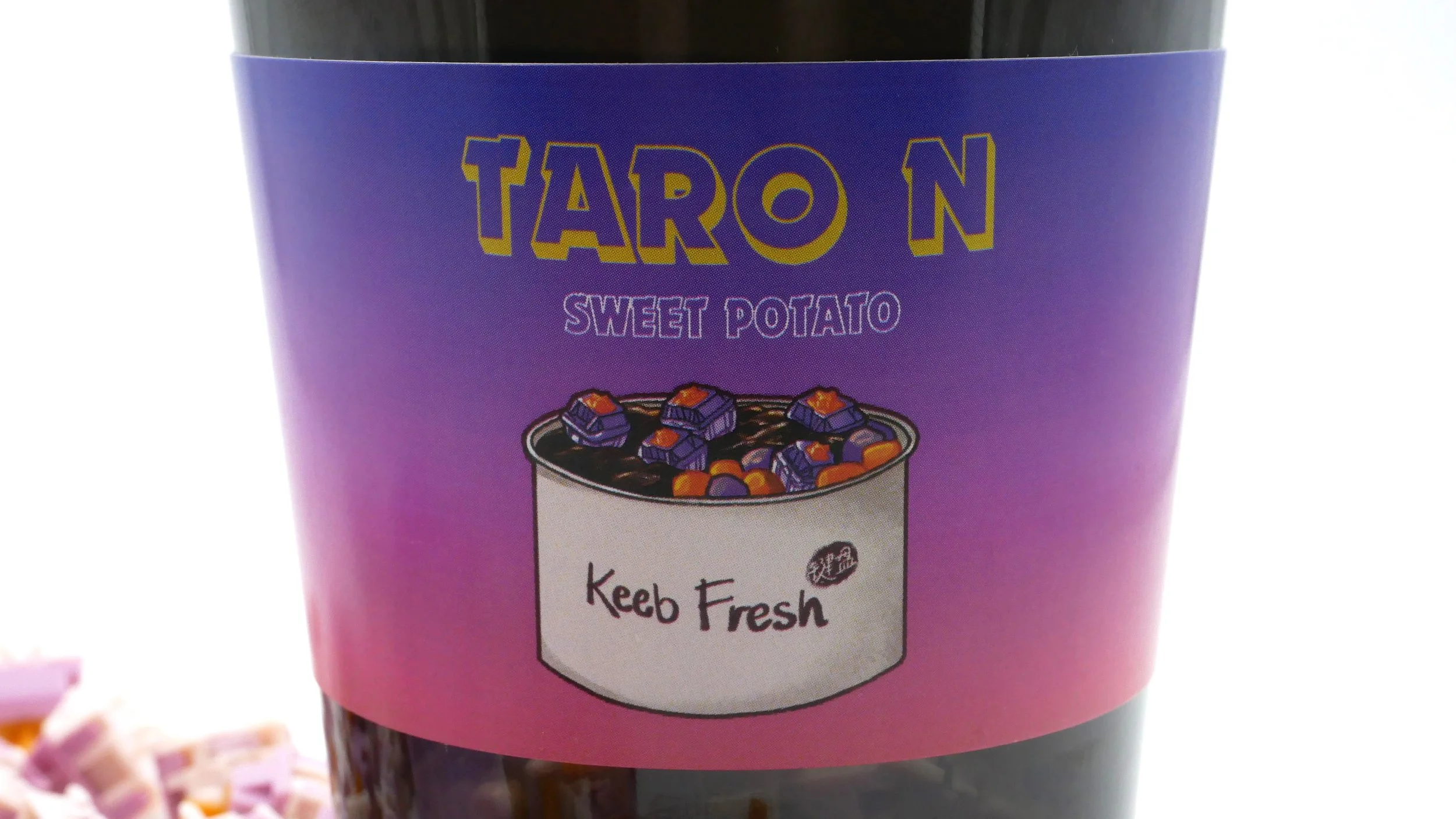
Figure 24: Close up view of the Taro N Sweet Potato V2 decorative packaging label.
Comparison Notes to Other Notable Linear Switches
Note – These are not aimed at being comprehensive comparisons between all factors of these switches as this would simply be too long for this writeup. These are little notes of interest I generated when comparing these switches to the Taro N Sweet Potato V2 switches side by side.
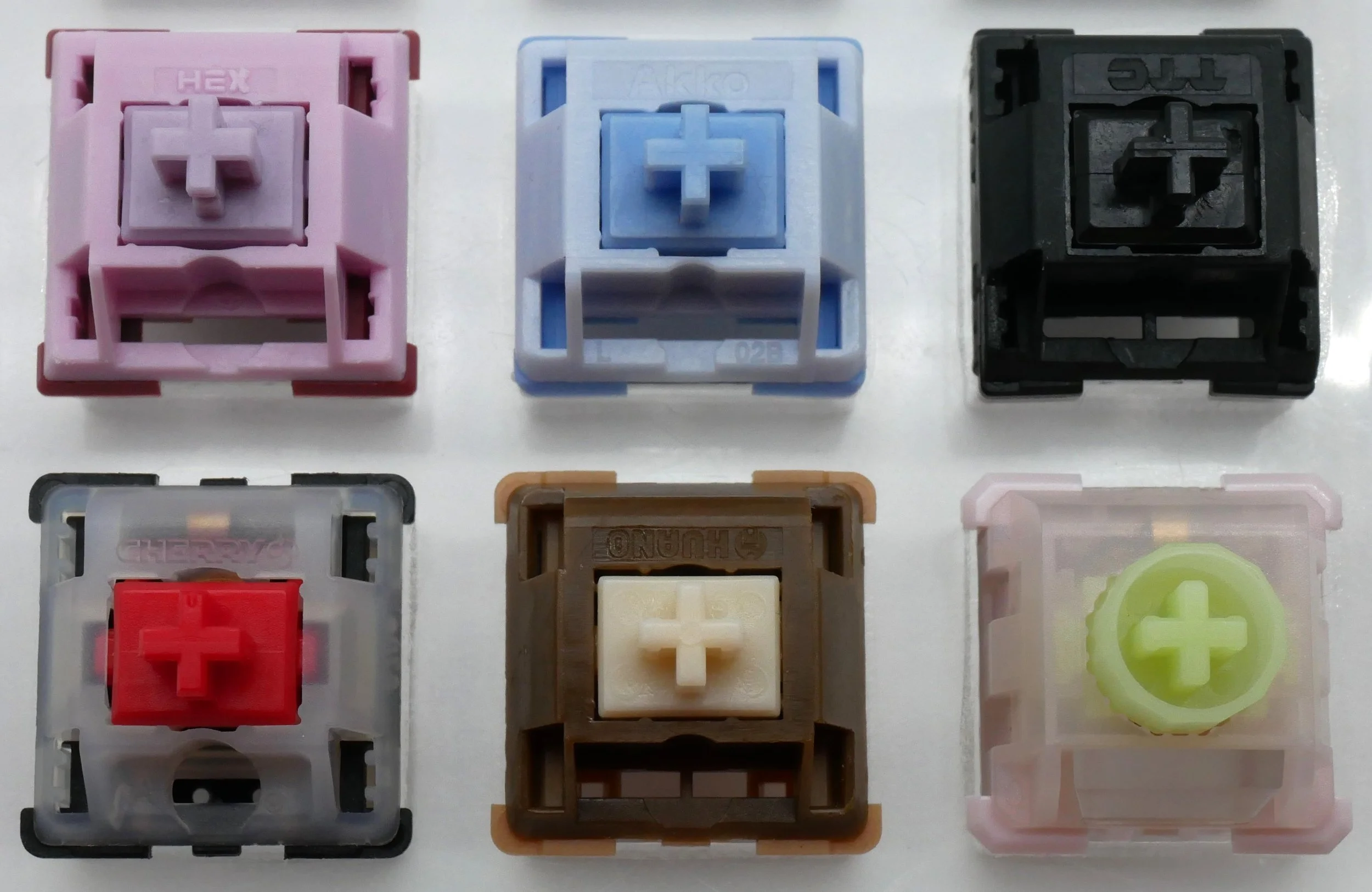
Figure 25: Switches for comparison. (L-R, Top-Bot: Keygeek Muse, Akko Mirror, PantheonKeys x TTC PT Black, Cherry MX Firefinch, Huano Caramel, and WS Biglucky Linear)
Keygeek Muse
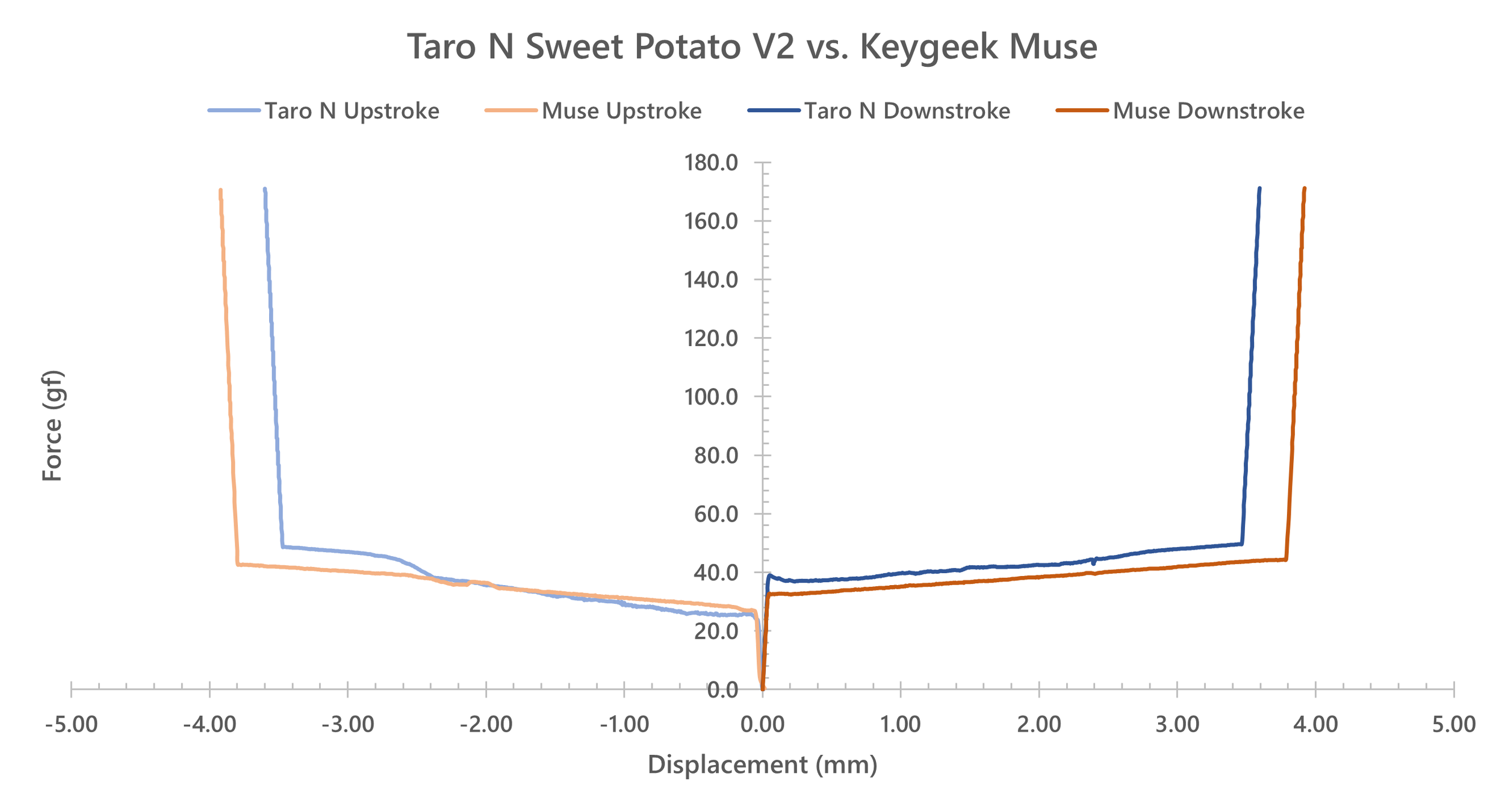
- In a direct head to head comparison, the Keygeek Muse switches are the much more subtle of these two linears. Even though the Taro N Sweet Potato V2 switches are hardly super forceful, pointed long pole switches, they have much more physically and audibly noticeable housing collisions than the softer, more subdued, and more dampened Keygeek Muses.
- The Taro N Sweet Potato V2 switches have a tiny bit less N/S and a fair bit less E/W direction stem wobble than the Keygeek Muse switches.
- While both of these linear switches are definitely smooth, the factory lubing on the Keygeek Muses is much more noticeable, giving them a thicker, more weighted feeling to their stroke despite actually measuring in at a lower spring weight as per the comparative force curve below.
Akko Mirror
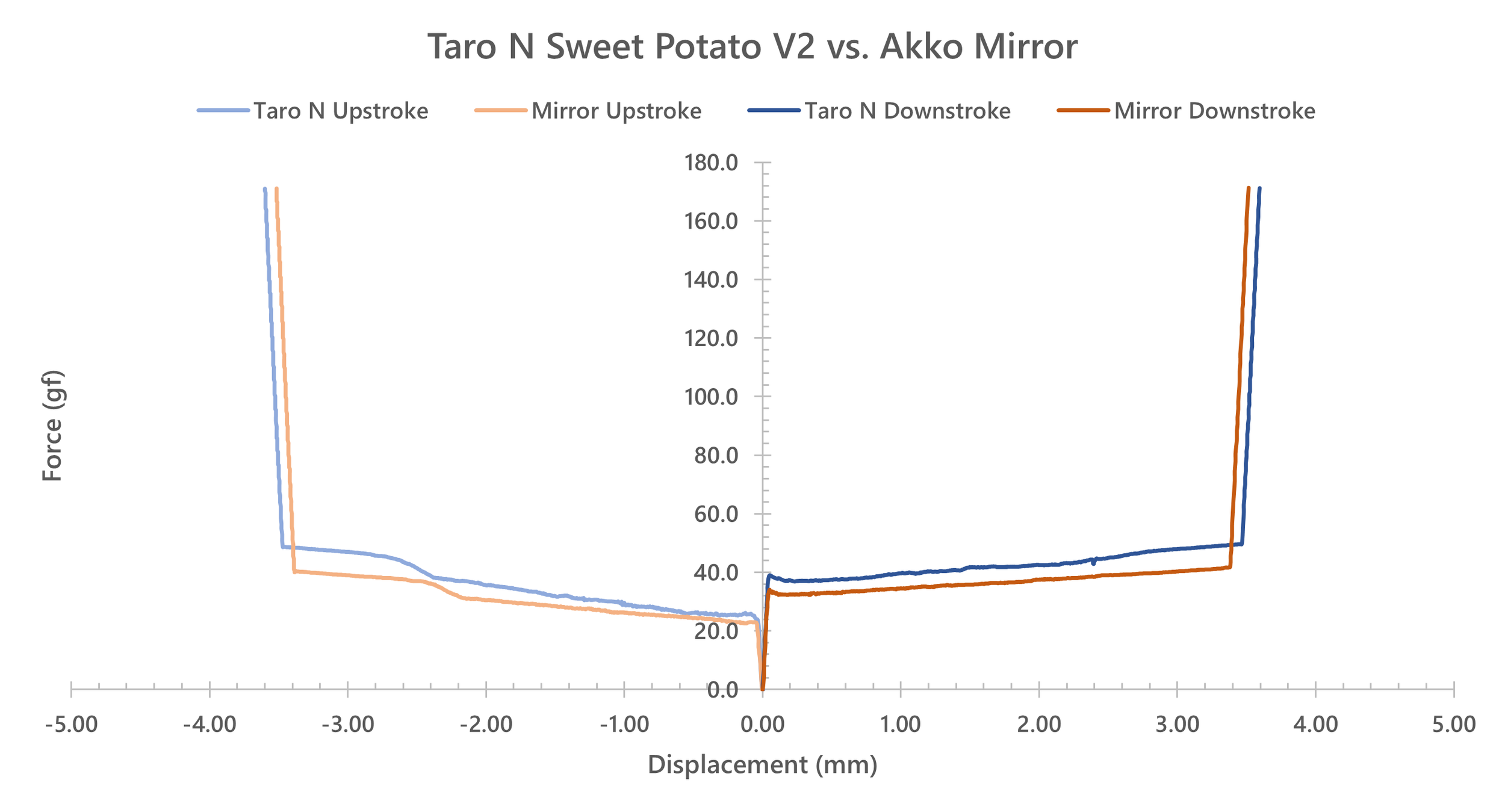
- Of all of the switches on this comparison list, surprisingly the Akko Mirrors are the ones that sound the most like the Taro N Sweet Potato V2 switches at bottom out. Both of these switches carry a medium to medium-loud sounding bottom out that is flat, rounded, and somewhat aggressive and jumps out at the user, though the Akko Mirrors are slightly higher pitched and sharper sounding than the Taro N Sweet Potato V2s.
- Despite what the comparative force curve below would suggest, it does feel as if the Akko Mirror switches have a downstroke that goes much further into their housings than that of the Taro N Sweet Potato V2s. If I had to guess without knowing the values ahead of time, when comparing the Akko Mirrors to the known total stem travel distance of 3.4 mm, I would have guessed the Mirrors were significantly closer to a full 4.0 mm downstroke.
- The Taro N Sweet Potato V2 switches have more N/S and E/W direction stem wobble than the Akko Mirror switches.
PantheonKeys x TTC PT Black
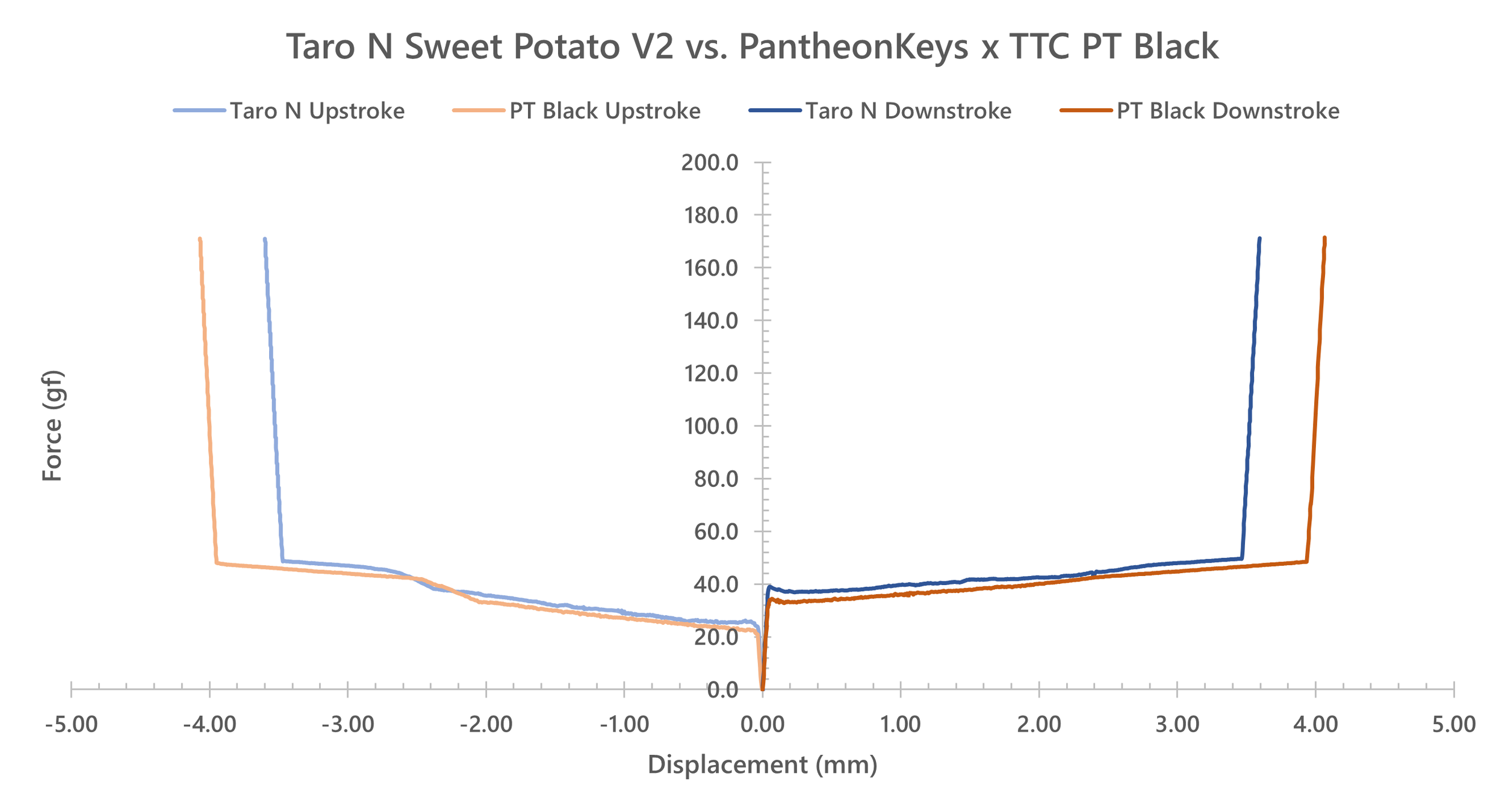
- While the Taro N Sweet Potato V2 switches have a much more singular, defined, and crisp sound than the PantheonKeys x TTC PT Black switches in their stock form, these switches are fairly similar to one another in terms of their overall volume.
- There is less stem wobble in the BSUN-made Taro N Sweet Potato V2 switches than there is in the TTC-made PT Black switches.
- Comparing their stock versions against one another, the PT Black switches are definitely the less smooth and/or more scratchy of these two linears. However, I know from firsthand experience that the potential upside in the PT Blacks with a bit of love and aftermarket care can likely greatly exceed the Taro N Sweet Potato V2 switches’ smoothness.
Cherry MX Firefinch
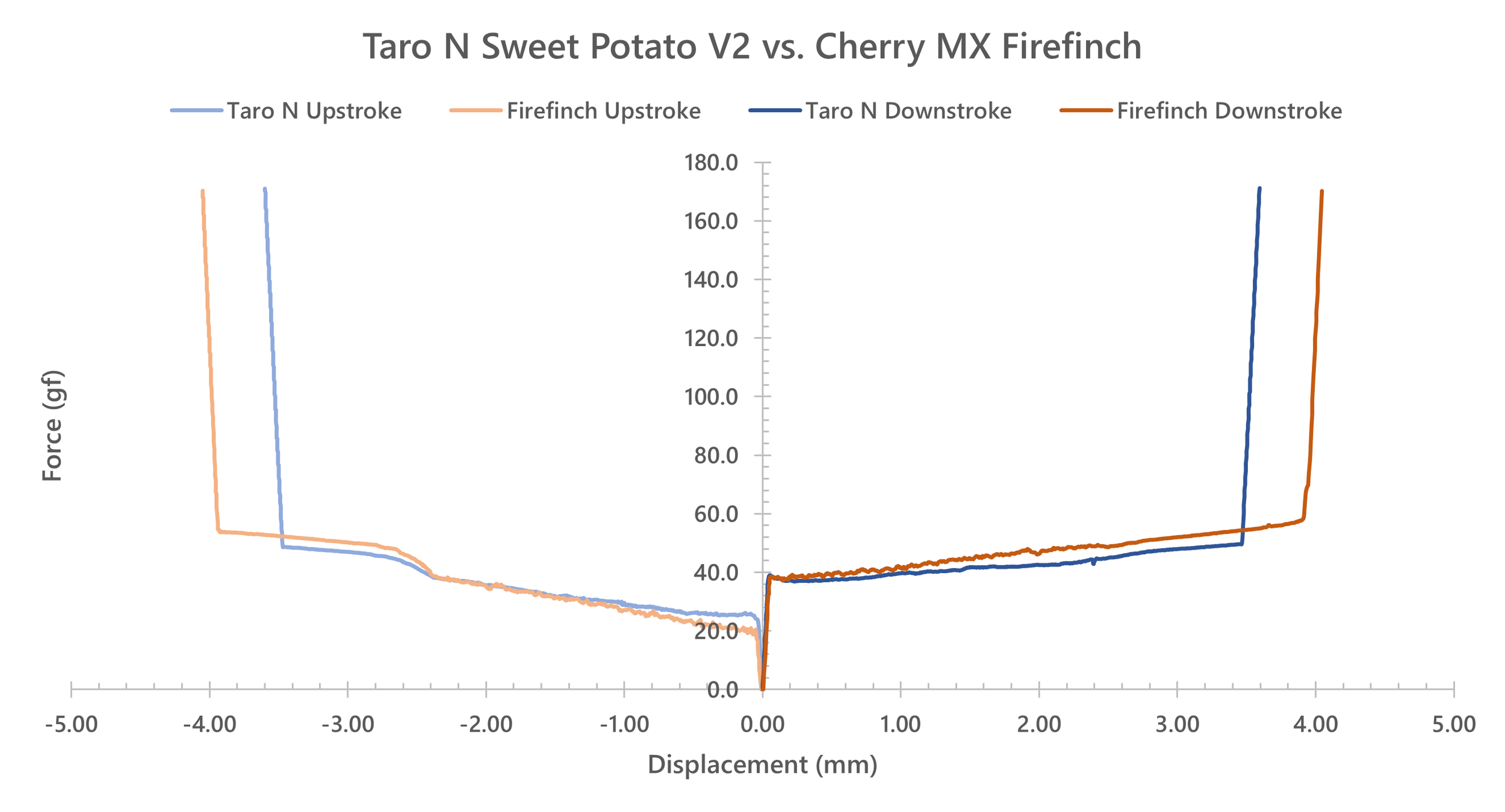
- Of these two switches, the BSUN-made Taro N Sweet Potato V2 switches are far and away the smoother, featuring not only better factory lube application within each switch but a more consistent application to each switch across the batch that I received.
- There is a bit less N/S and E/W direction stem wobble in the Taro N Sweet Potato V2 switches than the Cherry MX Firefinches, even in spite of the Firefinches being designed on Cherry’s newer MX2A platform which is reported to have tighter, more refined tolerances.
- The housing collisions – both topping and bottoming out – of the Firefinch switches is much more loud, higher pitched, sandy, and just all around chaotic sounding than the clean, singular, and consistent slap of the Taro N Sweet Potato V2 switches.
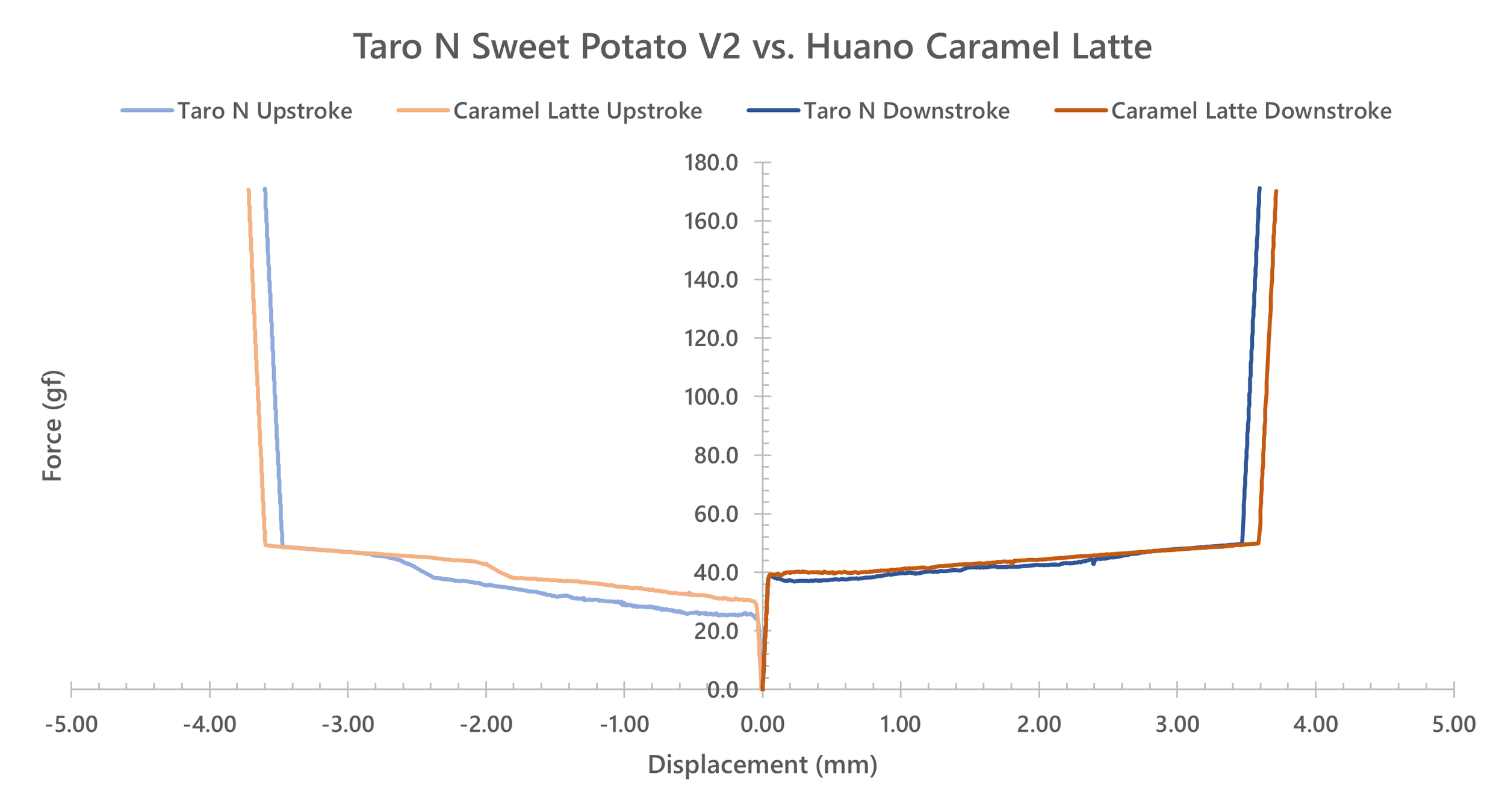
Huano Caramel Latte
- While these two switches have comparable E/W direction stem wobble, the Taro N Sweet Potato V2 switches have ever so slightly lesser N/S direction stem wobble than the Huano Caramel Latte switches.
- Of all of the switches on this comparison list, the Huano Caramel Latte switches are the only ones which have a thicker, more substantial feeling factory lube application to them than the Taro N Sweet Potato V2 switches. This is especially surprising to feel in hand when looking at the comparative force curve for these two switches below where they basically seem to have the same force progression and slope throughout their strokes.
- As a result of the strong factory lubing on the Huano Caramel Latte switches, they are all around much more quieter, subdued, and bassy of a switch than the Taro N Sweet Potato V2 switches. That doesn’t necessarily make them better or worse, rather that they are both very clearly trying to fulfill opposite ends of the linear switch sound spectrum.
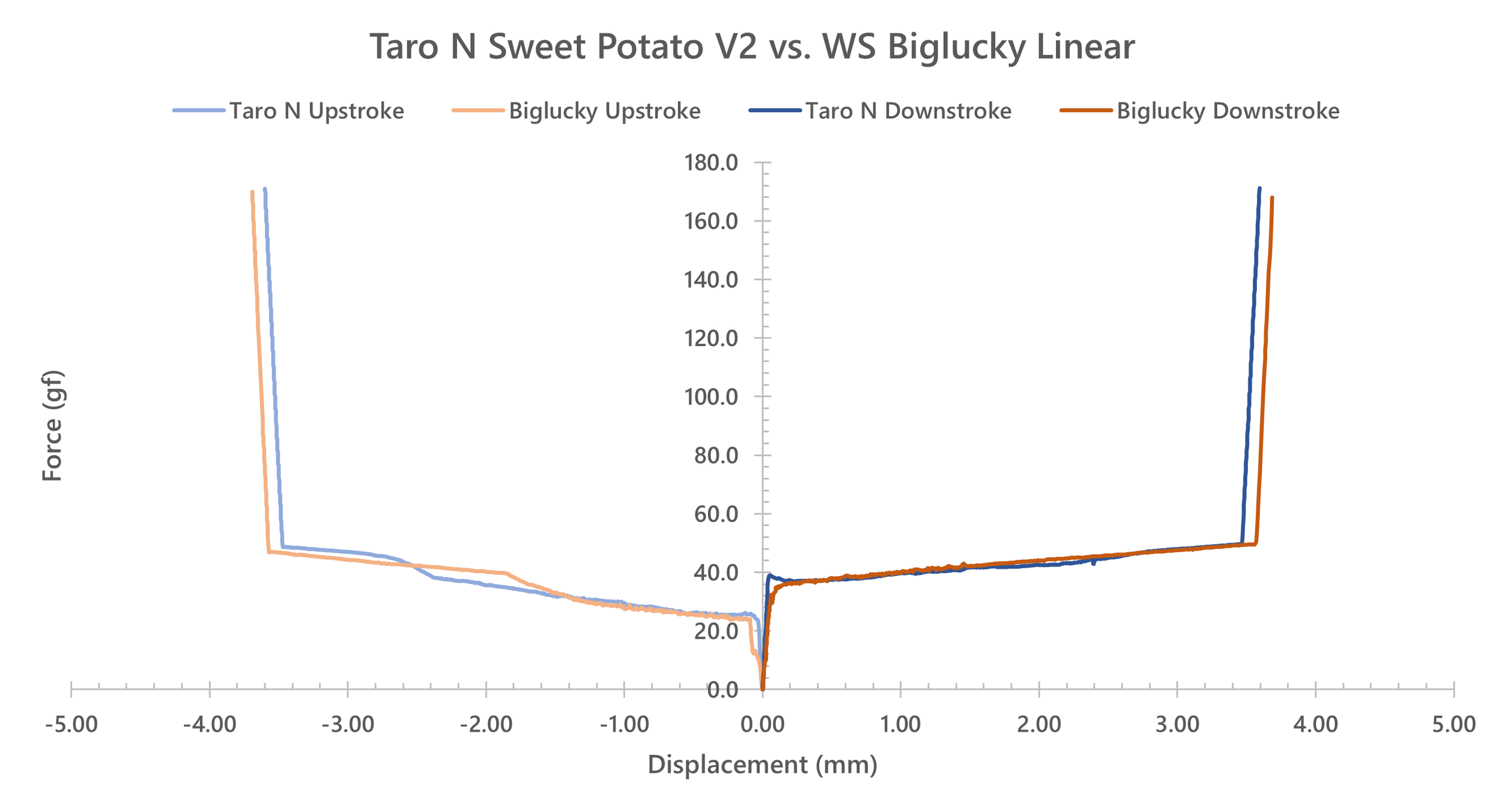
WS Biglucky Linear
- Both the WS Biglucky Linears and Taro N Sweet Potato V2 switches were designed around their strong stem pole bottom out, though the Biglucky switches have a bottom out that is just more pushy, crisp, and forceful feeling and sounding than the Taro N Sweet Potato V2s. (To my personal distaste, in fact, the Biglucky linears are definitely way too far into that aggressive stem pole bottom out vibe that I just don’t like in switches whereas the Taro N Sweet Potato V2s are just barely toeing that line of personal preference for me.)
- Despite there not being much less room to go, the WS Biglucky linears happen to have significantly less N/S and E/W direction stem wobble than the already quite better than average Taro N Sweet Potato V2 switches.
- While both of these switches are comparably smooth to one another, the factory lubing on the Taro N Sweet Potato V2 switches is just ever so slightly more thick and rich feeling, giving them a bit more of a texture and depth to their stroke than the Biglucky Linears.
Bonus Round
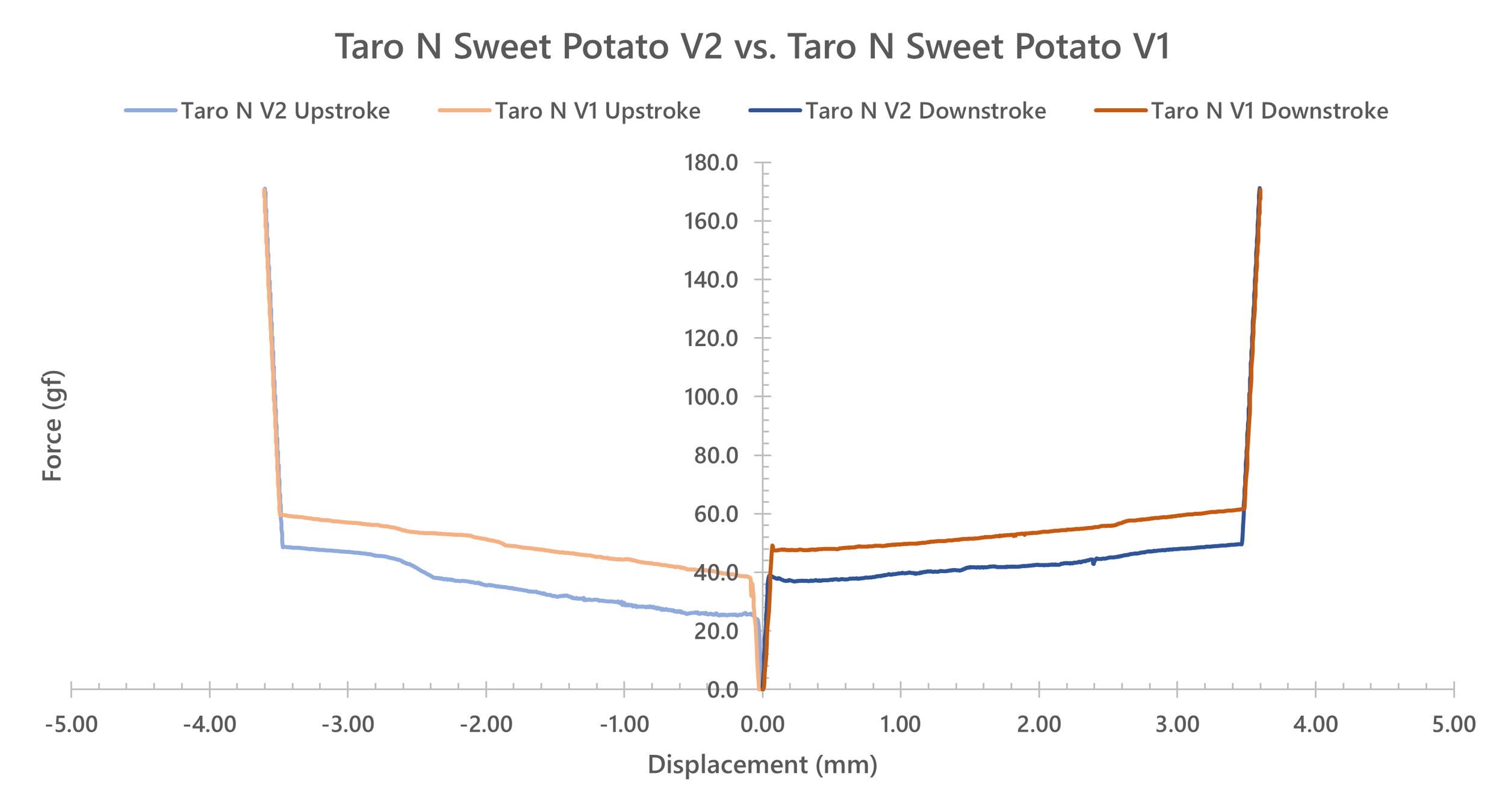
How could I possibly review the V2 of a switch without having at least done a comparison in that review to the V1 predecessor that led to its creation? What kind of animal do you take me for?
Taro N Sweet Potato V1
- The Taro N Sweet Potato V2 switches are surprisingly faithful recreations of the V1 switches, both sounding and feeling very similar to the originals. One of the more notable differences between the two, though, is that the bottom outs of the V2s are just a tiny bit more consistent, firm, and substantial sounding. It’s like they perfectly managed to turn up their bottom out intensity by just 10% more if I had to put a number to it.
- As would be expected from a manufacturer continuing to improve over time, the V2 switches have ever so slightly less stem wobble than their V1 counterparts.
- The factory lubing on the Taro N Sweet Potato V2 switches is also ever so slightly thicker and more viscous feeling than that of the V1 switches. While this doesn’t cause them to significantly feel all that heavier in hand, it does give them a little bit more of firm, solid feeling than their V1 predecessors.
Linearity
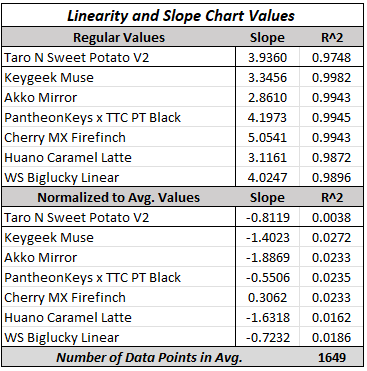
Figure 33: Absolute and relative Linearity and Slope values for each switch in the main comparison section.
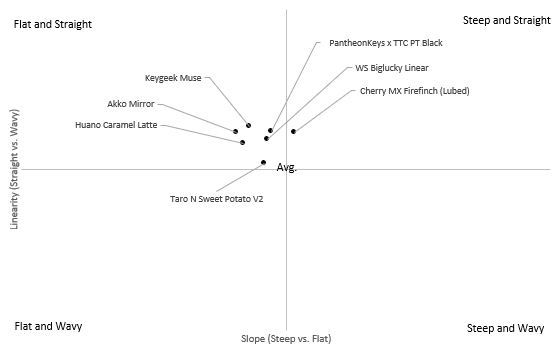
Figure 34: Qualitative comparison of the normalized Slope and Linearity for each switch in this comparison section.
If you are just now seeing this section for the first time and are a bit confused as to what I am talking about when discussing ‘Slope’ and ‘Linearity’, I highly suggest checking out my article titled ‘On Differences in Linear Switches’ where I explain what this section is for and how it came to be! For a bit of a shorter answer, know that this is part of my ongoing attempt to better quantify and articulate differences between linear switches which have historically not been captured in discussions about them.
Scores and Statistics
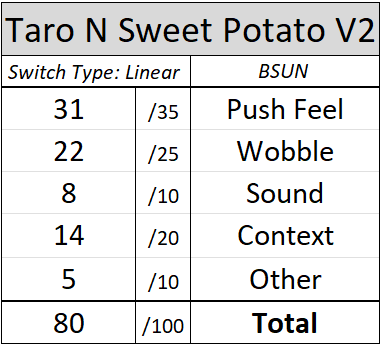
Note – These scores are not necessarily completely indicative of the nuanced review above. If you’ve skipped straight to this section, I can only recommend that you at least glance at the other sections above in order to get a stronger idea of my opinion about these switches.
Push Feel
Building upon the success of the their V1 predecessors, the Taro N Sweet Potato V2s are BSUN-made linears with LY stems and bottom housings that collide to make a firm, flat feeling bottom out that is noticeable but not overly aggressive at the tail end of a ~50 gf. stroke. While the topping out onto POK top housings isn’t as firm or solid, it hardly detracts from the bottom out at all. Overall the switches are incredibly well lubed and consistently so across the batch that I received, having only minor variations that cause some switches to feel different from others.
Wobble
Present more so in the N/S direction than the E/W direction, the Taro N Sweet Potato V2 switches have little enough stem wobble as to likely not have to bother most users.
Sound
The sound profile of the Taro N Sweet Potato V2 switches is one that is clear, crisp, and very singularly their bottom out sound. Popping with a roundedness and depth that doesn’t make them sound sharp or pointy, they still carry enough volume and presence to be the clear driving force of these switches. Paired up with no sounds from scratch or ping as a result of their factory lubing and an, at best, softer accessory topping out that is a bit thinner and less full feeling, these are great examples of how to make stem pole bottom out switches that aren’t super aggressive.
Context
Priced around $0.50 per switch depending on where they are purchased from, as a continuation of a multi-year line of dessert themed releases from Keebz N Cables these have a lot of the support that most switches could only dream of. As a result of their continual renewal and improvement of these releases, though, these V2 versions do likely have a limited shelf life.
Other
Despite being clean, well-executed, and consistent linears for their price, they also don’t take much risk nor have as much of a unique characteristic twist as other switches this notable.
Statistics
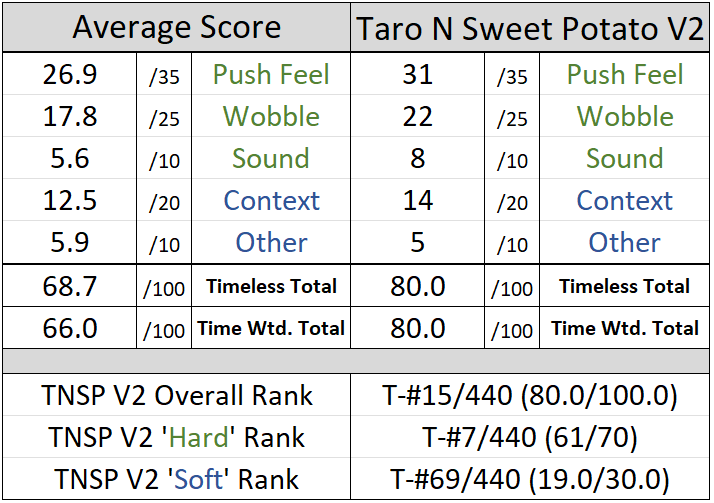
If you are looking at this statistics section and wondering what the heck ‘Timeless’ and ‘Time Weighted’ scoring is, consider checking out my short article titled ‘A Scorecard Time Change’. As a result of scoring becoming a bit anachronistic over the years, switches are now ranked in this statistics table using a “time weighted total” as opposed to their day-of scoring as discussed in that article. If you’d also like to learn about what ‘hard’ versus ‘soft’ ranks refer to specifically, I’d encourage you to head on over to my GitHub linked in the table above or at the links in the top right hand of this website to check out my database of scorecards as well as the ‘Composite Score Sheet’ which has a full listing of the rankings for each and every switch I’ve ranked thus far.
Final Conclusions
What can I really say about the Taro N Sweet Potato V2 switches that wasn’t covered in the couple thousand or so words above these final ones? These BSUN-made long stem pole linears are extremely clean, consistent, and well-polished switches that pack in a whole lot sunny spots and not a lot of shade into a middle of the road, roughly $0.50 per switch price point. As a V2 of an incredibly popular offering from late 2024/early 2025 and a continuation of a line of dessert-themed switches from a well established and respected vendor like Keebz N Cables, they have almost all of the details that a modern day, front page linear offering could hope for. Yes, there are finer details that could be better with these switches – small bits of stem wobble to shore up here, some inconsistencies in bottom out feeling and sound there, and maybe even some weird breaking in behavior – but they are by and large just good switches with great execution. Even my messy background section surrounding the origin of Keynation and the potential close familial ties that the Taro N Sweet Potato V2 switches may share with other notable big hitters in this space can’t do much to tarnish how clean these are contextually and in a vacuum with their performance. You should absolutely buy these if you’re wanting solid performing, consistently lubed, and generally well designed stem pole bottom out linears that aren’t overly aggressive nor fatiguing. However, perhaps one of the tiniest of issues that I could have with these switches is that they are perhaps just a bit too clean! Switches that take risks, have unique characteristics and corresponding flaws with them, and really pitch something that aims to stand out from the rest of the community are the ones that get more attention than they deserve at times – both from me and from the community at large. The Taro N Sweet Potato V2 switches aren’t those. And while perhaps Keebz N Cables or Keynation deciding to take those swings and risks would have not made these switches as straightforward and well done as I have praised them for, maybe it would have made them stand out just that tiny bit more in one super defining way. (As if they actually need more awareness given what Keebz N Cables has said about how their V1 counterparts sold last year…) Maybe that exceedingly small quip is just in my head though. There’s nothing wrong with a simple, down the middle linear offering that hits a well established trope cleanly in stride and at a solid price point like the Taro N Sweet Potato V2 switches have definitely managed to do.
Sponsors/Affiliates
Mechbox UK
- A wonderful UK based operation which sells singles to switches that I’ve used above in my comparisons for collectors and the curious alike. Matt has gone out of his way to help me build out big parts of my collection, and buying something using this link supports him as well as my content!
proto[Typist] Keyboards
- An all-things keyboard vendor based out of the UK, proto[Typist] is a regular stocker of everything from switches to the latest keyboard and keycap groupbuys. While I’ve bought things from the many times in the past, they also are a sponsor of my work and allow me to get some of the great switches I write about!
Divinikey
- Not only do they stock just about everything related to keyboards and switches, but they’re super friendly and ship out pretty quick too. Divinikey has been a huge help to me and my builds over the last year or two of doing reviews and they’ll definitely hook you up. Use code ‘GOAT’ for 5% off your order when you check them out!
ZealPC
- Do they really need any introduction? Zeal and crew kicked off the custom switch scene many years ago with their iconic Zealios switches and the story of switches today couldn’t be told without them. Use code ‘GOAT’ (or click the link above) for 5% off your order when you check them out!
MechMods UK
- A rising vendor based in the UK, Ryan and crew have been a pleasure to work with and have nearly everything you’d need to build your first or fourteenth keyboard. Go build your latest or greatest one right now with them by using code ‘GOAT’ at checkout for a 5% discount!
Dangkeebs
- A longtime supporter of the website and the collection, Dangkeebs has quite possibly the widest variety of switches of any vendor out there. Not only is their switch selection large, but it rotates and is constantly adding new stuff too. You’re going to need 5% off your order with my affiliate to save off the cost of all those switches!
SwitchOddities
- The brainchild of one my most adventurous proxies, SwitchOddities is a place where you can try out all the fancy, strange, and eastern-exclusive switches that I flex on my maildays with. Follow my affiliate code and use code ‘GOAT’ at checkout to save 5% on some of the most interesting switches you’ll ever try!
Cannonkeys
- Does anybody not know of Cannonkeys at this point? One of the largest vendors in North America with keyboards, switches, keycaps, and literally everything you could ever want for a keyboard always in stock and with an incredibly dedicated and loving crew. Follow my affiliate link above in their name to support both them and I when you buy yourself some switches!
Kinetic Labs
- One of the most well-rounded keyboard vendors out there, Christian and crew have been supporters of all my switch and switch-adjacent needs for some years now. I’m honored to have them as an affiliate and think you should check them out using my affiliate link above to support both them and I when you check out their awesome products!
Keebhut
- Want to try out some switch brands that fly under most vendor’s radars? Keebhut is always seeking out that next latest and greatest and has been super helpful in hooking me up with new brands over the past year. They are all about sharing that love as well, and want to give you 5% off your next order with them when you use code ‘GOAT’ at checkout!
Kailh
- No, you’re not mistaken – this is actually that Kailh that manufactures switches. As one of the longest running manufacturers in the hobby, they have a massive variety of switches available over on their website at any point in time. I’m lucky to be affiliated with them now, and so consider using my affiliate link above when ordering some Kailh switches to support me!
Keebz N Cables
- Australia and Oceania’s very own is now a part of the sponsor list here and I couldn’t be happier to add this long time supporter of the collection to it. They’ve always got an amazing selection of switches (and other keyboard parts) in stock and they want to share the love that they’ve shown me with you all too! Use code ‘thegoat’ for 5% off your first order when you visit!
Further Reading
Keebz N Cables’ Taro N Sweet Potato V2 Sales Page
Bowl Keyboards’ Taro N Sweet Potato V2 Sales Page
Keybay’s Taro N Sweet Potato V2 Sales Page
SerpentKeys’ Taro N Sweet Potato V2 Sales Page
MonacoKeys’ Taro N Sweet Potato V2 Sales Page
Qwertyqop’s Taro N Sweet Potato V2 Sales Page
Keynation’s ZFrontier Debut Post
Click and Thock’s Keebz N Cables Taro N Sweet Potato V2 Review